






What's Happening?
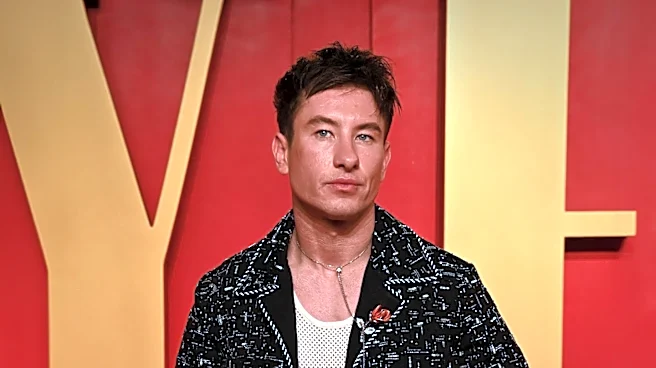
Irish actor Barry Keoghan has undergone a non-invasive, high-tech XERF skin-tightening treatment, costing approximately $6,000. This procedure, which is designed to lift and firm the face without surgery or injections, was revealed by celebrity skin specialist
Nilam Holmes in an Instagram video. Keoghan, known for his roles in 'Dunkirk' and 'Saltburn,' stated that he feels 'better about myself' and 'looks better' after the treatment. The actor has previously spoken about the significant online abuse he received regarding his appearance, which led him to feel reluctant to attend public places and even caused him to delete his social media accounts. The XERF treatment, originating from South Korea, uses monopolar radiofrequency to deliver thermal energy deep into the skin, stimulating collagen production and improving skin texture. It requires no downtime, and results can last up to a year. Keoghan's decision to undergo the procedure comes after months of public scrutiny and speculation about changes to his facial features.
Why It's Important?
This development highlights the increasing pressure on public figures, particularly actors, to maintain a certain aesthetic standard, often fueled by intense online scrutiny and social media commentary. Keoghan's experience underscores the psychological impact of such criticism, leading individuals to seek cosmetic interventions for personal well-being and professional confidence. The adoption of non-invasive procedures like XERF by celebrities can influence broader beauty trends, potentially increasing demand for similar treatments among the general public. This trend also reflects a shift in the cosmetic industry towards less invasive, quicker recovery options, making aesthetic enhancements more accessible and socially acceptable. The financial investment in such procedures, as seen with Keoghan's $6,000 treatment, also points to the growing market for high-end cosmetic services and the perceived value of a 'youthful' or 'improved' appearance in competitive industries like entertainment.
What's Next?
Following his cosmetic procedure, Barry Keoghan is preparing for his role as Ringo Starr in an upcoming Beatles biopic. His public revelation about the XERF treatment may lead to increased discussion about celebrity beauty standards and the role of social media in shaping public perception. It could also prompt more public figures to openly discuss their experiences with cosmetic procedures, potentially destigmatizing such interventions. The visibility of non-invasive treatments like XERF, endorsed by celebrities, is likely to drive further interest and adoption among consumers seeking similar results without the risks and recovery time associated with traditional surgery. The cosmetic industry may see a surge in demand for these advanced, non-surgical options, leading to further innovation and accessibility in aesthetic medicine.
Beyond the Headlines
Beyond the immediate news, Keoghan's story touches upon deeper societal issues concerning body image, mental health, and the pervasive influence of online culture. The 'abuse' he experienced online reflects a broader problem of cyberbullying and the often-unregulated nature of digital commentary, which can have severe real-world consequences for individuals. His decision to undergo a cosmetic procedure, while personal, also speaks to the evolving definition of self-care and the lengths to which individuals may go to align their external appearance with internal feelings of confidence and well-being. This situation also raises questions about the ethical responsibilities of social media platforms in moderating harmful content and protecting users from relentless personal attacks. The increasing normalization of cosmetic enhancements, even non-invasive ones, could also contribute to new pressures on individuals to conform to idealized beauty standards, potentially impacting self-esteem and mental health across wider demographics.