
What's Happening?
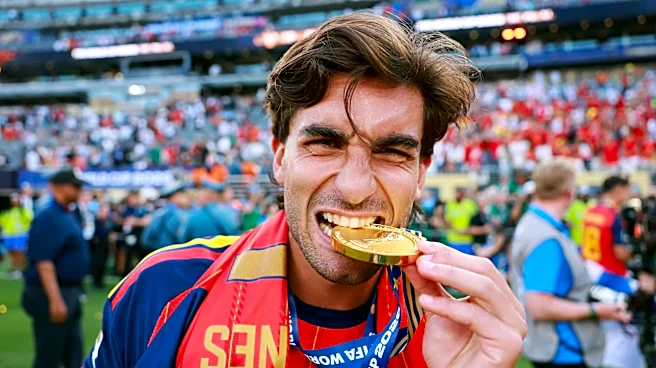
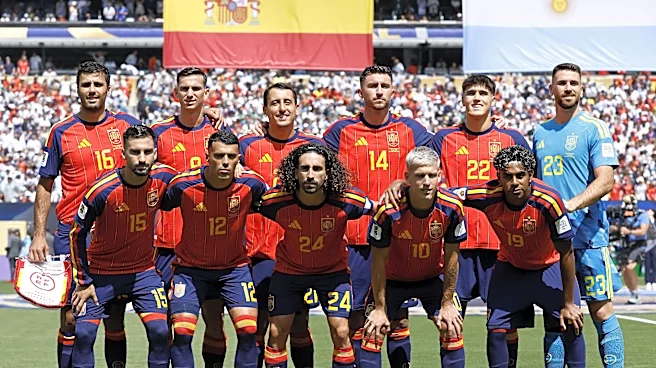
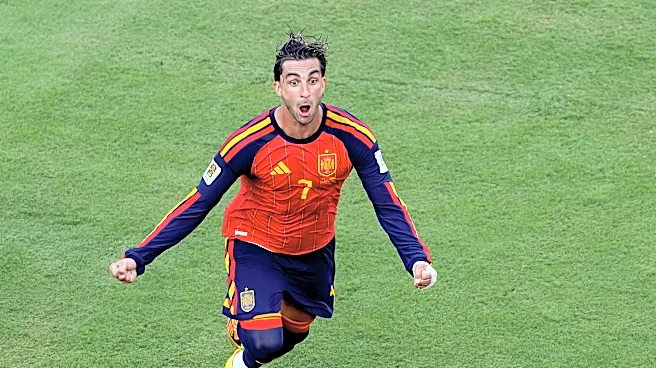
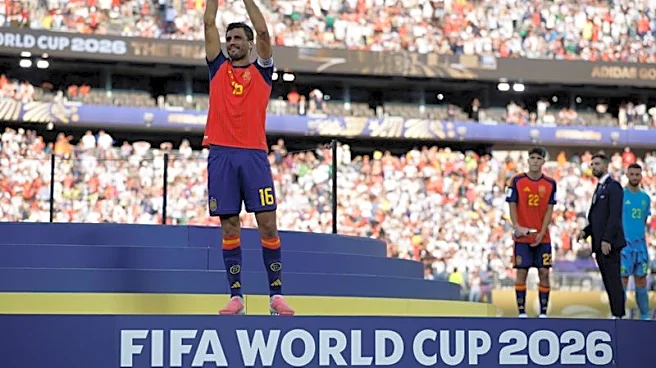
Following Spain's triumph in the 2026 FIFA World Cup, the focus has shifted to the Ballon d'Or, football's most prestigious individual award. The ceremony is set to take place on October 26 in London, where top players from around the world will gather.
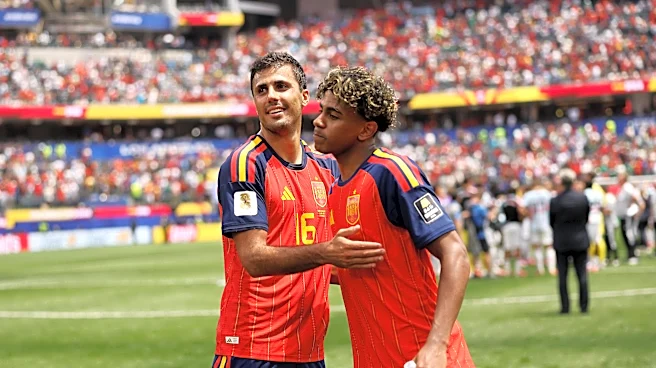
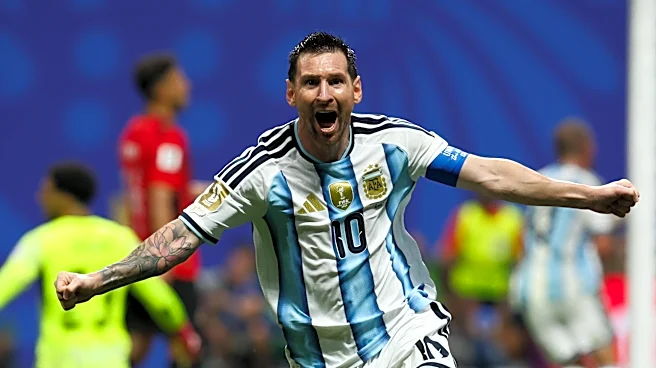
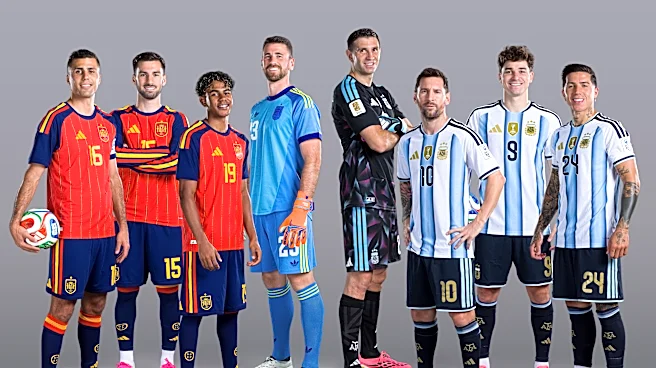
This year's competition is particularly fierce, with no clear frontrunner. Key contenders include Fabián Ruiz, who played a pivotal role in both PSG's UEFA Champions League victory and Spain's World Cup win, and Rodri, who was instrumental in Spain's midfield and earned the Golden Ball for his World Cup performance. Other notable candidates are Erling Haaland, Jude Bellingham, and Lionel Messi, each having made significant contributions to their respective teams during the season.
Why It's Important?
The Ballon d'Or is a significant accolade in the football world, recognizing the best player globally. This year's competition highlights the impact of international tournaments like the World Cup on individual accolades. Spain's victory has elevated players like Fabián Ruiz and Rodri, showcasing the importance of team success in individual recognition. The award also influences player market values and can affect transfer decisions, sponsorships, and endorsements. For the U.S., where soccer is growing in popularity, such global events and recognitions can further boost interest and investment in the sport.
What's Next?
As the Ballon d'Or ceremony approaches, anticipation builds around who will claim the title. The outcome could influence future team dynamics and player transfers, especially for those in the running. Clubs may leverage their players' nominations and potential wins in marketing and negotiations. Additionally, the results could impact the strategies of national teams as they prepare for upcoming international competitions, including the next World Cup cycle.