
What's Happening?
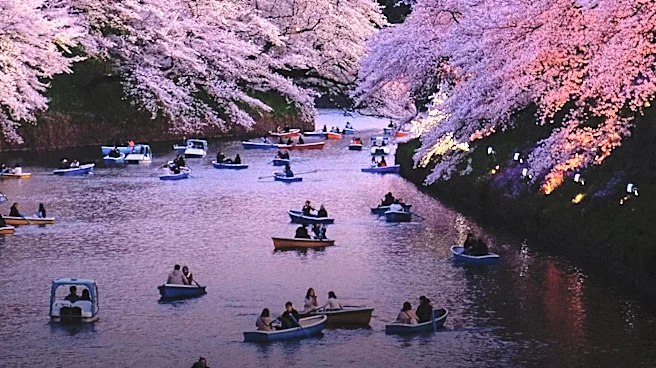
Tokyo's seasons significantly influence daily life, dictating food choices, clothing, and outdoor activities. Spring, from late March to early April, is characterized by cherry blossoms, attracting large
crowds. May offers mild temperatures and lower humidity, making it a comfortable month for visitors. Summer, spanning June to August, begins with a rainy season (tsuyu) followed by intense heat and humidity, with average August highs reaching 31.3°C (88°F). Autumn, from September to early December, sees a gradual cooling, with September still feeling like summer and being the start of the wettest period due to typhoon season. Late November and early December bring vibrant autumn colors, particularly from ginkgo and maple trees. Winter, from December to February, is cold, dry, and bright, with January being the coldest month, averaging 9.8°C (50°F). Snowfall is rare and typically light, melting quickly. Each season presents unique events and challenges for residents and tourists.
Why It's Important?
The distinct seasonal patterns in Tokyo are crucial for understanding the city's rhythm and have significant implications for tourism, local businesses, and infrastructure. For the tourism industry, peak seasons like cherry blossom in spring and autumn foliage drive visitor numbers and hotel prices, while summer's heat and winter's cold necessitate different travel preparations and activities. Local businesses, especially those in retail and food service, adapt their offerings to seasonal demands, such as selling oden and hot pots in winter. The weather also impacts public services; for instance, typhoons in autumn can disrupt transportation. Understanding these seasonal shifts allows for better urban planning, resource management, and public health initiatives, particularly concerning heatstroke prevention in summer and cold-weather preparedness in winter. The cultural calendar, with festivals and events tied to specific seasons, further highlights the importance of these natural cycles in shaping Tokyo's identity and economy.
What's Next?
As Tokyo continues to experience these predictable seasonal changes, future considerations will likely focus on adapting to potential shifts in weather patterns due to broader climate trends. This could involve further adjustments in tourism marketing to promote less crowded shoulder seasons, developing more indoor attractions for extreme weather, and enhancing infrastructure to withstand increasingly intense weather events like typhoons or heatwaves. Local authorities and businesses will continue to monitor meteorological forecasts to prepare for seasonal challenges, such as managing crowds during peak blossom viewing or ensuring public safety during summer festivals. The ongoing evolution of travel preferences and environmental conditions will necessitate continuous adaptation in how Tokyo manages its seasonal offerings and prepares for the future.
Beyond the Headlines
Beyond the immediate impacts, Tokyo's pronounced seasonality reflects a deeper cultural connection to nature, evident in its festivals, cuisine, and daily routines. The anticipation of cherry blossoms, the resilience during typhoon season, and the appreciation for crisp winter air are integral to the Japanese aesthetic and way of life. This cultural embeddedness means that seasonal changes are not merely meteorological events but deeply meaningful periods that shape social interactions, artistic expressions, and even spiritual practices, such as 'hatsumode' (first shrine visit of the year) in winter. The city's ability to integrate these natural cycles into its modern urban fabric offers a unique blend of tradition and progress, influencing everything from fashion trends to architectural design that maximizes seasonal comfort. This interplay between nature and urban living provides a rich tapestry for understanding Tokyo's unique character.