





What's Happening?
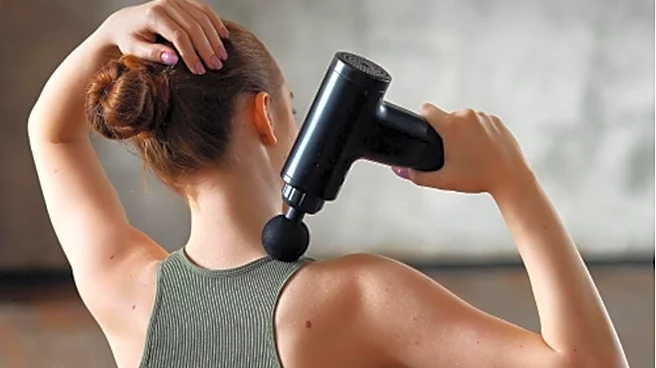
Massage guns are highlighted as effective tools for deep tissue massage, with key specifications like stroke length, stall force, and motor strength determining their efficacy. According to Joybuy, a stroke length of 10-12 mm is suitable for most users,
while over 12 mm is considered professional-grade. Stall force, the pressure a device can withstand before its motor stops, is crucial for maintaining a consistent deep massage. The inclusion of specialized attachments, such as heated heads that warm up in five seconds, enhances the therapeutic benefits by relaxing muscles. Ergonomic design, including handle shape and weight, is also emphasized for user control and comfort. For optimal use, it's recommended to apply the massage gun for 1-2 minutes per muscle group, with full-body sessions not exceeding 15 minutes, and usage limited to 2-3 times daily. Starting at the lowest setting is advised to gauge the body's reaction.
Why It's Important?
The increasing popularity of massage guns signifies a shift in personal wellness and recovery practices, offering consumers a portable and accessible alternative to professional massage therapy. The emphasis on specific technical specifications like stroke length and stall force empowers consumers to make informed purchasing decisions, moving beyond marketing hype like high RPMs or excessive, often useless, attachments. This focus on core functionality ensures that users invest in devices that genuinely provide deep tissue relief, addressing muscle soreness and tension effectively. The integration of features like heated heads further enhances the therapeutic value, potentially reducing recovery times for athletes and alleviating chronic pain for remote workers. This trend reflects a broader consumer demand for effective, at-home health solutions that prioritize tangible benefits over superficial features.
What's Next?
As the market for personal wellness devices continues to grow, manufacturers are likely to further innovate in areas such as motor efficiency, battery life, and specialized attachments. The demand for more compact and user-friendly models with advanced features like integrated heat functions will likely drive future product development. Consumers can expect to see more devices tailored to specific needs, such as those designed for neck and shoulder pain with hands-free operation, or compact models for general relaxation. The ongoing education of consumers about critical specifications will also be vital, pushing manufacturers to be more transparent about their product capabilities. This could lead to a more standardized approach in how massage gun effectiveness is communicated, allowing for clearer comparisons between different models and brands.
Beyond the Headlines
The rise of sophisticated personal massage devices like massage guns points to a broader societal trend towards self-care and proactive health management. As lifestyles become more sedentary for many, and physical activity remains high for others, the need for effective muscle recovery and tension relief becomes paramount. These devices democratize access to therapeutic massage, making it available outside of clinical settings and at a lower long-term cost. This shift could have long-term implications for the healthcare industry, potentially reducing reliance on professional massage therapists for routine muscle maintenance. Furthermore, the focus on ergonomic design and ease of use highlights a growing awareness of user experience in health technology, ensuring that these tools are not only effective but also practical for everyday use, fostering greater adherence to personal wellness routines.