







What's Happening?
Float tanks, also known as float pods or sensory deprivation tanks, are gaining recognition as a method for relaxation and therapeutic benefits. These enclosed tubs contain warm, salt-rich water, typically around 93.5°F, with a high concentration of Epsom
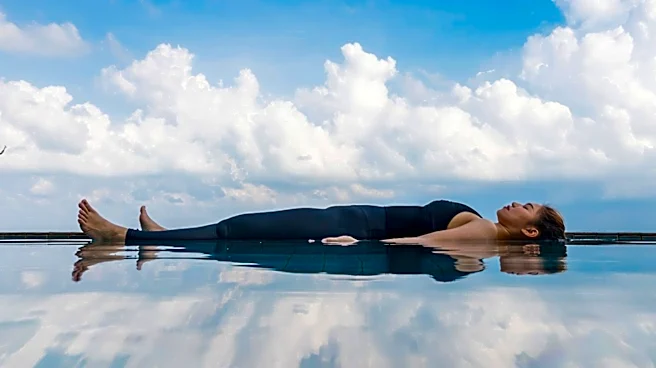
salt (800 to 1,000 pounds). This density allows individuals to float effortlessly on their backs, providing a sensation of weightlessness. The environment is designed to minimize external stimuli, with reduced light and sound, creating a quiet space for sensory rest. Users can choose to keep the lid open or closed and control the level of light and sound. The experience is often described as light and quiet, with some individuals drifting close to sleep or allowing their thoughts to wander. Studies have indicated that floating can lead to reduced anxiety and stress, with one study reporting that 50 adults with anxiety and stress-related conditions felt more relaxed and less tense after a single one-hour float session. Facilities like Serenus Float & Wellness in Bloomington, Indiana, and Floatwell Cambridge offer these services, with modern float pods designed to be roomier than traditional tanks.
Why It's Important?
The growing popularity of float tanks signifies a broader trend in the U.S. towards alternative wellness practices and stress management techniques. In an increasingly fast-paced and high-stress society, individuals are seeking non-pharmacological methods to improve mental and physical well-being. The reported benefits of float therapy, such as reduced anxiety, stress, and muscle tension, could have significant implications for public health, potentially offering a complementary approach to traditional mental health treatments. For the wellness industry, this trend presents new business opportunities, leading to the expansion of float centers and the development of related products and services. As more research emerges on the efficacy of flotation-REST (restricted environmental stimulation therapy), it could influence healthcare providers to consider recommending such therapies, thereby integrating them into mainstream wellness and potentially impacting insurance coverage for these services. The emphasis on individual control over the floating environment also aligns with a consumer preference for personalized wellness experiences.
What's Next?
The future of float tanks in the U.S. is likely to see continued growth and innovation. As awareness of the benefits of sensory deprivation therapy spreads, more wellness centers and spas may incorporate float tanks into their offerings. Research into the long-term effects and broader applications of float therapy is expected to expand, potentially leading to more standardized protocols and increased acceptance within the medical community. This could also drive technological advancements in float tank design, making them more accessible, comfortable, and customizable. Furthermore, the industry may explore partnerships with corporate wellness programs, offering float sessions as a benefit to employees to combat workplace stress. Regulatory bodies might also begin to establish guidelines for the operation and safety of float centers as their prevalence increases. The focus will likely remain on promoting the mental and physical rejuvenation aspects, with an emphasis on improving sleep, reducing stress, and enhancing mental clarity.
Beyond the Headlines
Beyond the immediate benefits of relaxation and stress reduction, the rise of float tanks touches upon deeper societal implications regarding our relationship with technology and constant stimulation. In an era dominated by digital connectivity and information overload, sensory deprivation offers a stark contrast, providing a rare opportunity for complete disengagement. This trend highlights a collective yearning for mindfulness and introspection, suggesting a cultural shift towards valuing internal quietude as much as external engagement. Ethically, the accessibility and affordability of such therapies will be crucial to ensure that these wellness benefits are not limited to a privileged few. The concept of 'restricted environmental stimulation' also prompts philosophical questions about the nature of consciousness and the impact of our environment on our mental states. As float therapy becomes more mainstream, it could foster a greater appreciation for the power of sensory control in managing psychological well-being and potentially influence architectural and urban planning to incorporate more spaces for quiet contemplation.