




What's Happening?
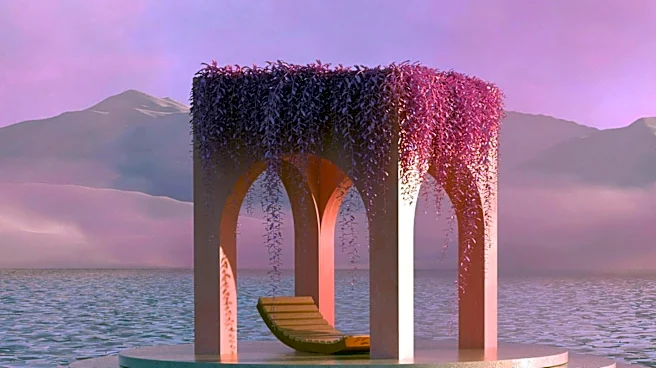
Nujuma, a Ritz-Carlton Reserve, has opened on the Ummahat islands in the Saudi Red Sea, featuring shell-shaped floating pods designed by Foster and Partners. This development is part of a larger initiative by Red Sea Global, which now operates eleven
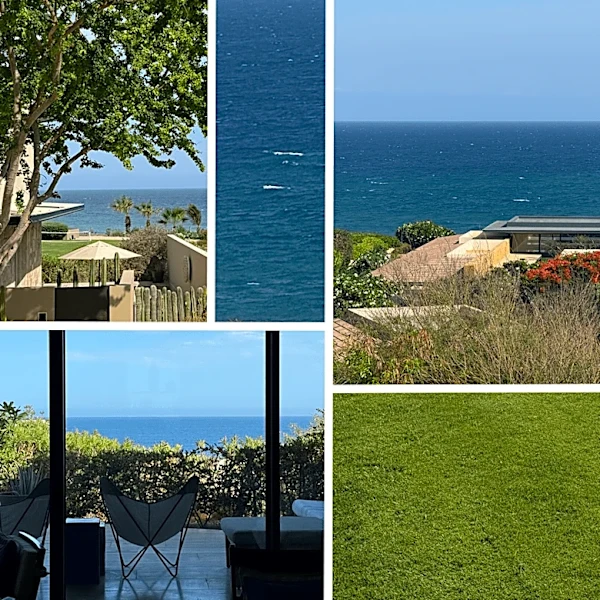
hotels in the region. The St. Regis Red Sea Resort, with villas by Kengo Kuma, is also located on the Ummahat islands. Other notable openings include Six Senses Southern Dunes inland, Shebara with mirrored steel structures, and Desert Rock integrated into the Hijaz mountains. The hub island of Shura hosts five hotels: The Red Sea EDITION, SLS, InterContinental, Miraval, and Four Seasons, alongside Turtle Bay on the mainland. This rapid expansion marks a significant shift from just one operational hotel two years prior, transforming the Red Sea into a bookable luxury destination.
Why It's Important?
The opening of Nujuma and other luxury resorts in the Saudi Red Sea signifies a major push by Saudi Arabia to establish itself as a premier global luxury travel destination. This initiative aims to diversify the nation's economy beyond oil, attracting high-net-worth individuals and boosting the tourism sector. The strategic decision to cap visitor numbers at one million annually for The Red Sea and 500,000 for AMAALA, coupled with development confined to less than one percent of the destination's area, indicates a focus on exclusivity and sustainability. This approach could set a new standard for luxury tourism, emphasizing environmental preservation and controlled growth. The pricing strategy, with Nujuma's entry villas starting above $2,200 and a three-bedroom Royal villa exceeding $20,000 per night, positions the Red Sea as a top-tier luxury market, potentially influencing global luxury travel trends and competition among high-end destinations.
What's Next?
The Red Sea region is set for continued expansion, with several more luxury properties scheduled to open through the end of 2026 and beyond. On Shura, the remaining hotels, including Grand Hyatt, Jumeirah, Fairmont, Faena, and Raffles, are expected to go live. AMAALA, the wellness-focused sister development, will see the addition of Equinox, Jayasom, Nammos, and a Ritz-Carlton before year-end. Looking further ahead to 2027, Clinique La Prairie's first resort outside Switzerland is slated to open at AMAALA, followed by Laheq, Red Sea Global's first residential island, in 2028. The Red Sea International Airport, designed by Foster and Partners, is already operational, facilitating access with scheduled services. The destination's commitment to a zero-carbon operating target, powered by over 700,000 solar panels, will continue to be a key focus as these new properties come online.
Beyond the Headlines
The development of the Saudi Red Sea as a luxury destination carries deeper implications beyond economic diversification. The region is being intentionally crafted as a 'sober, longevity-coded luxury geography,' with resorts pouring no wine and menus focusing on juice, coffee, and mocktails. This reflects a strategic bet on evolving luxury consumer preferences, where wellness, sleep, and a genuinely dark sky are increasingly valued as status symbols. The emphasis on privacy, seclusion, and controlled access, exemplified by the 'off-grid' nature of floating lodges and the use of seaplanes or boats for island transfers, suggests a deliberate effort to create an exclusive experience. This model could influence future luxury tourism developments globally, highlighting a shift towards experiential and health-conscious travel. The recognition by Forbes Travel Guide and TIME's Greatest Places list indicates a successful initial establishment of high standards, but the long-term challenge will be to cultivate a rich social and dining fabric that accrues organically over time, rather than being solely a product of rapid development.