


What's Happening?
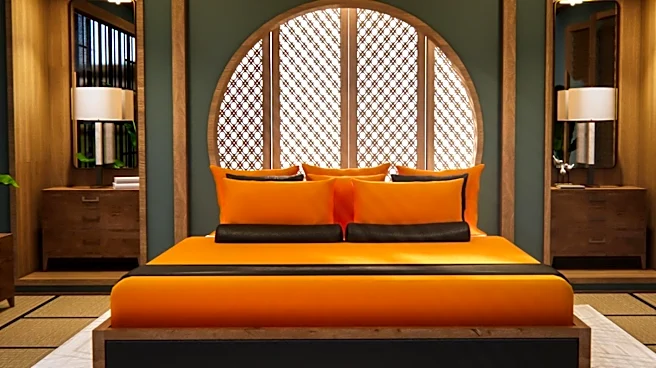
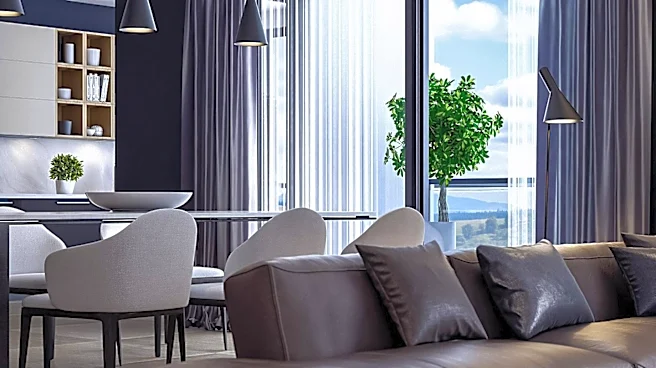
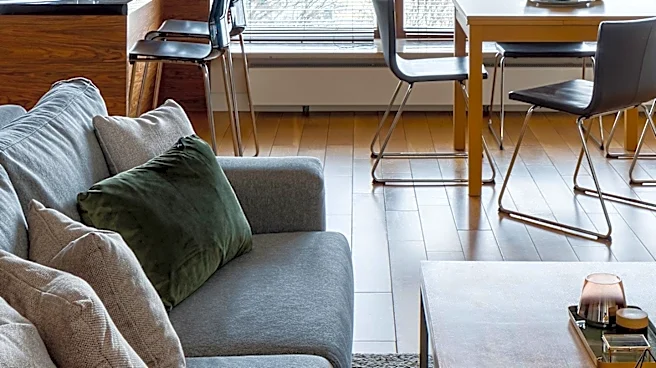
The Japandi style, a blend of Japanese minimalism and Scandinavian functionality, is being embraced in small New York City apartments to create efficient and aesthetically pleasing home office spaces. This design approach focuses on using small, well-crafted
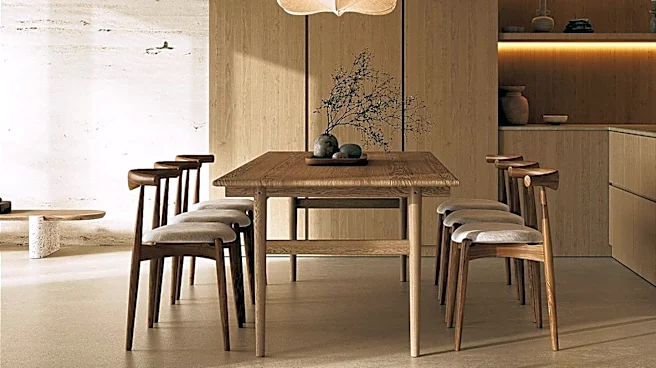
pieces and emphasizes the importance of putting things away, which is crucial for maintaining a tidy workspace within a living area. The style is characterized by the use of pale oak desks with visible joinery and paper lamps, which integrate seamlessly into the home environment, making the office space a visually appealing part of the room rather than a compromise. The Japandi style is particularly effective in small apartments where space is limited, as it allows for the creation of a functional workspace without sacrificing the overall aesthetic of the living area.
Why It's Important?
The adoption of Japandi style in small apartments is significant as it addresses the common challenge of creating a functional workspace in limited spaces, a need that has become more pressing with the rise of remote work. By integrating workspaces into living areas without compromising on style, residents can maintain a harmonious home environment. This approach not only enhances the aesthetic appeal of the apartment but also promotes a more organized and efficient use of space, which can lead to increased productivity and a better work-life balance. The Japandi style's emphasis on minimalism and functionality aligns with the growing trend towards sustainable and intentional living, making it a relevant choice for modern urban dwellers.
What's Next?
As the trend of remote work continues, the demand for home office solutions that blend seamlessly with living spaces is likely to grow. The Japandi style, with its focus on minimalism and functionality, is well-positioned to meet this demand. Designers and furniture manufacturers may increasingly incorporate Japandi elements into their offerings, providing more options for consumers looking to optimize their home environments. Additionally, as more people become aware of the benefits of this style, it could influence broader interior design trends, encouraging a shift towards more sustainable and intentional living spaces.