







What's Happening?
The hospitality industry is increasingly adopting user-generated content (UGC) strategies to enhance brand credibility, influence booking decisions, and foster guest trust. Travelers are no longer solely relying on polished hotel photography or carefully
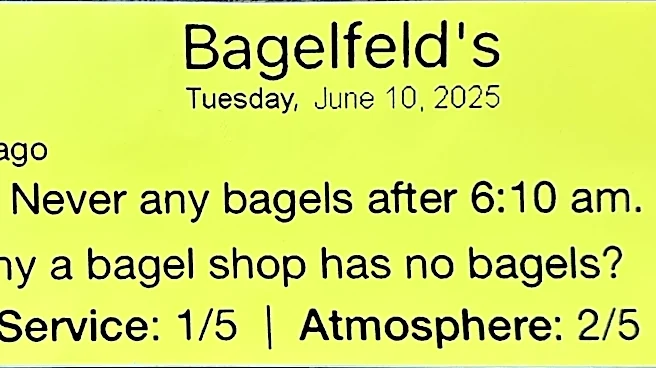
crafted website copy; instead, they seek authentic proof of a hotel's promises through guest-shared photos, honest reviews, social media posts, and videos. TravelBoom highlights that when hotels integrate UGC into their broader content strategy, it strengthens multiple marketing channels and makes every touchpoint feel more authentic. This shift emphasizes that the most effective UGC comes from memorable experiences that guests genuinely want to share, rather than forced content.
Why It's Important?
This strategic embrace of user-generated content is important because trust has become a paramount currency in hotel marketing. In an industry where customers purchase an experience they cannot see until arrival, authentic guest content provides the crucial social proof that traditional advertising often lacks. By showcasing real experiences, hotels can bridge the credibility gap and reassure potential guests that their expectations will be met. This approach not only increases direct bookings by building confidence but also reduces reliance on third-party online travel agencies (OTAs). Furthermore, UGC supports search engine optimization by providing fresh, experience-driven content that keeps users engaged longer and makes hotel websites more valuable to visitors, ultimately driving revenue growth.
What's Next?
Moving forward, hotels will need to develop structured processes for collecting, managing, and strategically utilizing user-generated content. This involves more than just reposting occasional social media photos; it requires organizing content, securing proper permissions, monitoring performance, and integrating authentic guest experiences throughout the customer journey. Hotels will focus on creating visually striking spaces and delivering exceptional service moments that naturally encourage guests to share their positive experiences. Making content sharing easy through simple review requests, branded hashtags, and permission-based reposting will be key. The goal is to transform guest stories into measurable business results, ensuring that every piece of UGC supports a broader marketing objective, from improving search visibility to increasing website conversions and strengthening reputation management.
Beyond the Headlines
The deeper implications of this trend extend to the very nature of brand storytelling and consumer influence. As user-generated content gains prominence, it signifies a democratization of marketing, where the collective voice of guests holds more sway than traditional corporate messaging. This shift challenges hotels to prioritize genuine guest experiences and service excellence, as these directly translate into valuable marketing assets. Ethically, it underscores the importance of transparency and authenticity in all communications. Culturally, it reinforces the power of community and shared experiences in shaping consumer choices. This evolution could lead to a more dynamic and responsive hospitality industry, where guest feedback not only drives marketing but also directly influences product development and service improvements, fostering a continuous cycle of enhancement based on real-world experiences.