


What's Happening?
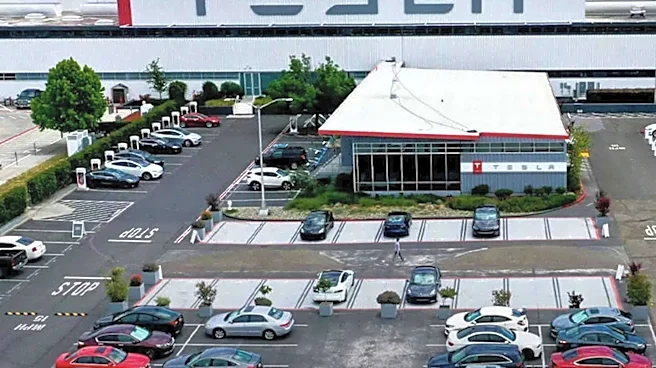
Tesla and SpaceX have formed two special committees, comprising a total of five directors, to oversee negotiations for a potential merger between the two companies. The Financial Times reported that Roelof Botha and Randy Glein represent SpaceX, while
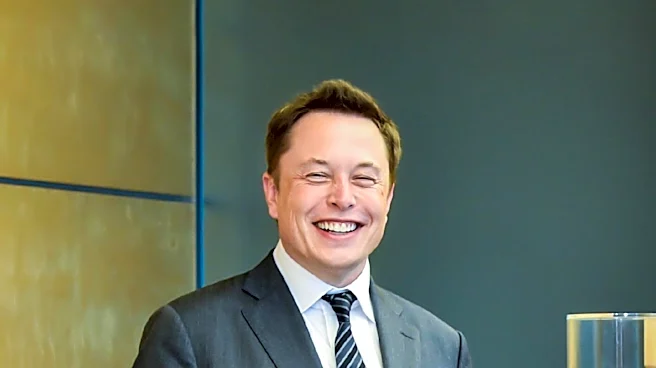
Robyn Denholm, Kathleen Wilson-Thompson, and Jack Hartung represent Tesla. These committees are tasked with guiding discussions for a possible all-stock merger that would consolidate Elon Musk's artificial intelligence, robotics, electric vehicle, and aerospace ventures under a single corporate structure. Elon Musk previously stated during SpaceX's third-quarter earnings call that such a unification would be 'a good idea' and confirmed the formation of these independent director committees. The special committees have engaged financial advisors, with Morgan Stanley and Goldman Sachs advising SpaceX, and Evercore advising Tesla, to develop financial models for their negotiating positions. These advisors are currently examining areas of overlap between the businesses to assess the proposed combination.
Why It's Important?
This potential merger holds significant implications for the technology and automotive sectors, as it would create a colossal entity combining leading innovations in electric vehicles, space exploration, AI, and robotics. Such a consolidation could streamline research and development efforts, potentially accelerating advancements across these diverse fields. For investors, the merger could create a more diversified and potentially more resilient company, but it also introduces complexities related to valuation and integration of two distinct corporate cultures. The move could also reshape competitive landscapes, particularly in the electric vehicle and aerospace industries, by creating a dominant player with unparalleled technological breadth. However, the proposed combination faces substantial regulatory hurdles, especially concerning SpaceX's U.S. defense contracts and Tesla's significant operational presence and reliance on China, which could complicate governmental approvals and national security considerations.
What's Next?
Negotiations between the special committees of Tesla and SpaceX are ongoing, with financial advisors actively preparing models to inform their respective positions. While no definitive merger agreement has been announced, Bloomberg previously reported that a deal could be finalized as early as December, indicating progress in the discussions. The next steps will involve detailed financial and operational due diligence, followed by intense negotiations on the terms of the all-stock merger. Regulatory bodies in the U.S. and potentially other jurisdictions will scrutinize the proposed combination, particularly regarding antitrust implications and national security concerns related to SpaceX's defense contracts. Stakeholders, including shareholders of both companies, will closely monitor these developments, as the outcome will significantly impact their investments and the future strategic direction of these prominent technology firms.
Beyond the Headlines
The proposed merger between Tesla and SpaceX represents a significant strategic move that could redefine the scope of a modern conglomerate. Beyond the immediate financial and operational synergies, this consolidation could foster a unique ecosystem of innovation, where advancements in one sector, such as AI developed for autonomous vehicles, could directly benefit space exploration technologies, and vice-versa. However, integrating two highly ambitious and distinct corporate cultures, both heavily influenced by Elon Musk's vision, presents considerable management challenges. The ethical implications of combining such vast technological power, particularly in AI and robotics, under one corporate umbrella will also draw scrutiny. Furthermore, the regulatory challenges highlight the increasing intersection of corporate strategy, national security, and international relations, as governments grapple with the implications of powerful, globally operating technology companies.