
What's Happening?
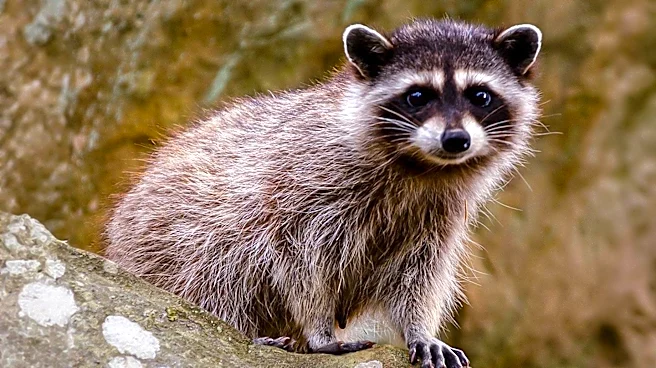
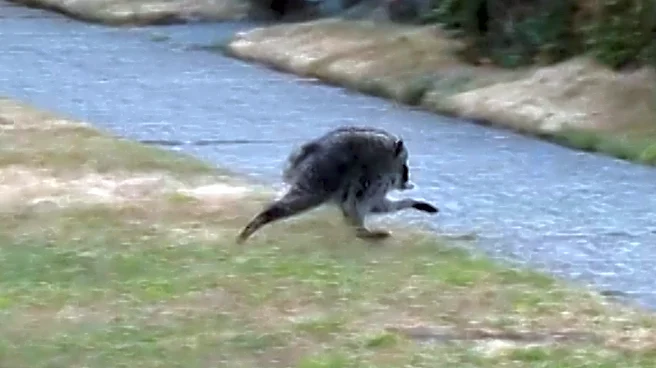
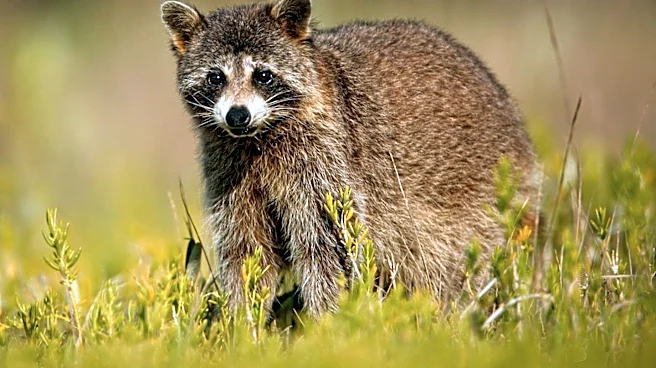
A raccoon named Jimothy has become a viral sensation in Seattle after a video of the animal, believed to have short spine syndrome, was posted online. The video, captured by Seattle resident Kiana Hall, quickly gained millions of views, leading to widespread
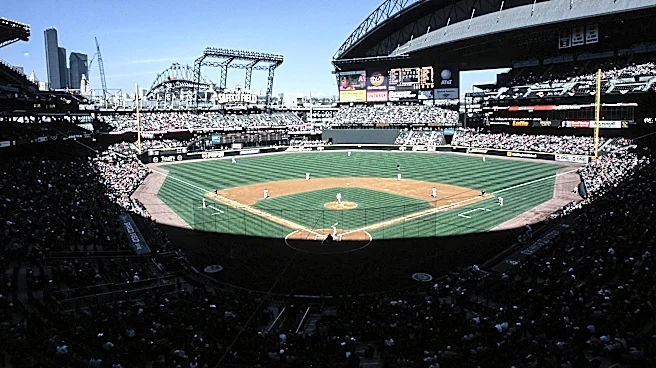
public interest. Jimothy has been embraced as an unofficial mascot of Seattle, with local events and merchandise celebrating the raccoon. The Seattle Mariners have announced promotional events, including 'Jimothy Night' at T-Mobile Park, where fans can receive themed merchandise. The phenomenon has sparked a cultural moment, with Jimothy memes spreading across social media and even being acknowledged by the White House.
Why It's Important?
Jimothy's rise to fame highlights the power of social media in creating viral sensations and fostering community engagement. The raccoon's story has resonated with people across the country, providing a lighthearted distraction and a symbol of resilience. The widespread attention has also led to economic opportunities, with local businesses capitalizing on the craze through merchandise and events. This phenomenon underscores the potential for viral content to influence cultural trends and community identity, as seen in Seattle's adoption of Jimothy as a symbol of local pride.
What's Next?
The continued popularity of Jimothy is likely to inspire further events and merchandise, as businesses and organizations seek to capitalize on the raccoon's viral status. The Seattle Mariners and other local entities may expand their promotional efforts, potentially leading to increased tourism and economic activity in the area. Additionally, the story of Jimothy may encourage other communities to embrace similar viral phenomena, fostering a sense of unity and shared cultural identity.