


What's Happening?
A comparison between Tromsø, Norway, and Rovaniemi, Finland, highlights their suitability for viewing the Northern Lights. Both locations are situated within the aurora oval, offering opportunities to witness the phenomenon from late August through early
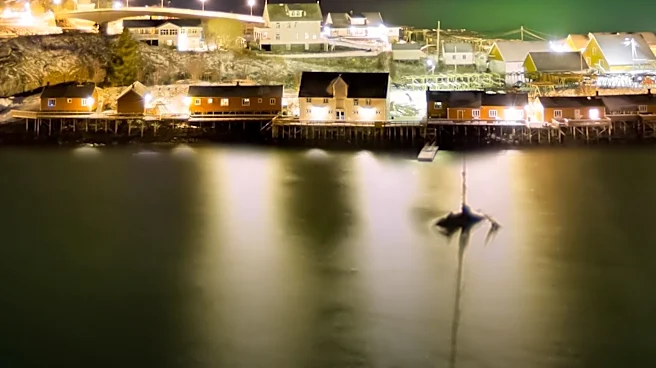
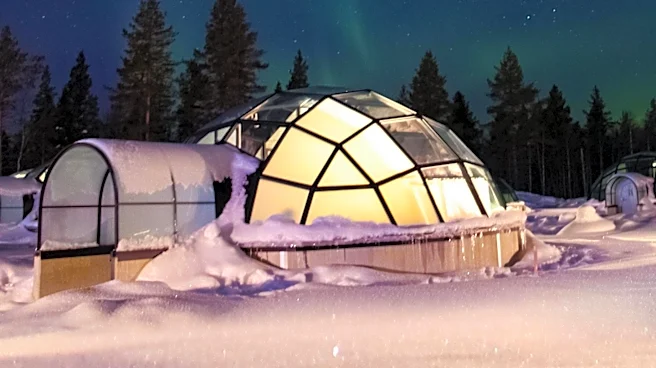
April, with peak viewing during the long, dark nights of November to February. Rovaniemi is presented as a more reliable and cost-effective option for travelers whose primary goal is aurora viewing, featuring a genuine international airport with direct flights and flat, open terrain for guides to easily access clear skies. Tours in Rovaniemi, such as the Small Group Northern Lights Hunting Tour, often include a 100% refund guarantee if no aurora photos are captured. In contrast, Tromsø, while offering dramatic fjord and mountain scenery, typically has pricier flights and higher overall costs. Its coastal location can lead to more changeable weather and cloud cover, sometimes requiring guides to drive further, even into Finland or Sweden, to find clear viewing conditions. The choice between the two often depends on traveler priorities, with Rovaniemi suiting those focused on value and reliability, and Tromsø appealing to those who prioritize scenic backdrops and are less concerned with budget.
Why It's Important?
The choice between Tromsø and Rovaniemi for Northern Lights tourism has significant implications for the travel industry and local economies in both regions. For Rovaniemi, its positioning as a more accessible and reliable aurora viewing destination can attract a larger volume of tourists, boosting local businesses, tour operators, and accommodation providers. The guarantee of a refund for unsuccessful aurora hunts in Rovaniemi could set a standard in the tourism sector, influencing how other destinations market their aurora tours and potentially increasing consumer confidence. Conversely, Tromsø's appeal to a niche market that values dramatic scenery over cost-efficiency allows it to maintain a premium tourism segment. This differentiation helps both regions cater to distinct traveler preferences, optimizing their tourism strategies. The comparison also underscores the importance of weather patterns and geographical features in determining the success of aurora viewing, which can impact tourist satisfaction and repeat visits. Understanding these dynamics is crucial for sustainable tourism development and economic planning in these Arctic destinations.
What's Next?
Travelers planning Northern Lights trips will likely continue to weigh the trade-offs between Rovaniemi and Tromsø based on their priorities. Tour operators in both locations may further refine their offerings to emphasize their unique advantages. Rovaniemi could see continued growth in its family-friendly and value-oriented tourism, potentially leading to increased investment in infrastructure and services to support the influx of visitors. Tromsø might focus on enhancing its appeal to photographers and those seeking a more rugged, scenic Arctic experience, possibly developing more specialized tours that integrate whale watching or coastal cruises with aurora viewing. The competition between these destinations could also drive innovation in aurora hunting techniques, such as improved real-time weather tracking and more flexible tour options. As awareness of these differences grows, travel agencies and online platforms will likely provide more detailed comparisons to help tourists make informed decisions, further shaping the demand for each destination.
Beyond the Headlines
Beyond the immediate travel decisions, the comparison between Rovaniemi and Tromsø highlights broader themes in niche tourism and regional economic development. The emphasis on a 100% refund guarantee in Rovaniemi tours reflects a growing consumer demand for certainty and value in experiential travel, pushing tour operators to innovate their service guarantees. This trend could influence other adventure tourism sectors to offer similar assurances, potentially reshaping industry standards. Furthermore, the differing cost structures and flight accessibility between Finland and Norway underscore the impact of national economic policies and infrastructure on tourism competitiveness. The ability of Rovaniemi to offer more direct and affordable flights, coupled with lower overall costs, positions it as a more accessible entry point to Arctic experiences. This could lead to a long-term shift in tourist flows, favoring destinations that can combine unique natural phenomena with practical and economic advantages. The focus on environmental factors like cloud cover also emphasizes the inherent unpredictability of nature-based tourism, prompting a need for adaptive strategies and realistic expectations among travelers.