







What's Happening?
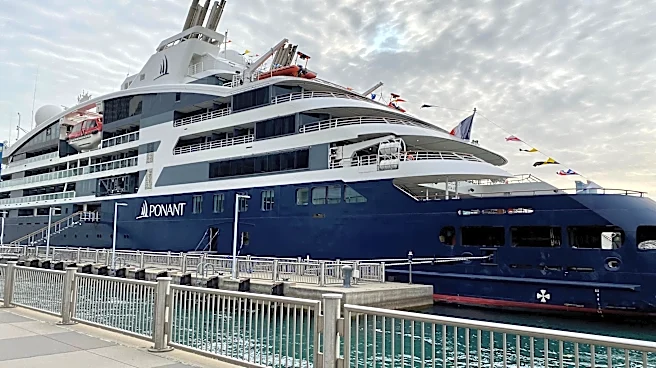
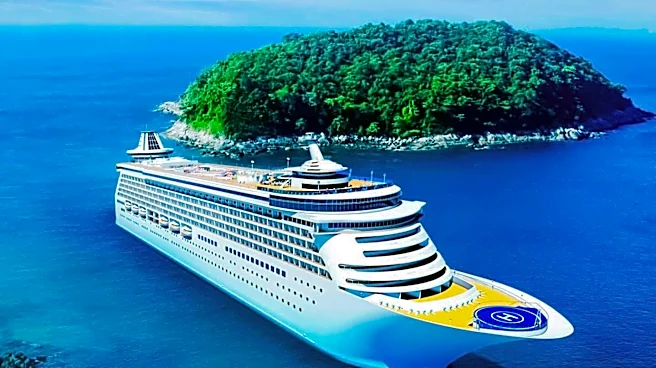
Several companies are attempting to revive the concept of residential cruise ships, transforming them into floating neighborhoods. These projects target wealthy travelers, retirees, and remote workers who are interested in a life without a fixed address.
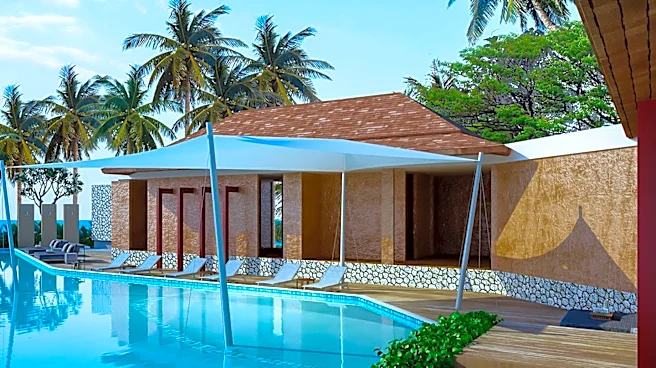
The offerings range from modest cabins to luxury residences priced in the millions, featuring private apartments, restaurants, wellness centers, and medical services. Notable projects include Blue World Voyages and Ulyssia, which aim to create exclusive floating communities. The World, a private residential ship launched over two decades ago, serves as a precedent, though it remains an exception rather than a mass-market model.
Why It's Important?
The renewed interest in residential cruise ships reflects broader changes in retirement, luxury travel, and remote work. As traditional retirement evolves, some older travelers prefer continuous movement over settling in one place. Wealthy buyers seek privacy and service without managing multiple homes. The pandemic-era shift towards remote work has made the idea of living anywhere more feasible. However, the model faces challenges such as high costs, complex logistics, and the need for constant maintenance and regulatory approvals. The success of these projects could redefine luxury travel and retirement living.
What's Next?
The future of permanent life at sea remains uncertain. While projects like Villa Vie Odyssey have shown that affordable versions can launch despite delays, luxury projects like Blue World Voyages and Ulyssia indicate ongoing interest in grander versions. Developers must overcome significant financial and logistical hurdles to make these floating neighborhoods viable. The industry will need to address issues such as financing, market conditions, and the practicalities of maintaining a residential ship. The outcome of these efforts could influence future developments in luxury travel and residential living.