




What's Happening?
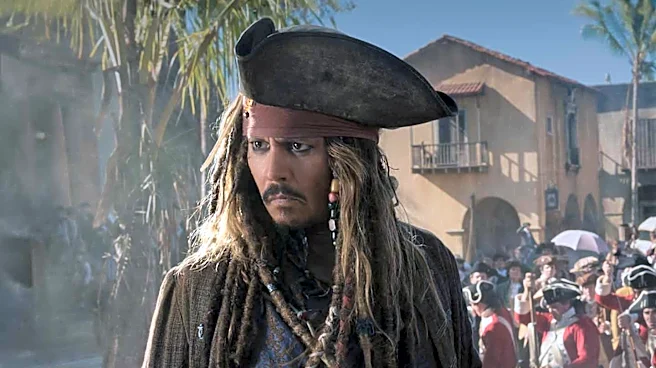
An excerpt from Mark Seal’s forthcoming biography, “The Many Faces of Johnny Depp,” reveals that Johnny Depp's initial portrayal of Captain Jack Sparrow in “Pirates of the Caribbean” caused significant concern among Disney executives. According to the book,
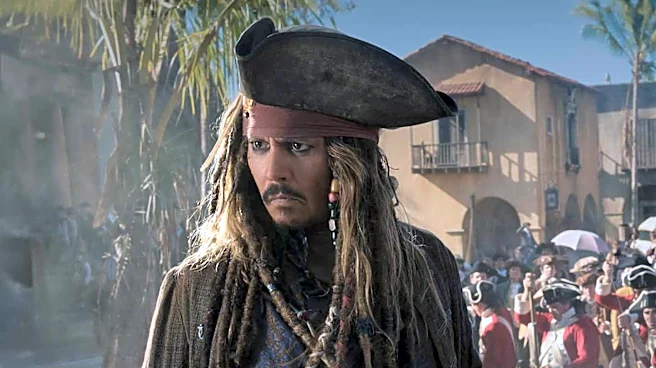
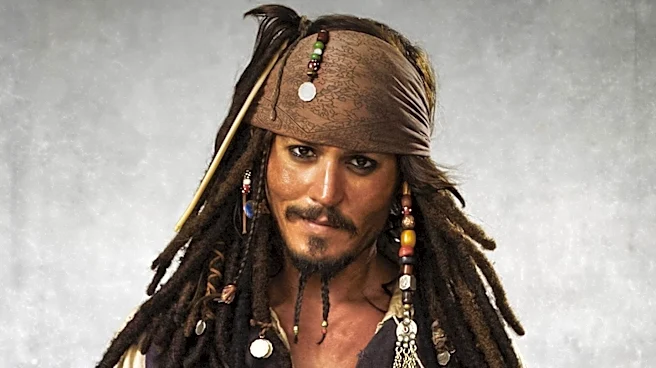
producers recalled their reactions to Depp's vision for the role, which included gold-capped teeth with diamonds, a 'slurred faux-British accent,' dreadlocks, scarves, a wobbly walk, and heavy eye makeup. When executives first saw Depp's interpretation, they reportedly questioned whether he was intoxicated or gay. Disney's chairman and CEO, Michael Eisner, allegedly expressed panic, claiming Depp was 'ruining' the movie and that it would need subtitles because nobody could understand him. Despite the pushback, Depp maintained his creative vision for the character, stating he believed in it wholeheartedly and felt comfortable with his choices.
Why It's Important?
This revelation highlights the creative tensions that can arise between actors and studio executives, particularly when an actor's artistic vision deviates significantly from initial expectations. Depp's steadfast commitment to his portrayal of Jack Sparrow, despite executive concerns, ultimately led to one of cinema's most iconic and financially successful characters. The 'Pirates of the Caribbean' franchise went on to earn over $4.5 billion worldwide across five films, suggesting that Depp's unconventional choices were instrumental to the character's appeal and the franchise's success. This situation underscores the potential value of artistic risk-taking in Hollywood, even when it initially causes alarm among those responsible for a film's commercial viability. It also sheds light on the internal decision-making processes and anxieties within major film studios regarding character development and audience reception.
What's Next?
Mark Seal’s biography, “The Many Faces of Johnny Depp,” is scheduled for release on November 24. The book is expected to provide further insights into Depp's career, his creative processes, and his interactions with film studios. The release of these details may reignite discussions among film critics and fans about the creative freedom of actors versus studio control in major productions. It could also prompt renewed interest in the behind-the-scenes development of other iconic film characters, potentially leading to more revelations about similar creative clashes. For Disney, this historical account serves as a reminder of a time when a controversial creative decision ultimately led to immense success, potentially influencing future approaches to talent management and artistic interpretation within their projects.
Beyond the Headlines
The initial reaction of Disney executives, questioning whether Depp's character was 'drunk' or 'gay,' reflects broader societal perceptions and biases prevalent in the early 2000s regarding character portrayal in mainstream cinema. This incident touches upon themes of representation and the often-conservative nature of large studios when faced with unconventional artistic choices. Depp's response, 'I’m sorry, didn’t you know all of my characters are gay?' challenges these assumptions and highlights an actor's agency in shaping character identity. The success of Captain Jack Sparrow, a character who defied traditional masculine archetypes, ultimately broadened the scope of acceptable and popular characterizations in blockbuster films, demonstrating that audiences can embrace complexity and ambiguity. This case serves as a significant example of how artistic conviction can push boundaries and redefine commercial success in the entertainment industry.