







What's Happening?
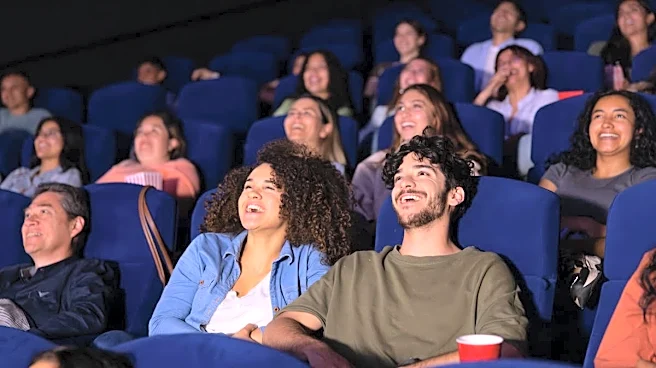
OpenArt AI, an AI text-to-video platform, is launching an advertising campaign in AMC movie theaters across Los Angeles, San Francisco, and New York to promote its Director product. The campaign also includes billboards and digital placements. The Director tool
allows users to create videos up to five minutes long by describing an idea, visual style, and narrative arc in conversational language. The campaign aims to inspire a trend of 'vibe directing,' similar to 'vibe coding,' encouraging users to create micro dramas, music videos, or ads. Despite some backlash from Hollywood's creative community over AI's potential to replace jobs and produce low-quality content, some industry figures like Ben Affleck and Martin Scorsese are open to using AI to enhance technical work. OpenArt AI, founded in 2022 by former Google employees, has grown to 8 million monthly active users and raised $30 million in a Series A funding round led by Canaan Partners.
Why It's Important?
The campaign by OpenArt AI highlights the growing influence of AI in creative industries, particularly in video production. By targeting moviegoers, the company is positioning its technology as a tool for democratizing video creation, potentially lowering barriers for aspiring filmmakers. However, the initiative also underscores ongoing tensions between traditional creative professionals and AI technology, as concerns about job displacement and content quality persist. The campaign's success could influence how AI is perceived and adopted in creative fields, impacting employment and production practices. Additionally, the campaign's reception may affect how other AI companies approach marketing and product development in the entertainment sector.
What's Next?
OpenArt AI's campaign could lead to increased adoption of AI tools in video production if it successfully demonstrates the technology's capabilities. The company may face scrutiny from industry professionals and consumers skeptical of AI-generated content. Future developments could include collaborations with filmmakers or further advancements in AI technology to address quality concerns. The campaign's outcome may also influence regulatory discussions around AI in creative industries, as stakeholders evaluate the balance between innovation and job preservation.
Beyond the Headlines
The campaign raises ethical questions about the role of AI in creative processes and the potential for technology to redefine artistic expression. As AI tools become more sophisticated, the line between human and machine-generated content may blur, challenging traditional notions of authorship and creativity. This shift could lead to new cultural norms and legal frameworks governing intellectual property and content creation. The campaign also highlights the need for ongoing dialogue between technologists and creative professionals to ensure that AI advancements align with industry values and societal expectations.