







What's Happening?
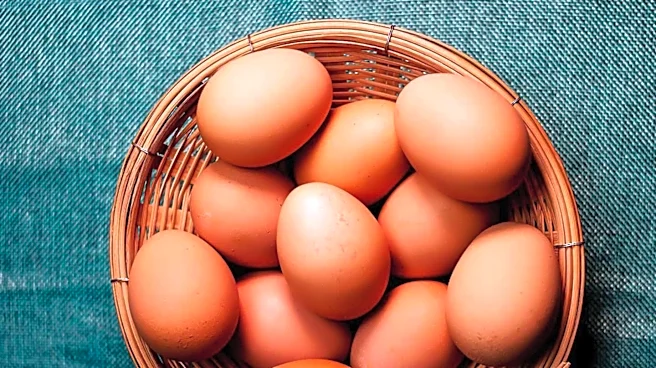
Consumers are advised on methods to identify quality chicken eggs and best practices for their storage to extend shelf life. Fresh, high-quality eggs typically have intact, bright-colored shells with a slightly rough surface and a powdery bloom coating.
When gently shaken, a fresh egg feels solid, with internal contents that do not shift significantly. Tapping two fresh eggs together should produce a sharp, solid sound, and shaking them should result in almost no noise. In contrast, older eggs may feel looser, produce a hollow sound when tapped, or a slight noise when shaken due to the loosening of the albumen and yolk. Additionally, fresh eggs usually have no unusual odor, while low-quality or spoiled eggs may emit a musty, sour, rotten, or foul smell. Proper storage involves placing eggs with the pointed end facing down, which helps to minimize air cell expansion and prevent bacterial collection through the eggshell's pores, thereby extending their freshness.
Why It's Important?
The proper identification and storage of eggs are crucial for consumer health and food safety. Eggs are a versatile and nutrient-dense food, rich in high-quality protein, healthy fats, and essential vitamins and minerals. Consuming eggs that have degraded in quality or spoiled due to improper storage can pose health risks, including exposure to harmful bacteria like Salmonella if not cooked properly. Understanding how to assess egg freshness allows consumers to make informed purchasing decisions and reduce food waste. The recommended storage method, placing eggs pointed end down, leverages the egg's natural anatomy to maintain its internal structure and prevent bacterial contamination, ensuring that this dietary staple remains safe and nutritious for longer periods. This knowledge empowers individuals to maximize the benefits of eggs as part of a balanced diet.
What's Next?
Consumers can immediately implement the recommended practices for identifying and storing eggs. This includes visually inspecting eggshells for integrity and bloom, performing the shake and tap tests for freshness, and smelling eggs for any off-odors. Adopting the storage method of placing eggs pointed end down in the refrigerator can become a routine practice to prolong their shelf life. Retailers and food service providers might consider educating consumers further on these simple yet effective methods through informational labels or campaigns. Ongoing research into egg preservation and quality assessment could lead to new technologies or recommendations, but for now, these basic techniques remain the most accessible and practical for the average consumer to ensure egg quality and safety.
Beyond the Headlines
The emphasis on egg quality and storage extends beyond immediate consumption, touching upon broader themes of food literacy and sustainable living. By understanding the subtle indicators of egg freshness, consumers develop a deeper connection to their food sources and become more discerning about product quality. This knowledge can contribute to reducing household food waste, as properly stored eggs remain viable for longer, lessening the need to discard them prematurely. Furthermore, the discussion around egg quality highlights the importance of food handling practices in preventing foodborne illnesses, reinforcing public health guidelines. The simple act of storing an egg pointed end down, rooted in scientific understanding of its anatomy, underscores how small, informed actions can have significant impacts on daily life and well-being.