
What's Happening?
Gabby Windey, a former star of 'The Bachelorette', recently reported on social media and in a Substack essay titled 'Broke back, no mountain' that she broke her back. The injury occurred while she was
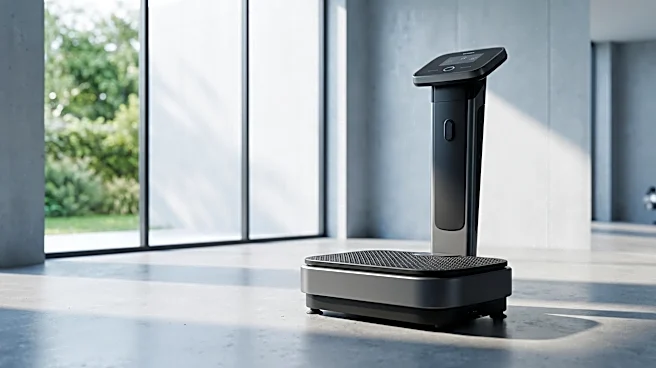
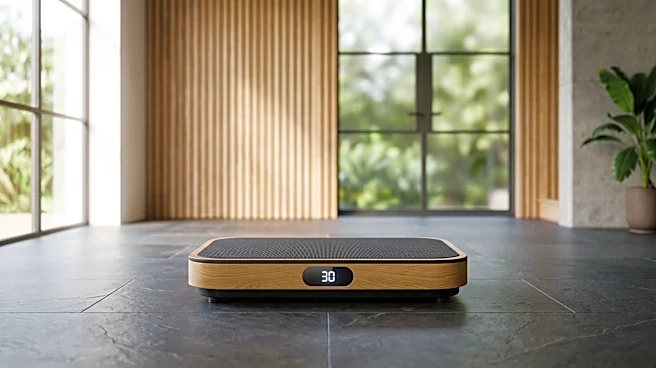
using a vibration plate at home, which she had set to its highest level, 30. Windey described that the rapid vibrations and pressure caused her vertebrae to become crooked and rub against each other, leading to a broken vertebra. She shared hospital photos, including an X-ray, and a mirror selfie with the caption: 'I broke my back from a fast vibration. And I just barely survived to tell the story.' She further elaborated that the fast movements caused either a small piece of bone to break off or a crack to form in her vertebra. Since the incident, Windey has been experiencing 'insatiable' paresthesia, a persistent tingling sensation, and describes the limitations of her back as debilitating.
Why It's Important?
This incident highlights potential risks associated with at-home fitness equipment, particularly when used at high intensity. While vibration plates are marketed for muscle activation, circulation, and balance improvement, Windey's severe injury underscores the importance of understanding proper usage and potential dangers. Her experience could prompt increased scrutiny of safety guidelines and warnings for such devices, potentially influencing consumer awareness and product liability discussions within the fitness industry. The narrative also touches upon broader societal pressures regarding beauty ideals and self-care, as Windey questioned in her essay why she was using the vibration plate, linking it to the blurring lines between beauty standards and self-love. This could spark conversations about the psychological impact of fitness trends and the pursuit of certain body images.
What's Next?
Following her injury, Gabby Windey is now part of a community of individuals dealing with back problems, humorously noting that they often share detailed accounts of their ailments and treatments. Her public disclosure may lead to increased awareness among consumers about the potential hazards of high-intensity vibration plate use and could encourage manufacturers to review and potentially enhance safety instructions and warnings for their products. It might also prompt fitness professionals and health experts to offer more explicit guidance on the safe operation of such equipment. For Windey herself, the immediate future involves managing her persistent paresthesia and the debilitating limitations of her back, likely requiring ongoing medical attention and rehabilitation. Her continued sharing of her experience could serve as a cautionary tale for others considering similar fitness routines.
Beyond the Headlines
Beyond the immediate physical injury, Windey's experience brings to light the complex interplay between personal fitness goals, societal beauty standards, and the marketing of wellness products. Her reflection on why she used the vibration plate—questioning whether it was for beauty ideals or self-love—points to a deeper cultural conversation about body image and the pressures individuals, particularly women, face to conform to certain aesthetic norms. This incident could contribute to a broader dialogue about the responsibility of both consumers and the wellness industry in promoting safe and realistic approaches to health and fitness. It also underscores the ethical considerations for influencers and public figures when sharing their fitness routines, as their experiences can significantly impact their followers' choices and perceptions of health and safety.