






What's Happening?
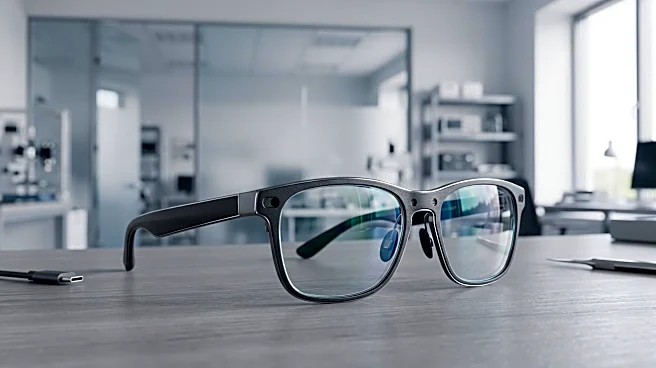
Snap Inc., the parent company of Snapchat, operates Specs Inc., a wholly-owned subsidiary focused on developing advanced eyewear that integrates digital experiences into the physical world. Specs Inc. is responsible for creating 'Specs,' which are advanced eyewear featuring
see-through lenses capable of placing digital objects directly into three-dimensional space. These devices are powered by Snap OS, a proprietary, context-aware operating system designed for natural interaction through hands and voice. Additionally, Specs Inc. provides Lens Studio, a comprehensive suite of developer tools that enables the creation of immersive augmented reality (AR) experiences. These AR experiences are not limited to Specs but are also available across Snapchat and other related services. The company is actively seeking software engineers to contribute to the development of Lens Engine and Lens Studio, focusing on AR experiences and agentic development workflows.
Why It's Important?
The work by Specs Inc. is significant as it represents a continued push towards more integrated and intuitive augmented reality experiences. By developing eyewear that seamlessly blends digital content with the physical world, Snap Inc. is positioning itself at the forefront of the next generation of computing interfaces. The emphasis on natural interaction through hands and voice, powered by Snap OS, could make AR technology more accessible and user-friendly, potentially broadening its adoption beyond niche markets. Furthermore, the provision of Lens Studio as a robust developer tool suite fosters an ecosystem for AR content creation, which is crucial for the growth and diversification of AR applications. This initiative could influence how consumers interact with digital information and how businesses leverage AR for various applications, from entertainment to practical utility.
What's Next?
Specs Inc. is actively recruiting software engineers to enhance its Lens Engine and Lens Studio, indicating a focus on expanding the capabilities and features of its AR platform. Future developments are likely to include improvements in AR experience design, integration of agentic development workflows, and advancements in the underlying technology that powers Specs and Snapchat AR. The continued investment in developer tools suggests an ongoing effort to empower creators to build more sophisticated and diverse AR content. As the technology matures, there could be wider availability of Specs eyewear and increased integration of AR features into daily life, potentially leading to new applications in communication, education, and entertainment. The evolution of Snap OS will also be critical in defining the user experience and capabilities of future AR devices.
Beyond the Headlines
The development of Specs and Lens Studio by Snap Inc. points to a broader technological shift towards 'human-centric computing,' where digital interactions become more intuitive and less intrusive. This approach could redefine how individuals perceive and interact with information, moving beyond traditional screens to an always-on, context-aware digital overlay of reality. Ethically, the seamless integration of digital experiences into the physical world raises questions about privacy, data collection, and the potential for digital distractions to impact real-world interactions. Legally, the emergence of such advanced AR eyewear may necessitate new regulations concerning public use, data security, and content moderation. Culturally, widespread adoption could alter social norms, communication patterns, and even our perception of reality, blurring the lines between the physical and digital realms in unprecedented ways.