







What's Happening?
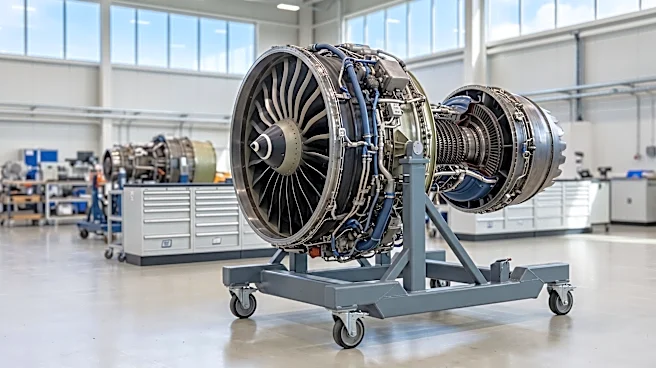
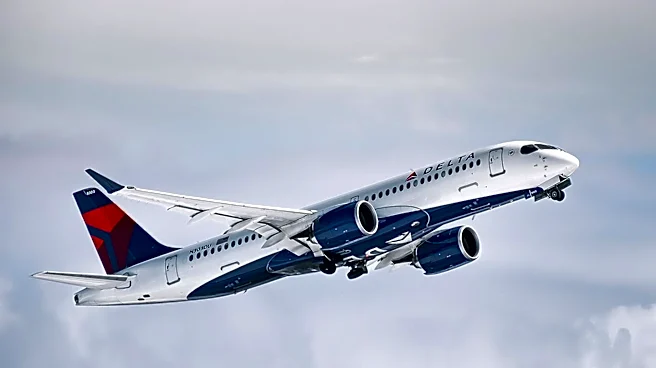
The Federal Aviation Administration (FAA) has issued a directive requiring oil pump safeguards for Rolls-Royce Trent 7000 engines that power Delta Air Lines' Airbus A330neo aircraft. This new rule, effective October 2, 2026, follows reports of in-flight
engine shutdowns attributed to early-life failure of internal components within lubrication and scavenge oil pumps. The European Union Aviation Safety Agency (EASA) had issued a similar directive in January 2024, which was later superseded in July 2026 with expanded coverage. The FAA estimates that 98 affected engines are installed on U.S.-registered airplanes, including spares, though Delta operates 39 A330neo aircraft. Delta Air Lines, the sole U.S. passenger operator of the A330neo, along with the Air Line Pilots Association (ALPA), commented on the FAA's proposal. While ALPA supported the directive, Delta raised practical concerns regarding documentation requirements, particularly when engine assignments to specific aircraft are unknown during maintenance.
Why It's Important?
This FAA directive is critical for ensuring the safety of air travel, particularly for passengers flying on Delta's A330neo fleet, which primarily operates transatlantic services. Engine shutdowns, while not automatically jeopardizing safety, constitute an emergency requiring immediate response and diversion to the nearest suitable airport. The issue highlights the ongoing need for stringent regulatory oversight and proactive maintenance protocols in the aviation industry. Delta's concerns about paperwork and implementation reflect the practical challenges airlines face in complying with complex airworthiness directives, especially when dealing with component tracking across a large fleet. The discrepancy in the timeline between European and U.S. regulatory action also raises questions about the pace of safety implementations across different aviation authorities, potentially affecting global operational consistency and passenger confidence.
What's Next?
The FAA's directive will take effect on October 2, 2026, requiring Delta Air Lines to implement the specified oil pump safeguards for its Trent 7000 engines. This involves verifying installation criteria before each pump installation and conducting screening tests when necessary. Despite Delta's expressed concerns about the practicality of certain documentation requirements, the FAA declined to revise the rule, though it clarified that maintenance records could be held in alternative systems. Delta is continuing to invest in the A330neo, with an order for 32 additional Trent 7000 engines announced in January 2026, bringing its A330-900 fleet to 55 aircraft by 2029. This commitment suggests that while the airline acknowledges the issue, it views the fix as manageable. The aviation community will monitor the implementation of these safeguards and any further developments regarding engine performance and regulatory compliance.
Beyond the Headlines
The FAA's directive and Delta's response underscore a broader tension between regulatory mandates and operational realities in the aviation sector. While safety is paramount, the practicalities of compliance, especially concerning documentation and component traceability, can pose significant logistical challenges for airlines. Delta's questions about making the directive work in real-world maintenance scenarios highlight the need for regulators to collaborate closely with operators to ensure that safety measures are not only effective but also implementable without undue operational friction. The incident also sheds light on the intricate relationship between airframe manufacturers, engine suppliers, and airlines, where a single-engine option for an aircraft type means that issues with the engine can significantly impact an airline's entire fleet of that aircraft. This situation emphasizes the importance of robust design, manufacturing quality, and continuous monitoring throughout an engine's lifecycle.