


What's Happening?
Sumu Asakusa South, a new 17-room hotel, is scheduled to open on October 10, 2026, in Tokyo's Taito Ward. The hotel aims to provide guests with a more immersive and localized experience, moving away from traditional sightseeing-focused stays. Located
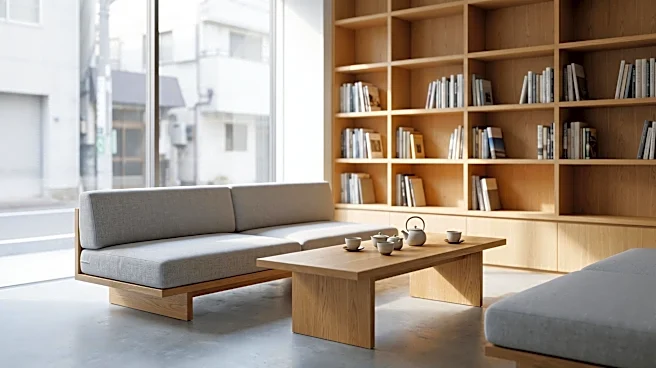
between Asakusa and Kuramae, an area known for its blend of traditional craftsmanship and contemporary culture, the hotel's design incorporates local character through carefully selected tableware, books, and home appliances. It features a first-floor lounge accessible to both guests and the local community, offering a book gallery and locally inspired goods. The rooms are categorized into 'Culture rooms' focusing on themes like reading and music, 'Standard rooms' for families and groups, and a pet-friendly room. All accommodations include kitchens and washer-dryers, making them suitable for longer stays. Guests will also receive a local walking guide to explore nearby shops and restaurants, integrating the neighborhood into their experience. The hotel also showcases Japanese craftsmanship from beyond Tokyo, including products from a Kyoto-based program and repurposed furniture from Hokkaido.
Why It's Important?
This new hotel concept in Tokyo reflects a growing trend in the hospitality industry towards experiential travel, where visitors seek authentic local engagement rather than conventional tourist activities. For U.S. travelers, this offers an alternative to standard hotel chains, providing a deeper cultural immersion and a more independent travel style. The inclusion of kitchens and washer-dryers caters to longer stays, which could appeal to digital nomads, extended-stay tourists, or business travelers looking for a home-away-from-home experience. The emphasis on local craftsmanship and community interaction also supports local economies and artisans, potentially influencing how U.S. tourism operators and travelers approach international destinations. This model could inspire similar developments in other global cities, shifting the focus from mass tourism to more sustainable and culturally integrated travel experiences.
What's Next?
Upon its opening in October 2026, Sumu Asakusa South will begin welcoming guests, offering its unique blend of local immersion and comfortable amenities. The hotel's success will likely be measured by its ability to attract travelers seeking an alternative to traditional tourism and its integration with the local community. If successful, this model could influence future hotel developments in Tokyo and other major cities, potentially leading to a broader adoption of localized, experience-driven accommodations. Other hospitality providers may observe its performance to assess the demand for such niche offerings, possibly leading to increased competition in this segment. The hotel's engagement with local businesses and artisans could also foster new partnerships and collaborations, further enriching the local economy and cultural landscape of the Kuramae area.
Beyond the Headlines
The opening of Sumu Asakusa South highlights a broader cultural shift in travel, moving beyond mere sightseeing to a desire for genuine connection with local life. This trend challenges the traditional tourism industry to rethink its offerings, emphasizing authenticity, sustainability, and community engagement. For U.S. travelers, it signifies an opportunity to experience Tokyo not just as a tourist, but as a temporary resident, fostering a deeper understanding and appreciation of Japanese culture. The hotel's design, incorporating local crafts and repurposed materials, also touches upon themes of sustainable development and the preservation of cultural heritage in an urban setting. This approach could encourage a more mindful form of tourism, where visitors are encouraged to contribute positively to the local environment and community, rather than simply consuming its attractions. It also raises questions about the balance between catering to international visitors and maintaining the unique character of local neighborhoods.