






What's Happening?
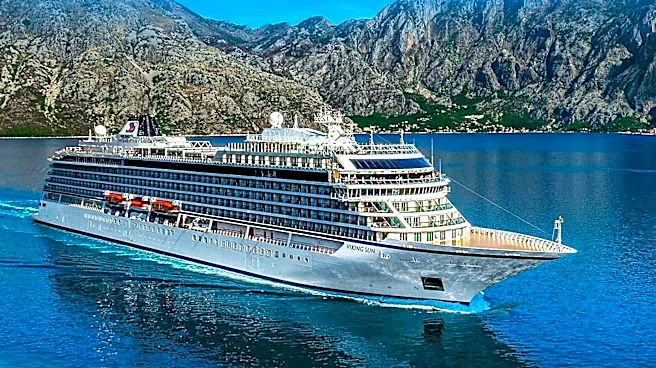
Viking Cruises is focusing on five core design principles for its river ships: Nordic heritage, residential modernism, craft, nature, and exploring the world in comfort. These principles, articulated by designer Richard Riveire, aim to create a spacious
and comfortable environment for guests, even within limited cabin sizes. The design philosophy prioritizes natural light, expansive views, and subtle details that enhance the guest experience without being overtly theatrical. For instance, windows are strategically placed to maintain a visual connection to the surroundings, making the landscape an integral part of the interior. Storage solutions are also meticulously integrated to keep rooms uncluttered, reflecting the understanding that guests unpack and settle in for longer voyages. This approach was refined through the development of Viking's river ships, which served as a 'test kitchen' for the brand's distinctive aesthetic and functional design.
Why It's Important?
This design philosophy is important for the cruise industry as it highlights a strategic shift towards enhancing the onboard experience through thoughtful architectural and interior design, rather than solely focusing on amenities or destinations. By creating a sense of spaciousness and comfort, Viking aims to differentiate itself in a competitive market, potentially attracting a demographic that values understated luxury and a strong connection to the environment. The emphasis on 'exploring the world in comfort' suggests a recognition that the ship itself is a crucial part of the travel experience, serving as a serene retreat after excursions. This could influence other cruise lines to re-evaluate their design strategies, potentially leading to more guest-centric and aesthetically refined ship interiors across the industry. For consumers, it means a potentially more immersive and relaxing travel experience, where the ship's design actively contributes to their well-being and enjoyment of the journey.
What's Next?
The continued application of these design principles by Viking Cruises is likely to set a benchmark for future cruise ship construction and refurbishment. Other cruise lines may observe Viking's success in creating a distinct brand identity through design and adapt similar strategies. This could lead to an industry-wide trend of prioritizing thoughtful interior architecture, natural materials, and integrated storage solutions to enhance guest comfort and satisfaction. Furthermore, as travelers increasingly seek authentic and immersive experiences, the focus on connecting guests with the outside environment through design could become a more prominent feature in cruise travel. The ongoing evolution of these design philosophies will likely be driven by guest feedback and the competitive landscape of the cruise industry.
Beyond the Headlines
The design approach adopted by Viking Cruises reflects a broader cultural shift towards minimalism, functionality, and a deeper appreciation for nature in living spaces. By integrating elements like Nordic heritage and residential modernism, Viking is tapping into contemporary aesthetic preferences that value clean lines, natural light, and a sense of calm. This extends beyond mere aesthetics, touching upon the psychological impact of environment on well-being. The deliberate restraint in design, allowing the external landscape to be the 'star,' suggests a philosophical alignment with the idea that travel is about discovery and immersion, not just onboard entertainment. This could foster a more contemplative and appreciative form of tourism, where the journey itself, and the spaces within it, contribute to a holistic and enriching experience for travelers.