






What's Happening?
Knock Out Roses are a popular group of shrub roses known for their vibrant blooms, exceptional disease resistance, and continuous flowering from spring to frost. These roses are celebrated for their low-maintenance nature, making them suitable for both
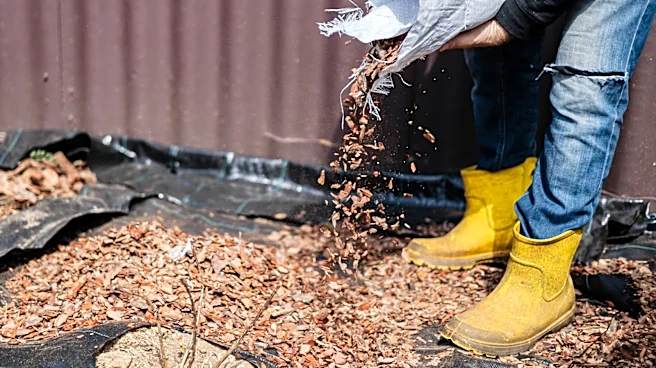
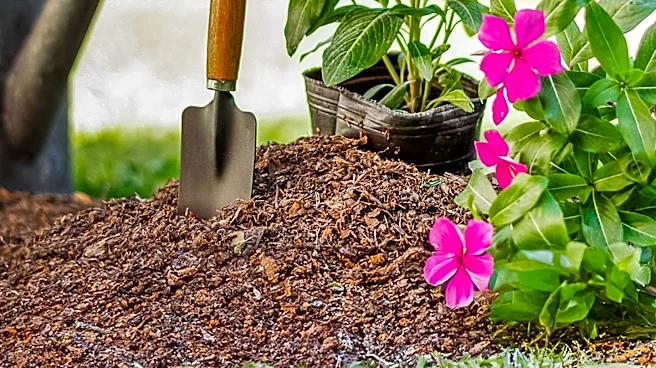
novice and experienced gardeners. They are characterized by their compact, bushy growth habit and self-cleaning flowers, which shed spent petals without the need for deadheading. Available in a variety of colors and with single or double flowers, Knock Out Roses thrive in diverse conditions and climates. While generally robust, they require specific care for optimal growth and blooming. Pruning is best done in late winter to early spring, cutting established standard shrubs to about 12 inches to maintain a height of 3-4 feet. Petite Knock Out varieties, however, should be pruned to 4-6 inches to maintain their miniature size. Consistent watering, especially for newly planted roses, and a 2-3 inch layer of organic mulch are also recommended. Although highly disease-resistant, they can still be affected by issues like black spot, powdery mildew, aphids, and in rare cases, rose rosette disease.
Why It's Important?
The widespread adoption of Knock Out Roses significantly impacts the U.S. gardening and landscaping industry by providing a reliable, low-maintenance option for continuous color. Their disease resistance reduces the need for chemical treatments, aligning with growing consumer demand for environmentally friendly gardening practices and potentially lowering the ecological footprint of residential and commercial landscapes. This ease of care makes gardening more accessible to a broader demographic, fostering increased participation in horticulture. For nurseries and garden centers, Knock Out Roses represent a consistent and popular product line, driving sales and contributing to the economic vitality of the sector. Their adaptability to various climates also means they can be successfully grown across many regions of the U.S., offering a versatile solution for different gardening needs, from flowering hedges to container planting. The reduced maintenance requirements free up gardeners' time and resources, allowing them to enjoy their outdoor spaces more without extensive upkeep.
What's Next?
The popularity of Knock Out Roses is expected to continue, leading to ongoing demand for new cultivars with varied colors and characteristics. Breeders will likely focus on developing even more resilient and diverse options to meet market preferences. Gardeners will continue to integrate these roses into various landscape designs, from formal gardens to mixed borders and containers, leveraging their continuous blooming and low-maintenance qualities. Educational resources, such as those provided by Gardenia, will remain crucial for guiding gardeners on proper pruning, watering, and pest management techniques, ensuring the long-term health of these plants. As environmental concerns grow, the emphasis on disease-resistant and self-cleaning varieties like Knock Out Roses will likely influence the development and marketing of other plant species, promoting a broader shift towards sustainable gardening practices across the U.S. The ongoing monitoring for diseases like rose rosette disease will also be important for maintaining the health of rose populations nationwide.
Beyond the Headlines
The success of Knock Out Roses reflects a broader cultural shift in the U.S. towards convenience and efficiency in lifestyle choices, extending even to gardening. Their 'effortless elegance' caters to modern homeowners who desire beautiful outdoor spaces without the intensive labor traditionally associated with rose cultivation. This trend highlights a changing relationship with nature, where the desire for aesthetic appeal is balanced with practical considerations of time and effort. The development of such resilient plant varieties also raises questions about the future of horticulture, potentially leading to a greater focus on genetic engineering and selective breeding to create 'super plants' that require minimal human intervention. While beneficial for busy individuals and the environment, this could also lead to a homogenization of garden landscapes if diverse, more demanding species are overlooked. The widespread adoption of Knock Out Roses also subtly influences ecological dynamics by reducing pesticide use, which can benefit local insect populations and soil health, contributing to a healthier urban and suburban ecosystem.