

What's Happening?
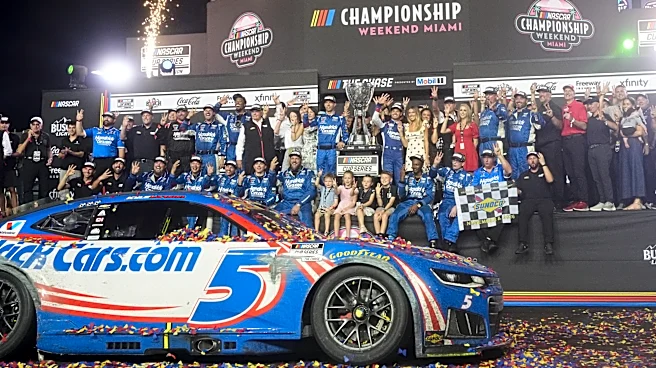
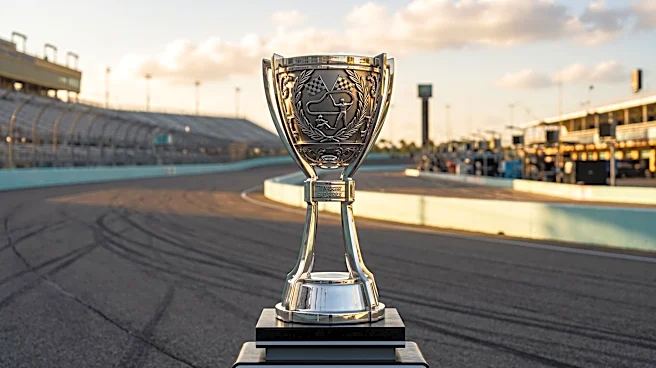
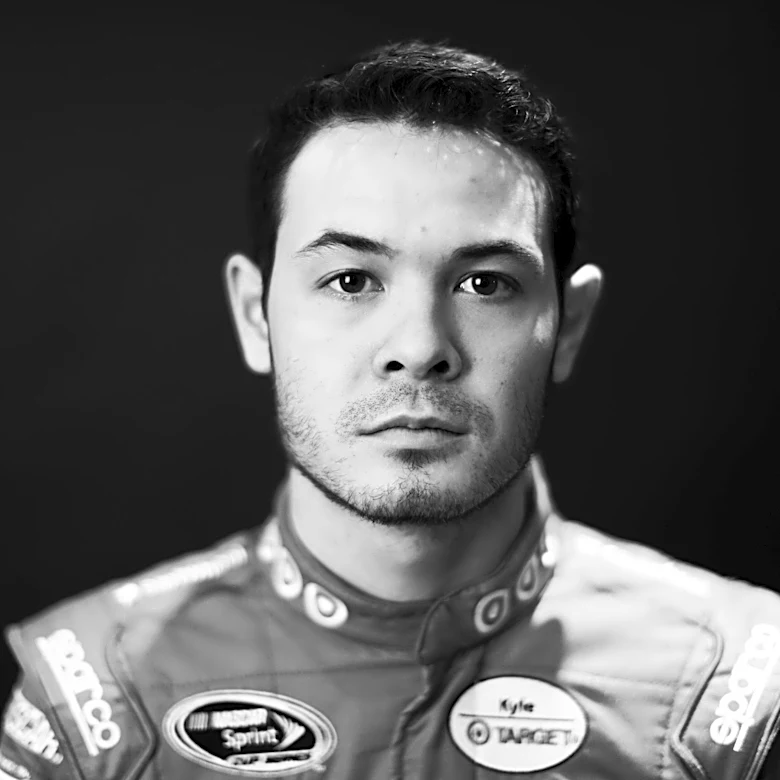
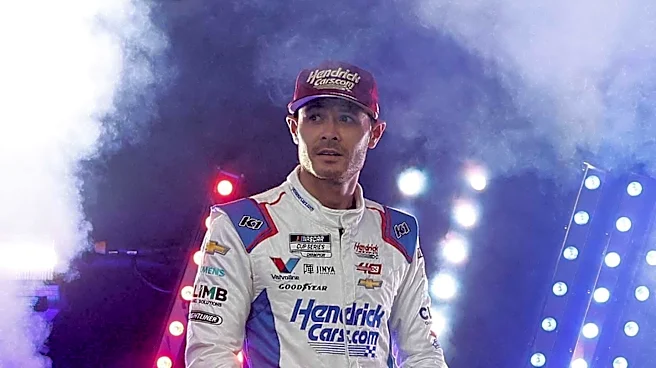
Tony Stewart, a three-time Cup Series champion and former team owner, has voiced strong criticisms regarding NASCAR's current leadership and the increasing complexity of its racing product. Following the conclusion of the 2026 Cup Series season, which
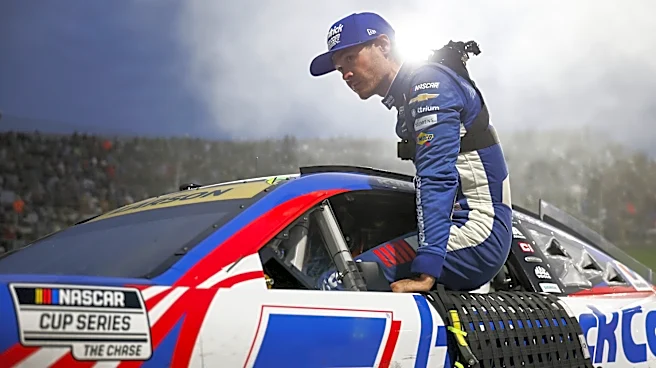
saw Kyle Larson secure his third championship, Stewart stated in an interview with Sportico that he would 'fire all of the upper management first day' if he were in charge. He believes that NASCAR has alienated its traditional fan base by making the sport too difficult to follow, even for someone with his extensive background as a driver and owner. Stewart argues that while there are capable individuals within the organization, their ideas are often 'handcuffed' by the current leadership structure, preventing necessary improvements. His comments reflect long-standing frustrations with NASCAR officials, dating back to concerns he raised about the racing product in 2013 and 2014.
Why It's Important?
Stewart's critique is significant because it comes from a highly respected figure with deep experience across multiple facets of NASCAR, both as a competitor and an owner. His assertion that the sport has become too complicated for even him to understand highlights a potential barrier to fan engagement and retention. If long-time fans and former participants struggle to follow the sport, it suggests a broader issue that could impact viewership, attendance, and overall popularity. The call for a leadership shake-up implies a belief that fundamental changes are needed at the executive level to address these problems, rather than superficial adjustments to the racing itself. This could influence future strategic decisions within NASCAR, potentially leading to a re-evaluation of its management and product development strategies to reconnect with its core audience and simplify the fan experience.
What's Next?
NASCAR is now looking towards the 2027 season, providing an opportunity to evaluate its competition and fan experience. While Stewart has not offered a detailed plan or expressed interest in a leadership role, his public comments could pressure NASCAR's current management to address the issues he raised. The sport may consider initiatives aimed at simplifying rules, enhancing fan accessibility, or re-engaging its traditional fan base. The timing of these remarks, immediately after the 2026 championship, suggests that the debate over NASCAR's direction will be a prominent topic as preparations for the next season begin. Stakeholders, including team owners, drivers, and sponsors, may also weigh in on these concerns, potentially leading to internal discussions about the sport's future trajectory and leadership.
Beyond the Headlines
Stewart's comments touch upon a broader challenge faced by many established sports and entertainment properties: balancing tradition with innovation. His concern about losing the 'original fan base' while trying to evolve suggests a tension between attracting new audiences and retaining loyal, long-term supporters. The idea that 'people in upper management' are 'handcuffed' points to potential bureaucratic hurdles or a disconnect between decision-makers and those with direct experience in the sport. This raises questions about organizational agility and the effectiveness of leadership in adapting to changing fan expectations without alienating core demographics. The underlying implication is that a lack of understanding of the sport's history and its foundational appeal could lead to strategic missteps, impacting NASCAR's cultural relevance and long-term sustainability.