





What's Happening?
Phulay Bay, a Ritz-Carlton Reserve in Krabi, Thailand, is now offering personalized wellness journeys guided by Radhika Khemka, an expert in yoga and Ayurveda. These bespoke programs are structured around three core principles: Vitality, Clarity, and Rest,
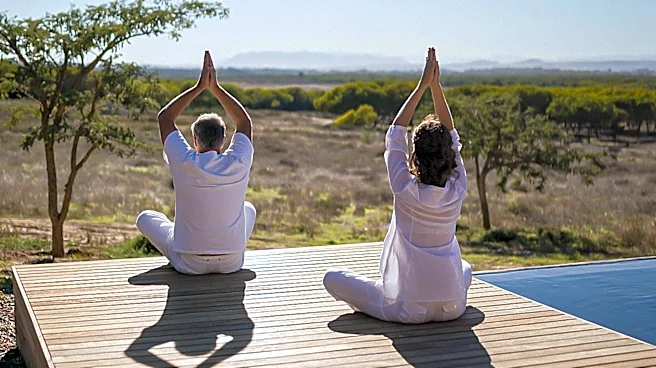
aiming to provide guests with a unique path to physical, mental, and spiritual harmony. Radhika, originally from India, customizes experiences for each guest. Vitality sessions include energizing activities such as Hatha Yoga and Mat Pilates. Clarity is fostered through breathwork techniques like Dharana and Trataka, designed to enhance focus and mental perception. For guests seeking Rest, the programs incorporate Yoga Nidra and Sleep Enhancement Therapy to help alleviate stress and insomnia. The resort's wellness philosophy is integrated throughout the day, with morning sessions like Root Vinyasa and Power Yoga Core set against the Andaman Sea, and evening sessions transitioning guests to calm with activities such as Chakra Sound Bathing.
Why It's Important?
While this specific offering is in Thailand, it reflects a growing trend in the global luxury hospitality sector that has significant implications for the U.S. market. U.S. consumers, particularly those seeking high-end travel experiences, are increasingly prioritizing wellness and personalized health solutions. The introduction of tailored wellness journeys, focusing on specific outcomes like improved sleep and mental clarity, caters to a sophisticated clientele looking for more than just traditional amenities. This trend suggests that U.S. luxury resorts and hotels may need to expand their wellness offerings beyond standard spas and gyms to include more specialized, expert-led programs. Such initiatives can attract a discerning segment of travelers, enhance brand reputation, and potentially command premium pricing, thereby influencing competitive strategies and investment in wellness infrastructure within the U.S. hospitality industry.
What's Next?
The success of such bespoke wellness programs in international luxury resorts like Phulay Bay is likely to inspire similar, more specialized offerings in the U.S. hospitality market. We can anticipate an increase in U.S. hotels and resorts partnering with wellness experts in fields like yoga, Ayurveda, and sleep therapy to create unique, personalized guest experiences. There may also be a greater emphasis on integrating wellness philosophies throughout the guest's stay, from morning activities to evening wind-down routines, rather than confining them to designated spa hours. Furthermore, as wellness becomes a key travel motivator, U.S. destinations and properties will likely invest more in promoting their holistic health and relaxation programs, potentially leading to new marketing strategies and collaborations within the wellness tourism sector. The pricing model, with sessions starting at a premium, also indicates a potential for increased revenue streams for U.S. establishments adopting similar high-value wellness services.
Beyond the Headlines
This development points to a broader cultural shift where individuals are actively seeking ways to manage stress and improve their overall well-being, even during leisure travel. The emphasis on 'Rest' and 'Sleep Enhancement Therapy' highlights a growing recognition of sleep as a critical component of health, moving beyond mere relaxation to targeted therapeutic interventions. This could lead to a more sophisticated understanding of wellness tourism, where travelers expect measurable benefits and expert guidance. For the U.S., this could mean a greater integration of medical and scientific approaches into wellness retreats, potentially blurring the lines between hospitality and healthcare. It also underscores the value of authentic, culturally informed wellness practices, as seen with the Ayurvedic and yoga expertise, which could encourage U.S. wellness providers to explore and incorporate diverse global traditions into their offerings.