









What's Happening?
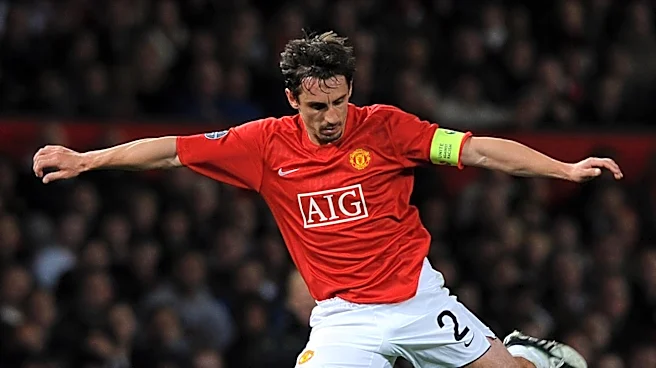
Gary Neville, a former professional footballer, has adopted a rigorous fitness routine to maintain his health and well-being after retiring from football. Neville, who played for Manchester United and the England national team, now follows a high-intensity,
circuit-style training regimen. He begins his day at 5:15 AM, reviewing news before heading to the gym for a workout. This routine, which includes strength training, is a significant shift from his earlier post-retirement years when he indulged in a more relaxed lifestyle, leading to weight gain. Neville credits his wife for encouraging him to return to a structured fitness routine, which he now considers essential for both his physical and mental health.
Why It's Important?
Neville's story underscores the importance of maintaining a structured fitness routine, especially for individuals transitioning from active sports careers to retirement. His experience highlights the potential physical and mental health challenges faced by retired athletes who may struggle with the absence of regular training. By sharing his journey, Neville emphasizes the role of exercise as a form of 'medicine' that can significantly impact mental health and overall well-being. This narrative is particularly relevant in the context of public health, as it advocates for consistent physical activity as a means to improve quality of life and prevent health issues.
What's Next?
Neville's commitment to fitness suggests a continued focus on promoting the benefits of regular exercise. As a public figure, he may influence others, particularly retired athletes, to prioritize their health through structured routines. His story could inspire fitness programs tailored for individuals transitioning from high-intensity careers to more sedentary lifestyles. Additionally, Neville's approach may encourage discussions on the importance of mental health support for retired athletes, potentially leading to initiatives that address these needs within the sports community.
Beyond the Headlines
Neville's transformation also touches on broader cultural themes, such as the societal expectations of athletes post-retirement and the pressures to maintain a certain image. His candidness about weight gain and mental health challenges may contribute to reducing stigma around these issues, encouraging more open conversations. Furthermore, his story highlights the evolving role of athletes as influencers in health and wellness, potentially shaping public perceptions and behaviors regarding fitness and lifestyle choices.