




What's Happening?
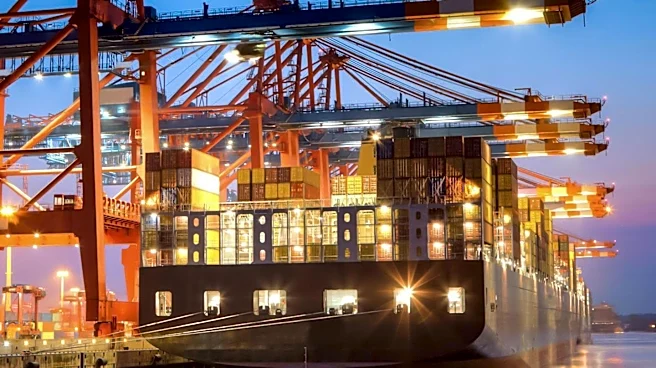
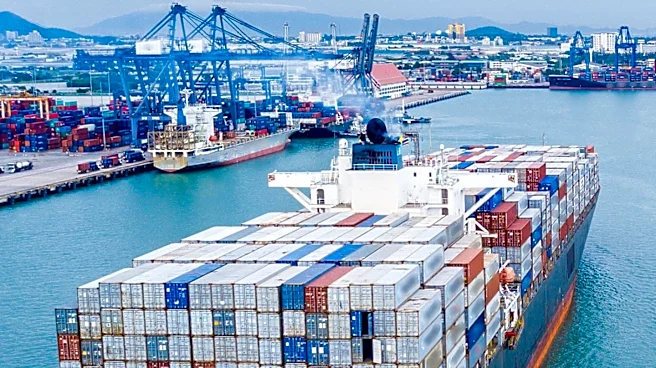
The International Chamber of Commerce (ICC) Ghana has identified that delays in port inspection procedures are significantly increasing the cost and time associated with conducting business. Mr. Emmanuel Doni-Kwame, Secretary-General of ICC Ghana, highlighted
this issue at a media forum organized by the Ghana Ports and Harbours Authority (GPHA). He emphasized the critical need for improved coordination among the various agencies responsible for inspecting goods at the ports. Despite Ghana's ratification of the World Trade Organization (WTO) Trade Facilitation Agreement, a substantial number of containers continue to undergo inspections, contributing to clearance delays. This situation negatively impacts importers, freight forwarders, and other businesses reliant on efficient port operations. Mr. Doni-Kwame suggested that the Authorised Economic Operator (AEO) program could help reduce unnecessary inspections by fostering trust between Customs and compliant businesses. He also called for better coordination among agencies involved in joint inspections, proposing that the agency causing the longest delay should lead in coordinating inspection schedules to ensure simultaneous inspections of consignments.
Why It's Important?
The inefficiencies at Ghana's ports, as reported by ICC Ghana, have significant implications for international trade and U.S. businesses engaged in commerce with Ghana. Increased costs and extended timelines for clearing goods can erode profit margins for U.S. importers and exporters, making Ghana a less attractive market. This situation can lead to higher consumer prices for goods imported from Ghana to the U.S. and reduce the competitiveness of U.S. products exported to Ghana. The call for stronger coordination among port agencies and the utilization of programs like the AEO are crucial for streamlining trade processes. If these issues are not addressed, U.S. companies may face logistical challenges, supply chain disruptions, and increased operational expenses, potentially impacting their investment decisions and trade volumes with the region. Efficient port operations are vital for global supply chains, and delays in one key port can have ripple effects across international trade networks, affecting various stakeholders from manufacturers to end consumers.
What's Next?
ICC Ghana plans to engage with the Customs Division to identify companies that can be supported in building the capacity required to qualify as Authorised Economic Operators. This initiative aims to enable businesses with lower-risk profiles to benefit from faster clearance channels, thereby reducing inspection delays. The organization also advocates for improved coordination among agencies involved in joint inspections, suggesting that the agency causing the most significant delay should take the lead in scheduling inspections simultaneously. This approach is intended to reduce congestion and improve turnaround times at the ports. The success of these efforts will depend on the cooperation of various government agencies and the willingness of businesses to participate in programs like the AEO. The outcome will directly influence Ghana's competitiveness in regional and international trade, impacting the ease and cost of doing business for U.S. and other international entities.
Beyond the Headlines
The challenges at Ghana's ports underscore a broader issue of trade facilitation in developing economies, where bureaucratic hurdles and lack of inter-agency coordination can impede economic growth and international trade. For U.S. businesses, these inefficiencies represent not just logistical headaches but also potential barriers to market entry and expansion. The emphasis on the World Trade Organization's Trade Facilitation Agreement highlights the global commitment to streamlining customs procedures, yet its implementation remains a challenge in many regions. The AEO program, if effectively implemented, could serve as a model for other nations seeking to enhance trade efficiency and build trust between customs authorities and the private sector. This situation also brings to light the ethical considerations of trade, where delays can lead to increased costs that disproportionately affect smaller businesses and ultimately consumers, raising questions about equitable access to global markets and the fairness of international trade practices.