






What's Happening?
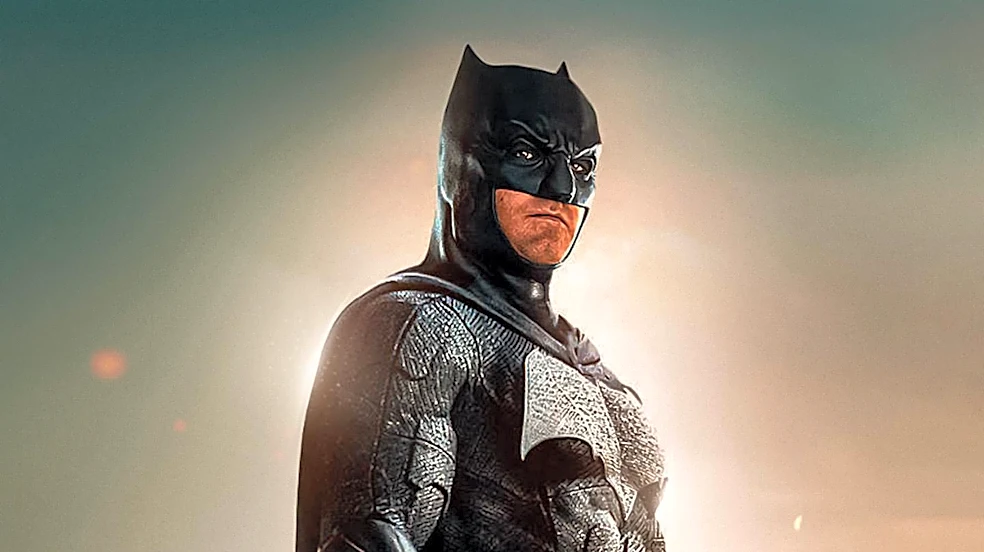
Joe Manganiello has disclosed intricate plot details of Ben Affleck's abandoned solo 'Batman' movie, which would have featured a significantly darker narrative. According to Manganiello, who was slated to play Deathstroke, Affleck's vision for the film
involved Deathstroke systematically dismantling Batman's life. This included the murder of Commissioner Gordon (J.K. Simmons), the kidnapping of Alfred Pennyworth (Jeremy Irons), and an infiltration of the Batcave. The plot was conceived as a superhero version of David Fincher's 'The Game,' with Deathstroke seeking revenge after being led to believe Batman killed his son. A major mid-film action sequence would have seen Deathstroke nearly kill both Batman and Batgirl before their escape. The film's finale was planned as a climactic one-on-one showdown through Gotham's streets, inspired by a CGI fight sequence from the 'Batman: Arkham Asylum' video game and filmmaker Tim Miller. Affleck intended to write, direct, produce, and star in the film.
Why It's Important?
The revelation of Affleck's scrapped Batman film's plot is significant for fans and the entertainment industry, offering insight into a potentially groundbreaking, darker direction for the DC Extended Universe (DCEU) that never materialized. This project, had it been realized, could have redefined the character of Batman on screen, moving beyond traditional superhero narratives to explore a more psychological thriller approach. The proposed storyline, particularly the death of Commissioner Gordon and the near-fatal encounter for Batgirl, indicates a willingness to take substantial risks with established characters, which could have either alienated or deeply engaged audiences. The film's cancellation, attributed by Affleck to personal struggles, studio interference, and dissatisfaction with the handling of Zack Snyder's departure from 'Justice League,' highlights the complex challenges in large-scale franchise filmmaking. It also underscores the impact of creative differences and personal well-being on major cinematic projects, influencing the trajectory of one of Hollywood's most iconic franchises.
What's Next?
While Affleck's solo Batman film is definitively off the table, the revelations from Manganiello's memoir, 'Bloodlines,' continue to fuel discussions among fans and industry observers about what could have been. The current Batman franchise, led by Matt Reeves and starring Robert Pattinson, has taken an entirely separate creative direction. However, the detailed insights into Affleck's vision might influence future DC projects by demonstrating the audience's appetite for darker, more complex superhero narratives. The ongoing interest in scrapped projects like this suggests a potential for studios to explore alternative storylines or 'what if' scenarios in other media, such as animated features or comic books. For Manganiello, these disclosures provide context for his limited involvement as Deathstroke in the DCEU, potentially opening doors for future roles in other comic book adaptations or original projects that align with his interest in complex characters. The discussion also reinforces the importance of director and actor autonomy in creative endeavors within major franchises.
Beyond the Headlines
The detailed account of Ben Affleck's unmade Batman film delves into deeper implications regarding creative control, artistic vision, and the pressures within major Hollywood franchises. Affleck's intention to wear multiple hats—writer, director, producer, and star—for such a massive project highlights the immense creative ambition often present in filmmakers, yet also the significant personal and professional toll it can exact. His subsequent decision to step away, partly due to struggles with alcoholism and the challenging experience of 'Justice League,' underscores the human element behind blockbuster productions. This situation raises questions about the support systems in place for creatives in high-pressure environments and the balance between artistic integrity and studio demands. The proposed dark themes, including the brutalization of beloved characters, reflect a growing trend in superhero narratives to explore more mature and morally ambiguous territory, pushing the boundaries of the genre. This unfulfilled vision serves as a poignant reminder of the many compelling stories that remain untold due to a confluence of personal, corporate, and creative factors.