


What's Happening?
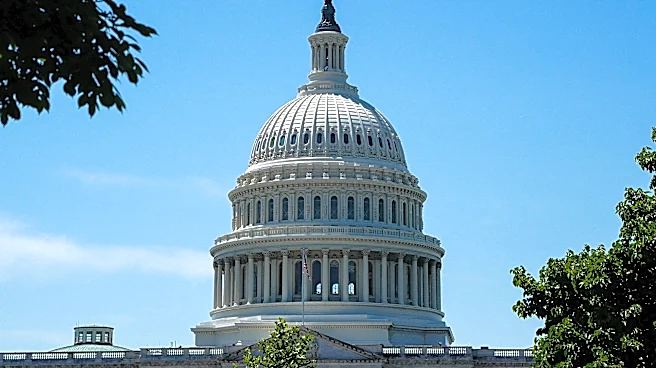
The Protect College Sports Act, a bill aimed at reshaping the landscape of college athletics, failed to pass in the Senate before it adjourned for a five-week recess. This delay could jeopardize the bill's chances of becoming law before the upcoming midterm
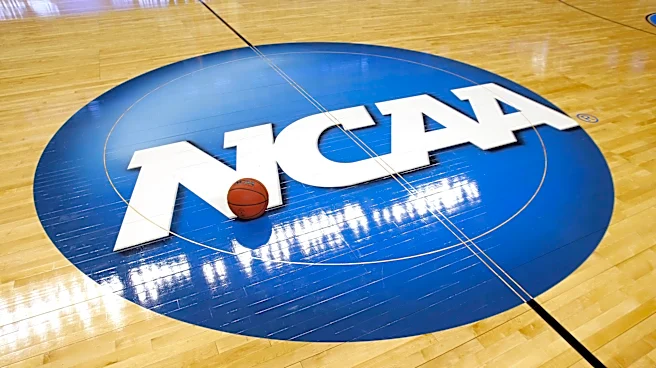
elections. The legislation has been a topic of significant debate, as it seeks to address the distribution of revenue generated by college sports, which has traditionally favored schools over athletes. The Congressional Black Caucus has voiced opposition to the bill, highlighting that Black athletes, who have significantly contributed to the success of college sports, have not been adequately involved in the legislative process. The bill's failure to pass raises questions about whether the NCAA and major conferences will continue to push for its passage or seek alternative solutions, such as individual conferences leaving the NCAA.
Why It's Important?
The failure to pass the Protect College Sports Act underscores the ongoing tension between college athletes and institutions over revenue sharing. The bill's proponents argue that it is necessary to restore order to college sports, which have been disrupted by antitrust violations and the increasing financial demands of athletes. Critics, however, see the bill as an attempt to limit athletes' earnings and maintain the status quo that benefits schools. The outcome of this legislative effort could have significant implications for the future of college sports, potentially affecting the financial dynamics between athletes and institutions. The delay in passing the bill also reflects broader legislative challenges in addressing complex issues within the sports industry.
What's Next?
With the Senate in recess, the future of the Protect College Sports Act remains uncertain. If the bill eventually passes the Senate, it will move to the House, where it may face further challenges and require compromises. The first Tuesday in November is seen as a critical deadline for any legislative action. Meanwhile, stakeholders in college sports, including the NCAA and major conferences, must decide whether to continue supporting the bill or explore other options. The ongoing debate highlights the need for a balanced approach that considers the interests of both athletes and institutions.