




What's Happening?
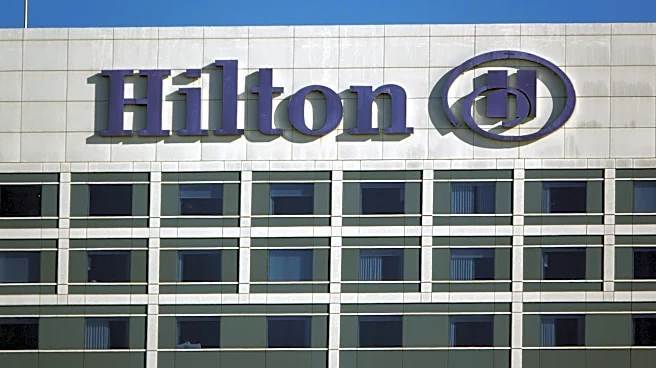
U.S. hotel demand is projected to set an all-time record in 2026, according to analysts from STR and CoStar. This year's performance is expected to conclude with significantly higher-than-anticipated revenue per available room growth. Isaac Collazo, senior
director of analytics at STR and co-host of 'Tell Me More: A Hospitality Data Podcast,' stated that 2026 will mark an all-time demand record, effectively retiring 2019 as the benchmark for comparison. October alone saw 4.7 million more room nights sold compared to October 2025, making it the highest October on record. The combined demand growth for September and October accounted for approximately 11 million additional room nights compared to the previous year, representing over 40% of the total increase in room demand for 2026. This widespread growth across the U.S. has led CoStar and Tourism Economics to raise their 2026 U.S. hotel growth forecast, predicting gains in demand, occupancy, average daily rate, and RevPAR that exceed earlier projections.
Why It's Important?
The record-breaking U.S. hotel demand in 2026 signifies a robust recovery and expansion within the hospitality sector, impacting various economic stakeholders. This surge in demand translates to increased revenue for hotel owners, operators, and related businesses, potentially leading to job creation and economic growth in local communities. The shift from comparing performance to 2019 to using 2026 as the new benchmark indicates a fundamental change in the industry's baseline expectations, suggesting a sustained period of strong performance. This positive trend can attract further investment into the hospitality sector, including new hotel developments and renovations. Furthermore, the increased travel and tourism activity benefit ancillary industries such as transportation, food and beverage, and entertainment, creating a ripple effect throughout the broader U.S. economy. The sustained growth, even if at a more modest rate in 2027, suggests a resilient and expanding market.
What's Next?
Following the record-setting performance in 2026, the U.S. hotel industry anticipates continued growth, albeit at a more modest pace in 2027. Jan Freitag, national director of hospitality market analytics for CoStar Group, noted that while 2027's forecasted growth rates are more conservative, they still represent 'growth on growth.' This suggests that the industry is not expecting a sharp decline but rather a stabilization at elevated levels. The sustained high demand will likely prompt ongoing strategic adjustments from hotel chains and independent operators, focusing on optimizing pricing strategies, enhancing guest experiences, and potentially expanding their portfolios. The strong performance could also influence future investment decisions in the travel and tourism infrastructure, including airports and local attractions, to accommodate the increased visitor numbers. Industry analysts will closely monitor economic indicators and consumer travel patterns to refine future forecasts and identify emerging trends.
Beyond the Headlines
The establishment of 2026 as the new benchmark for U.S. hotel demand has deeper implications beyond mere financial metrics. It reflects a significant shift in consumer behavior and travel patterns post-pandemic, indicating a strong and perhaps permanent resurgence in domestic tourism and business travel. This sustained demand could lead to a re-evaluation of urban planning and development strategies in popular tourist destinations, potentially influencing infrastructure projects and resource allocation. Furthermore, the focus on 'growth on growth' suggests a mature market that is continually adapting and innovating. This could drive advancements in hospitality technology, sustainability practices, and personalized guest services as hotels compete for a larger share of the robust market. The record performance also highlights the resilience of the U.S. economy and consumer confidence in discretionary spending, serving as a key indicator for broader economic health.