


What's Happening?
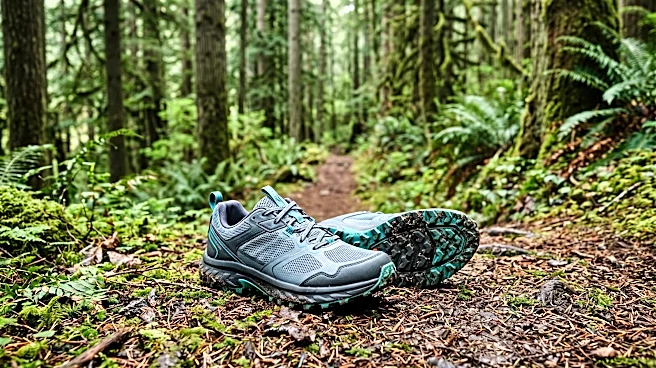
Trail runners frequently experience knee pain, particularly during downhill segments, due to increased impact forces and stress on the kneecap joint. When running downhill, the quadriceps muscles engage eccentrically to control knee flexion, acting as brakes,
which significantly increases the load on the knees. Studies indicate that on a -9° gradient, peak impact force can rise by 54% and braking force by 73% compared to level running. The stress on the joint between the kneecap and thigh bone is also higher, partly because runners tend to hold their trunk more upright. This makes the knee one of the most commonly injured areas in trail running, second only to the foot. Runners who are less accustomed to downhill running, such as those transitioning from road to trail or participating in their first mountain race, are particularly susceptible to this type of pain. The location of the pain can indicate the underlying cause, with common issues including runner’s knee (around or behind the kneecap), IT band syndrome (outer side of the knee), and patellar tendinopathy (just below the kneecap). Muscle soreness in the thighs, rather than the knee itself, is also common after significant descents.
Why It's Important?
The prevalence of knee pain in trail running highlights a significant health and performance issue for athletes in this growing sport. For individuals, persistent knee pain can lead to reduced training consistency, forced breaks from activity, and a diminished quality of life. It can also necessitate costly medical interventions, including physical therapy or consultations with sports doctors. From a broader perspective, understanding and addressing these common injuries is crucial for the continued growth and accessibility of trail running. If not properly managed, these issues could deter new participants and impact the longevity of experienced runners. The emphasis on proper technique, strengthening exercises, and gradual adaptation underscores the importance of preventative measures in sports. This knowledge can inform training programs, equipment development (like the use of poles), and educational resources for the trail running community, ultimately contributing to safer and more sustainable participation in the sport.
What's Next?
To mitigate knee pain during downhill trail running, several strategies are recommended. Runners should focus on adjusting their technique by taking shorter, quicker steps, leaning slightly forward with the slope, and keeping knees soft to absorb impact. The use of trekking poles can significantly reduce the load on knees, with studies showing a 12-25% reduction in ground reaction forces and knee joint stress when walking down a 25° slope. Strengthening the thighs and hips through exercises like squats, step-downs, lunges, and glute bridges is crucial for better braking control and knee alignment. Gradual exposure to downhill running, starting with gentle gradients and smooth trails, is also vital for adaptation. If pain persists, worsens, or is accompanied by swelling, locking, or instability, consulting a sports doctor or physiotherapist is advised for an accurate diagnosis and tailored rehabilitation program. These measures aim to enable runners to continue their sport safely and effectively.
Beyond the Headlines
The challenges faced by trail runners with knee pain extend beyond immediate physical discomfort, touching upon the psychological and community aspects of the sport. The need for careful technique, strength training, and gradual progression highlights a broader philosophy of mindful athleticism, where understanding one's body and its limits is paramount. This contrasts with a 'push through the pain' mentality that can lead to chronic injuries. The role of equipment, such as trekking poles, also points to the evolving nature of trail running, where technology and biomechanical understanding contribute to safer practices. Furthermore, the emphasis on professional medical consultation for persistent pain underscores the importance of integrating sports science and healthcare into athletic pursuits. This holistic approach not only helps individual runners but also fosters a more informed and supportive community within trail running, promoting long-term engagement and well-being in the sport.