







What's Happening?
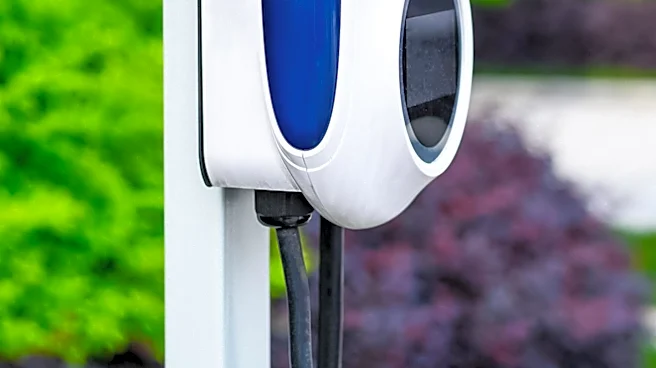
Pacific Gas and Electric Company (PG&E) and GM Energy have introduced the Smart Charge Bundle, a new initiative aimed at making home electric vehicle (EV) charging more accessible and affordable for customers in Northern and Central California. This offering
provides customers who purchase or lease a new Chevrolet, GMC, or Cadillac EV at participating dealerships with a home charger at no additional hardware cost, valued up to $1,999. Additionally, participants will receive a $15 monthly bill credit from PG&E and have the potential to save up to an extra $50 per month by utilizing managed charging through PG&E's EV Charge Manager program. The managed charging system, powered by WeaveGrid software, automatically schedules vehicle charging during off-peak hours when electricity costs and demand are lower, while ensuring the vehicle is ready when needed. Customers retain the ability to override scheduled charging sessions as desired. The bundle integrates the charging solution directly into the EV purchasing process at dealerships, allowing customers to discuss their charging needs and enroll in the program at the point of sale.
Why It's Important?
This collaboration between PG&E and GM Energy is significant for the U.S. EV market, particularly in California, a leading state for EV adoption. By bundling a no-cost home charger with financial incentives and smart charging capabilities, the initiative addresses key barriers to EV ownership: upfront equipment costs and ongoing electricity expenses. Lowering these costs can accelerate EV adoption rates, contributing to environmental goals by reducing reliance on fossil fuels and decreasing tailpipe emissions. For PG&E, the EV Charge Manager program helps manage grid demand by shifting charging to off-peak hours, which can prevent localized strain on the electrical infrastructure and improve grid stability. For GM Energy, this program enhances the value proposition of their EVs, potentially increasing sales and market share in a competitive landscape. The integration of bidirectional charging capabilities with the PowerShift Charger also offers future benefits, allowing EVs to potentially feed power back to homes during outages, enhancing energy resilience for consumers.
What's Next?
Customers in Northern and Central California can learn more about the GM Energy and PG&E Smart Charge Bundle through participating Chevrolet, GMC, or Cadillac dealerships or by visiting the GM Energy Enrollment Portal. The program's success will likely be monitored for its impact on EV adoption rates, grid stability, and customer satisfaction. If successful, similar bundled offerings could be expanded to other regions in the U.S., potentially involving other utility companies and EV manufacturers. The continued development and integration of smart charging technologies, especially those with bidirectional capabilities, are expected to play a larger role in future energy management strategies, allowing EVs to become more integral components of home and grid energy ecosystems. The data collected from this program could also inform future policy decisions regarding EV infrastructure and energy incentives.
Beyond the Headlines
The Smart Charge Bundle represents a deeper trend towards integrating EV ownership with broader energy management solutions. Beyond simply providing a charging point, this initiative positions the EV as a flexible energy asset that can interact intelligently with the grid. This shift has implications for energy policy, urban planning, and consumer behavior. As more EVs adopt bidirectional charging, they could transform from mere consumers of electricity into distributed energy resources, offering services like grid stabilization and backup power during emergencies. This could lead to new business models for utilities and energy providers, and potentially reduce the need for costly grid upgrades. However, it also raises questions about data privacy related to charging patterns and the equitable distribution of these advanced energy solutions, ensuring that all communities can benefit from the evolving EV ecosystem.