




What's Happening?
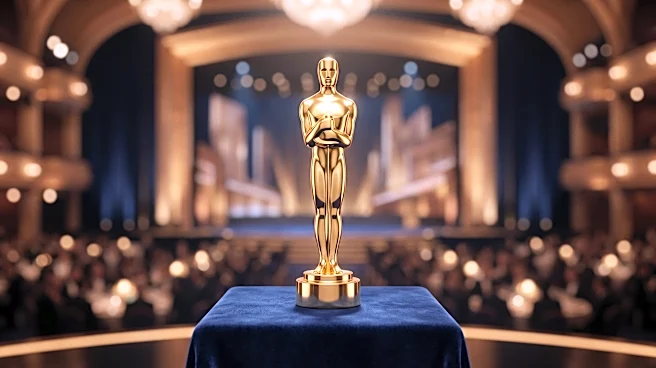
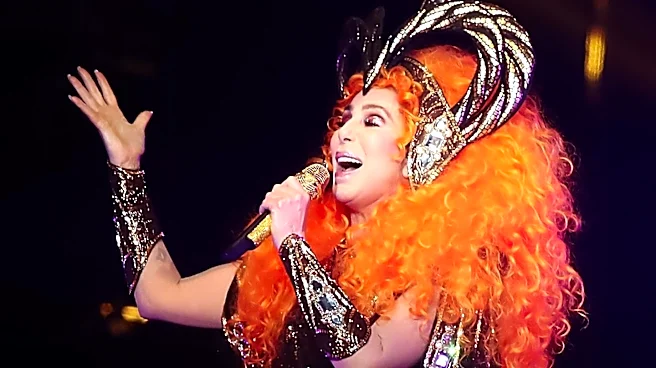
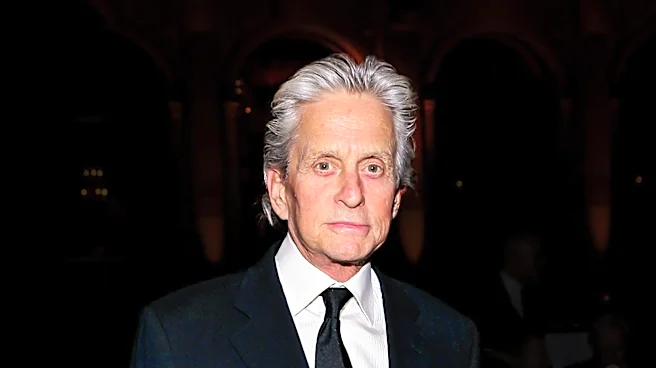
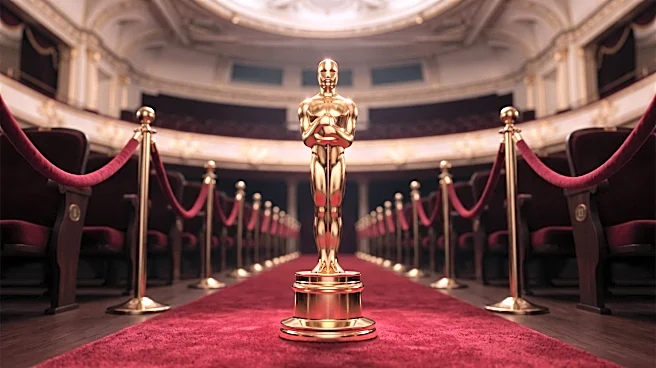
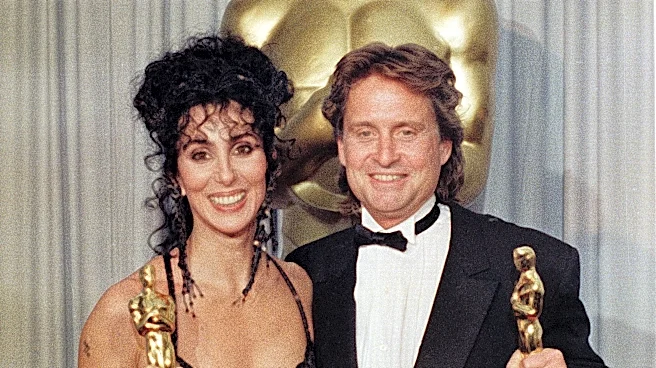
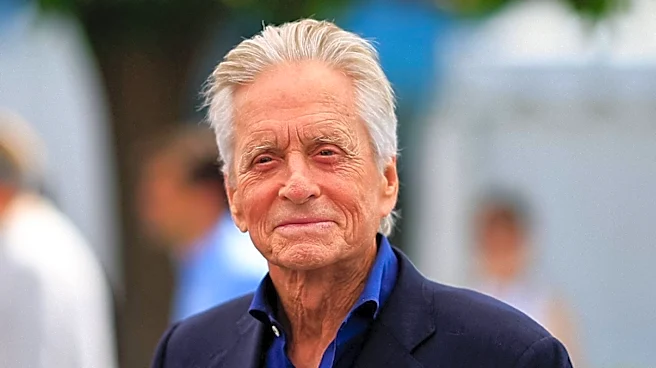
Cher's representative has issued a four-word response to Michael Douglas's recent remarks concerning her 1988 Academy Award win. During an appearance on 'The Graham Norton Show' on October 30, Douglas expressed his belief that Glenn Close should have
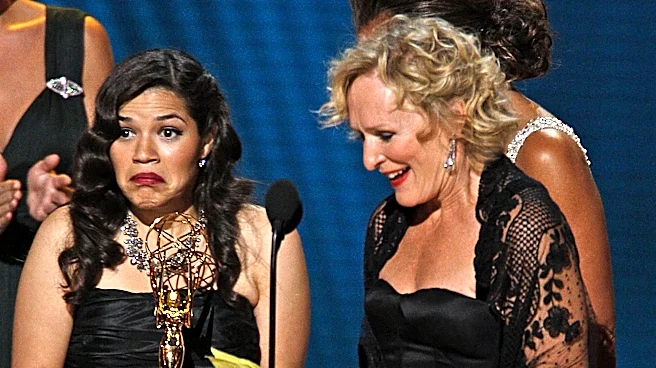
won the Oscar for her performance in 'Fatal Attraction' that year, rather than Cher. Douglas, who won Best Actor for 'Wall Street' at the same ceremony, stated, 'She should have won with Fatal Attraction,' and when host Graham Norton noted that Cher won, Douglas dryly added, 'I know, that's what we all said.' This comment caused laughter among fellow guests Kieran Culkin and Naomi Ackie, and a visibly stunned Glenn Close. Douglas defended his stance by asserting that 'Glenn gave one of the greatest performances of all time.' In response, Cher's representative told Entertainment Weekly on November 3, 'Cher adores Michael Douglas.'
Why It's Important?
This interaction highlights the enduring nature of discussions surrounding past Academy Award decisions and the subjective nature of artistic recognition. For the entertainment industry, it underscores how public comments from prominent figures can reignite decades-old debates and generate media attention. While seemingly a lighthearted exchange, it touches upon the competitive aspect of awards and the lasting impact of perceived snubs on actors' careers and public perception. The response from Cher's representative, while brief, aims to diffuse any potential tension and maintain a positive public image, emphasizing collegiality within Hollywood despite past competitive outcomes. It also demonstrates how celebrities navigate public commentary and manage their narratives through their representatives.
What's Next?
While no further direct actions are expected from Cher or Michael Douglas regarding this specific exchange, the comments may contribute to ongoing discussions within entertainment circles about the historical accuracy and fairness of past Academy Award decisions. Glenn Close is scheduled to receive an honorary Academy Award later this month, which may provide a platform for further reflection on her career and past nominations. The incident serves as a reminder that public statements by high-profile individuals can continue to resonate and be re-examined, particularly in the context of career retrospectives or award season discussions. Media outlets may continue to reference this exchange as part of broader narratives about Hollywood history and celebrity interactions.
Beyond the Headlines
The exchange between Michael Douglas and Cher's representative, though seemingly minor, reflects deeper currents within the entertainment industry regarding legacy, recognition, and the subjective nature of artistic judgment. It subtly touches upon the pressure actors face to achieve critical acclaim and the long-term impact of awards on their careers. The 'snub' narrative, as highlighted by Douglas, is a common theme in Hollywood, often shaping how an artist's body of work is perceived over time. Furthermore, the immediate and public nature of the response from Cher's representative illustrates the sophisticated public relations strategies employed by celebrities to manage their image and relationships within the industry, even decades after an event. It underscores the continuous interplay between personal opinions, public perception, and professional conduct in the high-stakes world of entertainment.