


What's Happening?
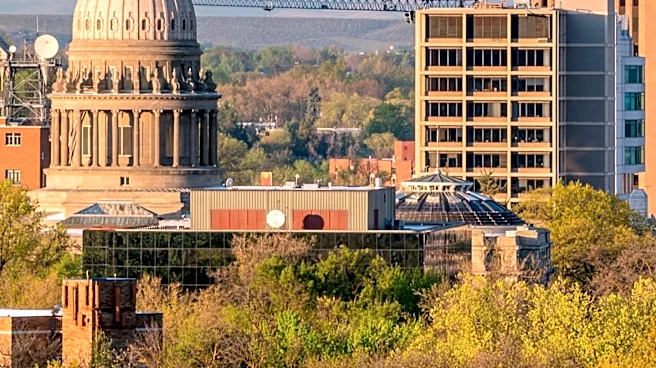
Boise, Idaho, is gaining recognition as a distinctive travel destination, offering a blend of natural beauty, historical significance, and unique cultural experiences. The city boasts a 29-mile greenbelt along the Boise River, featuring paved paths, natural walkways,
and a whitewater park. Historically, the Boise Valley was home to the Shoshone, Bannock, and Northern Paiute tribes before the arrival of white settlers in the 1800s, drawn by gold. The city's name, 'Boise,' originated from French-Canadian fur trappers exclaiming 'Les Bois!' (The Woods!) upon seeing the tree-lined river. Key attractions include the Basque Museum and Cultural Center, which celebrates the region's Basque heritage, and the Idaho Anne Frank Human Rights Memorial, the only one of its kind in the United States. Boise also embraces its potato heritage with various potato-themed culinary experiences and accommodations, such as the Idaho Potato Room at the Inn at 500.
Why It's Important?
The rise of Boise as a travel destination is important for regional economic development, attracting tourism revenue and supporting local businesses, from restaurants to hotels. Its unique blend of outdoor activities, cultural institutions, and historical sites offers a diverse appeal that can draw a wide range of visitors, from nature enthusiasts to history buffs. The presence of the Basque Museum and Cultural Center highlights the rich tapestry of immigrant cultures that have shaped the U.S., while the Anne Frank Human Rights Memorial serves as a significant educational and reflective site on human rights. Furthermore, the city's embrace of its agricultural identity, particularly with potatoes, creates a distinctive brand that differentiates it from other destinations, fostering local pride and unique visitor experiences. This growth in tourism can lead to job creation and infrastructure improvements, benefiting the local community.
What's Next?
As Boise continues to grow in popularity, it is likely to see increased investment in its tourism infrastructure, including new hotels, restaurants, and expanded recreational facilities. Marketing efforts will probably focus on highlighting its unique cultural offerings, such as the Basque heritage and the Anne Frank Memorial, alongside its natural attractions like the Boise River Greenbelt. There may be a push to develop more themed experiences around its potato identity, potentially attracting culinary tourists. The city could also explore expanding its event calendar, building on existing festivals like 'Jaialadi' and Potato Days, to draw more visitors throughout the year. Continued efforts to preserve its historical sites and natural landscapes will be crucial to maintaining its appeal and ensuring sustainable tourism growth.
Beyond the Headlines
Boise's emergence as a travel destination reflects a broader trend of travelers seeking authentic and less-traveled experiences beyond traditional tourist hubs. The city's ability to weave together its indigenous history, European immigrant heritage, and agricultural identity into a compelling narrative offers a model for other mid-sized U.S. cities looking to boost their tourism sectors. The Anne Frank Human Rights Memorial, in particular, elevates Boise beyond mere leisure, positioning it as a place for reflection and education on universal values. This blend of recreation, culture, and profound historical significance contributes to a more meaningful travel experience, potentially fostering a deeper understanding of American history and diversity among visitors. The city's success could also inspire local communities to invest in and celebrate their unique attributes, turning them into economic and cultural assets.