



What's Happening?
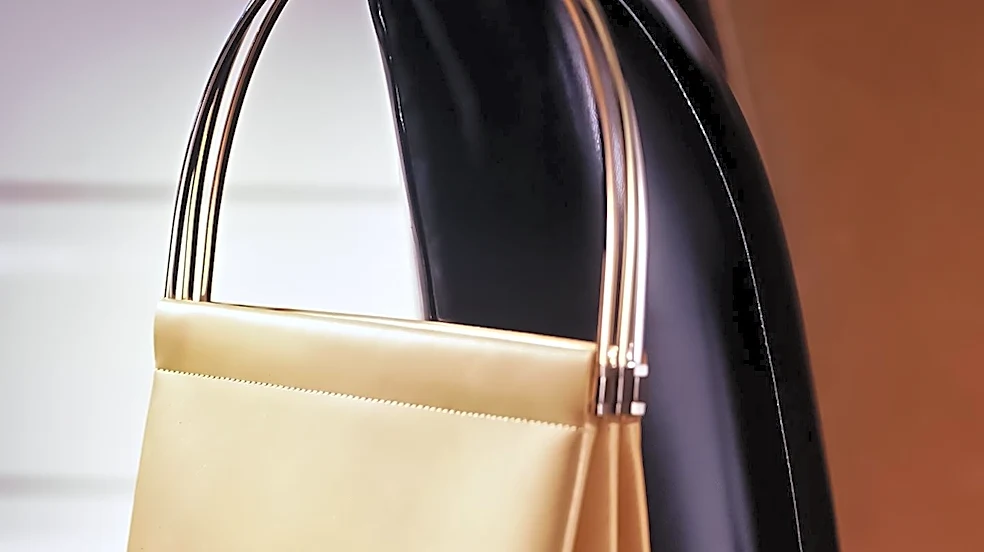
The Row's '90s' bag has emerged as a cult icon in the fashion world, embodying the brand's philosophy of understated elegance and timeless design. Named to evoke the tubular bags popular among supermodels at the turn of the millennium, the bag reflects
a blend of nonchalance and innate sophistication characteristic of that decade. It also serves as an homage to the generation of fashion and designers that inspired The Row's founders. The bag features a structured yet soft and compact silhouette, making it versatile and enduring. It is available in various premium materials, including saddle, small grain, and nubuck, further emphasizing its luxurious appeal. Despite its compact size, the '90s' bag is designed to hold essential items such as a phone, wallet, keys, and makeup, making it a practical choice for everyday use without unnecessary bulk.
Why It's Important?
The success of The Row's '90s' bag highlights a significant trend in the luxury fashion market: a growing consumer preference for timeless, functional, and high-quality pieces over fleeting trends. This shift indicates that consumers are increasingly investing in items that offer longevity and versatility, aligning with a more sustainable and considered approach to fashion. For the U.S. market, where conscious consumerism is on the rise, the bag's popularity underscores a demand for luxury goods that combine aesthetic appeal with practical utility. This trend could influence other designers and brands to focus on creating enduring designs and investing in superior craftsmanship, potentially leading to a broader industry movement away from fast fashion cycles and towards more classic, investment-worthy pieces. The bag's status as a 'cult icon' also demonstrates the power of subtle branding and word-of-mouth in establishing desirability within niche luxury segments.
What's Next?
The continued success of minimalist and timeless designs like The Row's '90s' bag suggests that other luxury brands may increasingly pivot towards similar aesthetics. We might see a surge in collections that emphasize classic silhouettes, high-quality materials, and practical functionality, moving away from overtly branded or trend-driven items. This could lead to a more refined and less ostentatious luxury market. Consumers can expect to see more investment pieces that prioritize durability and versatility. For The Row, this success reinforces its brand identity as a purveyor of sophisticated, understated luxury, likely encouraging the brand to continue developing products that align with this philosophy. The broader fashion industry may also observe how controlled distribution and limited editions contribute to a product's cult status, potentially influencing marketing and sales strategies for other high-end brands.
Beyond the Headlines
The '90s' bag's popularity reflects a deeper cultural shift towards an appreciation for understated luxury and a rejection of overt consumerism. In an era often characterized by rapid trend cycles and social media-driven consumption, the bag's appeal lies in its quiet confidence and enduring style. This could signify a broader societal move towards valuing quality and craftsmanship over brand visibility and fleeting trends. Ethically, this shift supports more sustainable consumption patterns, as consumers are encouraged to buy fewer, higher-quality items that last longer. Legally, the emphasis on unique, timeless designs might also lead to increased protection for design patents as brands seek to safeguard their distinctive aesthetic. Culturally, the bag represents a return to a more classic, less performative approach to personal style, influencing how luxury is perceived and consumed in the U.S. and globally.