







What's Happening?
Mariah Carey has successfully secured the dismissal of a $20 million defamation lawsuit brought against her by her brother, Morgan Carey. The lawsuit stemmed from claims made in her 2020 memoir, 'The Meaning of Mariah Carey,' where she described him as violent
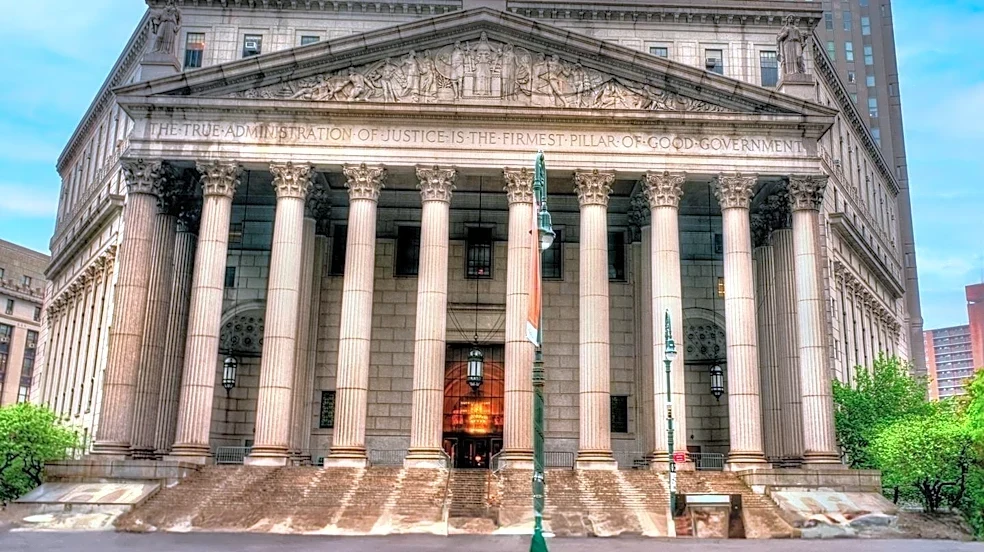
and linked him to drug dealing in the 1980s. Morgan Carey filed the suit in 2021, alleging that these statements damaged his reputation and caused him extreme mental anguish. New York State Supreme Court Justice Leslie A. Stroth granted Mariah Carey's motion to dismiss, ruling that Morgan Carey failed to provide sufficient proof that Mariah Carey made the statements with knowledge of their falsity or with reckless disregard for the truth. This decision follows an earlier ruling in 2022 where 14 of Morgan Carey's 16 claims were dismissed, though two claims related to cocaine sales and being 'in the system' were allowed to proceed before ultimately being dismissed in the latest ruling.
Why It's Important?
This dismissal is significant for Mariah Carey, concluding a multi-year legal battle that began shortly after her memoir's release. Beyond the personal implications for the artist, the ruling has broader importance for authors and publishers. Mariah Carey's lawyer, John Rosenberg, stated that the court's decision affirms broad protection for authors who address matters of public concern in their works. This legal precedent could influence future defamation cases involving memoirs and autobiographical accounts, potentially making it more challenging for individuals to sue authors for statements made about them, provided there is no demonstrable 'actual malice.' It reinforces the legal standard that plaintiffs must prove an author knowingly published false information or acted with reckless disregard for the truth, rather than simply alleging ill will.
What's Next?
Morgan Carey's lawyer, Richard Altman, has indicated that they respectfully disagree with the decision and plan to appeal the dismissal. This suggests that the legal dispute, which has already spanned several years, may continue. If an appeal is filed, the case would move to a higher court, where the previous rulings and evidence would be re-examined. For Mariah Carey, a successful appeal by her brother would mean a continuation of the legal proceedings and associated costs, while a denial of the appeal would solidify the current dismissal. The outcome of any appeal could further shape legal interpretations regarding defamation in memoirs and the burden of proof required from plaintiffs.
Beyond the Headlines
The case highlights the complex legal and ethical considerations surrounding memoirs, particularly when they involve family members and sensitive personal histories. While authors often draw from their lived experiences, these narratives can intersect with the reputations and perceptions of others. The legal requirement to prove 'actual malice' in defamation cases, especially concerning public figures or matters of public interest, aims to balance freedom of speech with protection against reputational harm. This case underscores the tension between an individual's right to tell their story and another's right to protect their character, particularly within the context of family disputes made public through celebrity platforms. The ruling also implicitly touches upon the challenges of verifying historical claims made in personal accounts, especially when direct evidence of falsity or reckless disregard is difficult to establish.