


What's Happening?
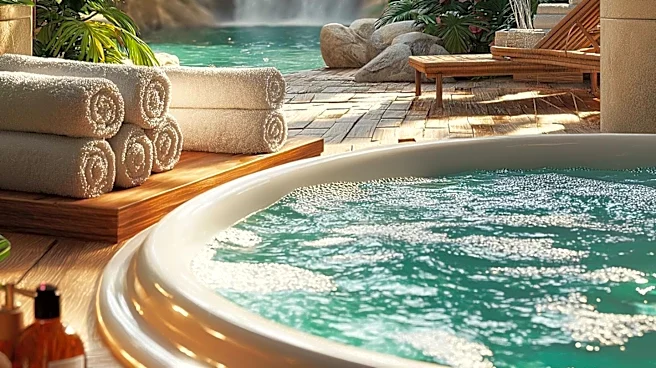
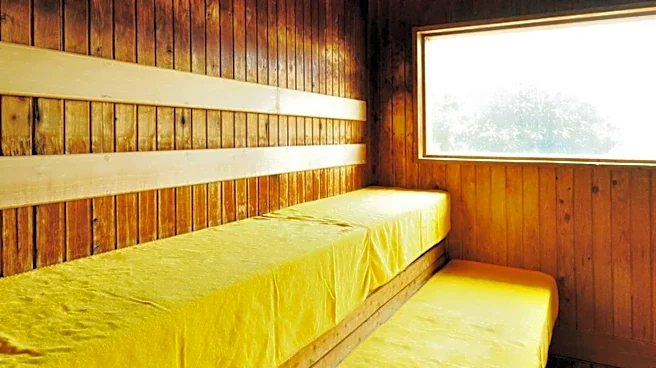
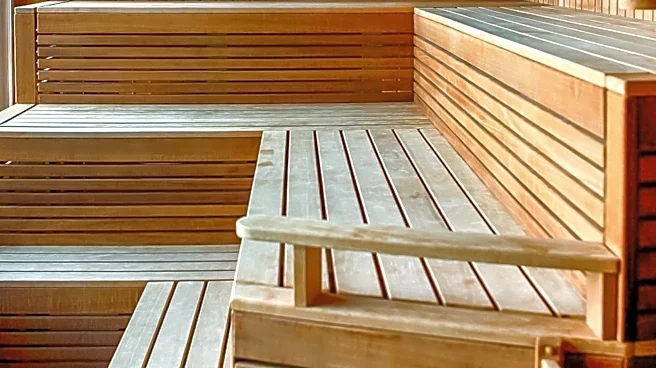
Homeowners are increasingly integrating wellness features, such as cold plunges and saunas, into their living spaces to support health routines. This trend moves beyond traditional gym or spa settings, bringing recovery and well-being directly into the home.
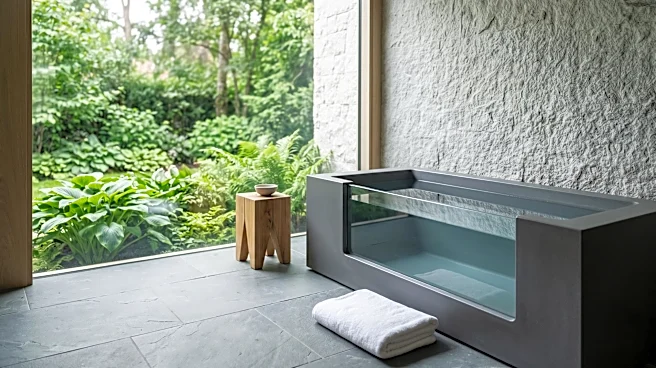
Cold plunges, for instance, can range from basic tubs filled manually to sophisticated systems with filtration, sanitation, insulation, and temperature control. These installations require careful planning, especially for indoor placement, considering factors like floor capacity, drainage, waterproofing, ventilation, and maintenance access. Outdoor installations also need stable bases and protection from weather. The goal is to create convenient and accessible wellness options that homeowners will consistently use, rather than becoming unused purchases.
Why It's Important?
This shift towards in-home wellness solutions signifies a broader change in how Americans view and design their living environments. It reflects a growing emphasis on proactive health management and personal well-being, moving beyond mere aesthetics to consider how spaces impact daily routines and overall health. For the U.S. housing and home improvement industries, this trend opens new markets for specialized products and services, from advanced cold plunge systems to professional installation and maintenance. It also highlights a potential increase in demand for homes designed with wellness amenities, influencing architectural trends and property values. Consumers stand to gain greater convenience and accessibility to health practices, potentially leading to improved physical and mental well-being, while businesses in the wellness and home renovation sectors can capitalize on this evolving demand.
What's Next?
The integration of wellness features into homes is expected to continue expanding, with further innovations in design and technology. Manufacturers will likely develop more compact, efficient, and user-friendly cold plunge and sauna systems tailored for residential use. Home builders and architects may increasingly incorporate dedicated wellness spaces into new constructions, making these features standard rather than luxury add-ons. We can also anticipate a rise in specialized contractors and designers focusing on home wellness installations, offering expertise in areas like structural considerations, plumbing, and climate control. Additionally, the market for smart home wellness technology, such as integrated monitoring systems for air quality and temperature, is poised for growth, further enhancing the functionality and appeal of these in-home health solutions.
Beyond the Headlines
Beyond the immediate benefits of convenience and health, the rise of in-home wellness features like cold plunges reflects a deeper cultural shift towards self-care and personalized health experiences. This trend challenges the traditional reliance on external institutions for wellness, empowering individuals to take greater control over their health routines within their personal spaces. It also raises questions about accessibility and equity, as sophisticated home wellness systems can be a significant investment, potentially widening the gap between those who can afford such amenities and those who cannot. Furthermore, the emphasis on creating 'recovery areas' at home underscores a societal recognition of the importance of stress reduction and physical recuperation in an increasingly demanding world, transforming homes into sanctuaries for holistic well-being.