









What's Happening?
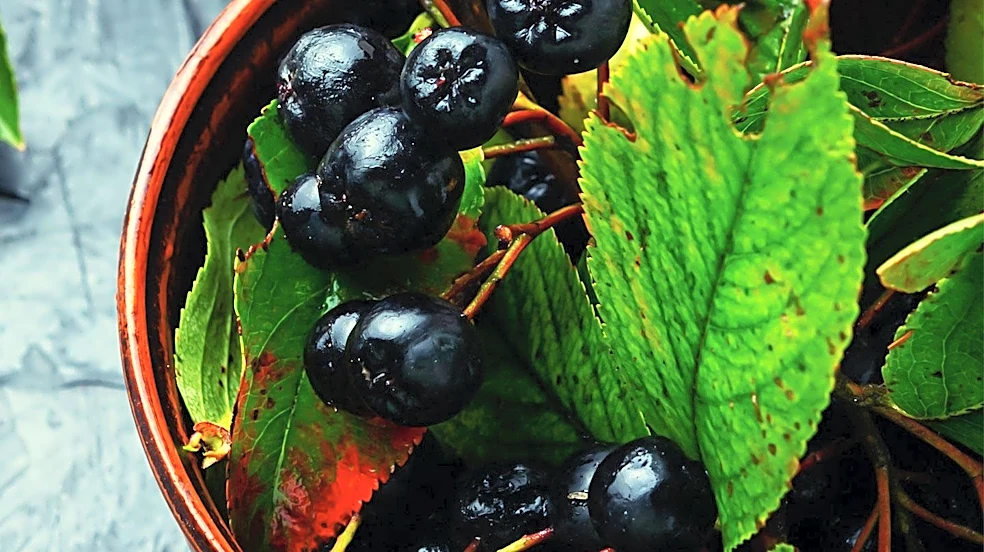
Chokeberry shrubs are being highlighted as an excellent choice for home gardens due to their multi-seasonal appeal and benefits for wildlife. According to Michael Jesiolowski, Plant Clinic manager of The Morton Arboretum in Lisle, these native shrubs offer
bright fall color, spring blooms, and provide a useful food source for birds, especially in late winter. Chokeberries thrive in well-drained soil and full sun, though they can tolerate partial shade, and are hardy in Zones 5 and 6. While not fast growers, they can live for many years in suitable conditions. The berries are notably astringent but can be used to make jams and jellies due to their high pectin content. It is important to distinguish chokeberry from chokecherry, as the latter has toxic stems, leaves, and seeds. Chokeberries are thicket-forming, spreading by sending up new stems, which can be managed through pruning to control size and maintain shrub health.
Why It's Important?
The recommendation of chokeberry shrubs for home gardens is significant for promoting native plant species and supporting local ecosystems. By choosing native plants like chokeberries, gardeners can contribute to biodiversity, provide essential food sources for local wildlife, particularly birds, and reduce the need for intensive landscape maintenance often associated with non-native species. This aligns with broader ecological efforts to create more sustainable and resilient urban and suburban environments. The emphasis on their year-round aesthetic appeal—from spring blooms to fall foliage and winter berries—encourages homeowners to select plants that offer continuous visual interest, moving beyond purely seasonal considerations. Furthermore, educating the public about the distinction between chokeberry and chokecherry highlights the importance of plant identification for safety, especially when considering edible uses of berries, thereby promoting responsible gardening practices.
What's Next?
Gardeners and homeowners in the Chicago area and similar climate zones are encouraged to consider incorporating chokeberry shrubs into their landscaping plans. Nurseries are likely to see increased interest in black chokeberry (Aronia melanocarpa) and red chokeberry (Aronia arbutifolia), as these are the most readily available species. Cultivars like Iroquois Beauty™ black chokeberry and Brilliant Red chokeberry are specifically mentioned for their desirable traits, such as compact size or showy fall color, which may influence purchasing decisions. The Morton Arboretum's Plant Clinic continues to offer advice for tree and plant care, suggesting ongoing support for those looking to cultivate these shrubs. Educational efforts will likely continue to focus on proper planting, care, and pruning techniques, as well as the ecological benefits of native plants, to ensure successful integration into home gardens and broader landscapes.
Beyond the Headlines
The promotion of native plants like chokeberries reflects a growing trend towards ecological gardening and rewilding urban spaces. This movement goes beyond mere aesthetics, aiming to restore ecological functions within human-dominated landscapes. By encouraging the use of plants that are naturally adapted to local conditions, there is a reduced reliance on water, fertilizers, and pesticides, contributing to more sustainable land management practices. The focus on providing food for wildlife, particularly birds, underscores the role of individual gardens in creating habitat corridors and supporting local fauna, which are often under pressure from habitat loss. This shift in gardening philosophy suggests a deeper understanding of the interconnectedness between human environments and natural ecosystems, fostering a sense of stewardship among homeowners and promoting a more harmonious coexistence with nature in residential areas.