





What's Happening?
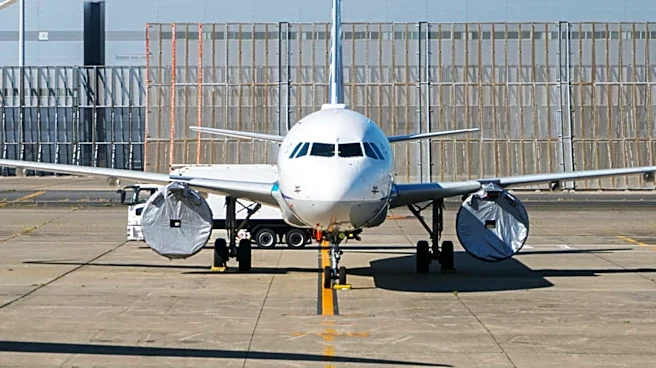
Avsoft International, a Canadian provider of aviation training materials, has developed and released a custom Boeing 757-200PCF Aircraft Systems course specifically for Kalitta Charters, a U.S.-based cargo carrier. This new course consists of 25 modules
that cover the components, operations, controls, and indicators associated with each aircraft system on the Boeing 757-200PCF freighter. The Boeing 757-200PCF is a modified version of the Boeing 757-200 passenger aircraft, converted into a dedicated freighter by Precision Aircraft Conversions. The course also includes coverage of the Rolls-Royce RB211-535E4 engines and is designed for both initial and recurrent training for pilots and maintenance personnel. Each module concludes with a test, and a certificate is issued upon successful completion. Airlines and Approved Training Organizations (ATOs) have the flexibility to edit test questions and create a final exam to align the training with their specific operational requirements. The Boeing 757-200PCF is certified by multiple international aviation authorities, including the FAA, EASA, CAAC, Brazil, and Russia, with over 120 aircraft currently in service globally.
Why It's Important?
This development is significant for the U.S. cargo aviation industry, particularly for Kalitta Charters, as it enhances the safety and operational efficiency of their Boeing 757-200PCF fleet. By providing specialized and comprehensive training, Kalitta Charters can ensure its flight crews and maintenance personnel are thoroughly proficient with the specific systems of this freighter aircraft. This tailored training can lead to reduced operational errors, improved maintenance practices, and ultimately, a safer and more reliable cargo transport service. For Avsoft International, this custom course strengthens its position as a key provider of aviation training solutions, demonstrating its capability to meet the specific needs of major cargo carriers. The widespread certification and global deployment of the Boeing 757-200PCF underscore the importance of specialized training for this aircraft type, benefiting the broader logistics and supply chain sectors that rely on efficient air cargo operations. The ability for airlines to customize test questions further ensures that the training directly addresses their unique operational contexts and regulatory compliance needs.
What's Next?
Kalitta Charters will integrate this new Boeing 757-200PCF Aircraft Systems course into its training programs for both new and existing personnel. This will likely involve scheduling training sessions and ensuring all relevant staff complete the modules and pass the associated tests. The SCORM-compliant nature of the course means it can be delivered on various Learning Management Systems (LMS), offering flexibility in its implementation. Avsoft International may leverage this successful collaboration to develop similar custom training solutions for other aircraft types or for other cargo and passenger carriers globally. The ongoing use and feedback from Kalitta Charters could also lead to future updates or enhancements to the course content. The continued operation of over 120 Boeing 757-200PCF aircraft worldwide suggests a sustained demand for specialized training and support for this freighter model, indicating potential for further growth in this niche aviation training market.
Beyond the Headlines
The development of highly specialized training courses like this highlights a broader trend in the aviation industry towards customized and technology-driven learning solutions. As aircraft become more complex and specialized, generic training programs often fall short of addressing the unique operational nuances of specific models and configurations. This custom course for the Boeing 757-200PCF reflects an industry-wide commitment to safety and operational excellence, where tailored education is seen as a critical investment. Furthermore, the collaboration between a U.S. cargo carrier and a Canadian training provider underscores the international nature of aviation and the global standards that govern aircraft operations and personnel training. This approach to training not only mitigates risks but also contributes to the long-term sustainability and competitiveness of air cargo operations, which are vital for global trade and supply chains. The emphasis on initial and recurrent training also points to the continuous learning requirements in a rapidly evolving technological landscape within aviation.