

What's Happening?
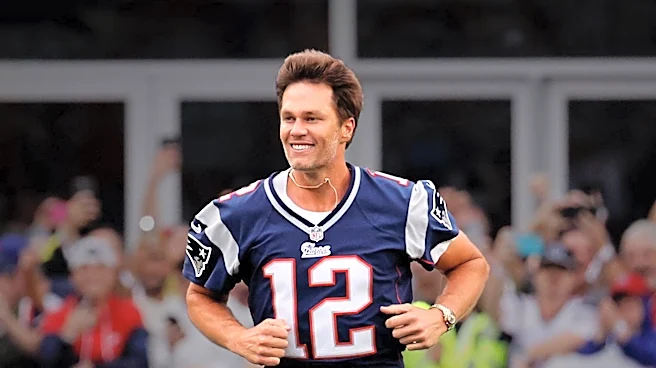
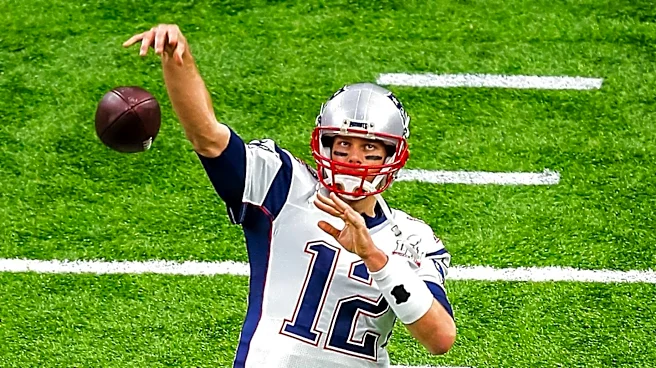
Tom Brady, the seven-time Super Bowl champion, has publicly called for the NFL to transition from artificial turf to natural grass fields across all stadiums. Brady emphasized that the long-term strain on players' bodies caused by artificial surfaces
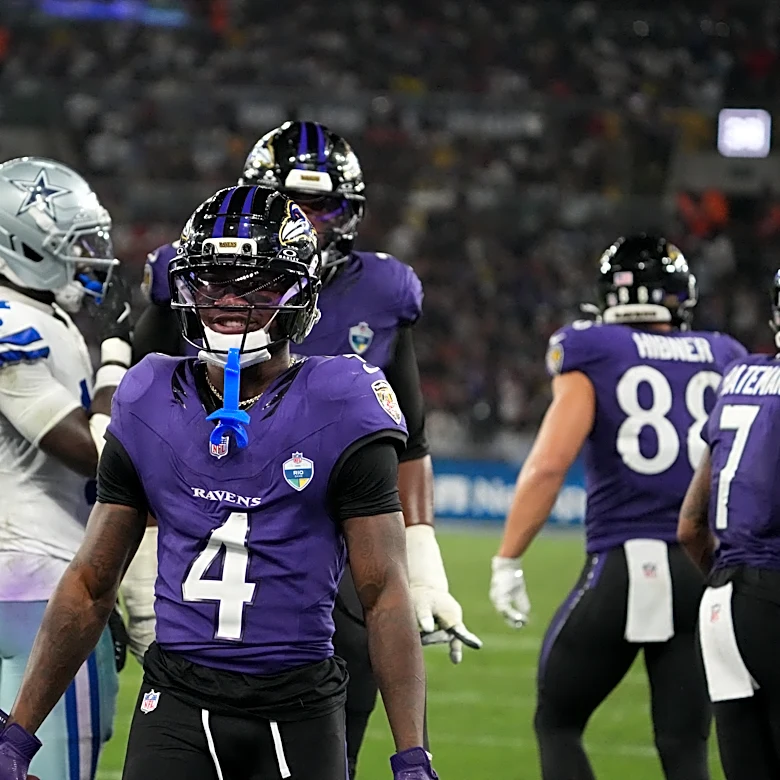
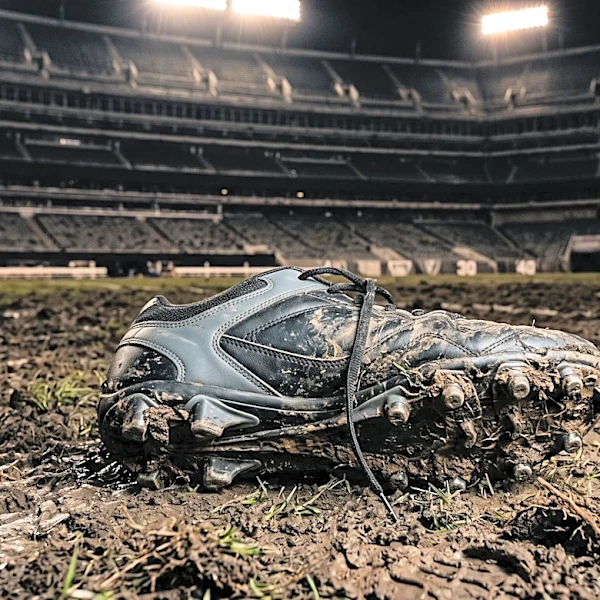
makes this change crucial for player safety. His comments come amidst increasing pressure on NFL Commissioner Roger Goodell and league officials, particularly after a recent Ravens-Cowboys game in Brazil featured a mixed surface that drew widespread criticism. Brady highlighted that the issue extends beyond professional players, affecting high school and college athletes who spend years on synthetic surfaces before potentially reaching the NFL. He noted that while natural grass fields might be slick or muddy, he prefers falling on grass over turf due to the reduced impact on the body. Brady's argument also delves into the technical aspects, explaining how different surfaces affect cleat choice and the generation of force during play. Currently, only half of the NFL's 32 teams utilize natural grass, with the remainder playing on artificial turf.
Why It's Important?
This advocacy from a highly respected figure like Tom Brady carries significant weight, potentially accelerating a league-wide shift towards natural grass. Player safety is a paramount concern in professional sports, and injuries sustained on artificial turf can have career-altering consequences, impacting athletes' livelihoods and the quality of play. A move to natural grass could reduce the incidence of certain types of injuries, thereby extending player careers and preserving the talent pool in the NFL. For team owners, the decision involves balancing the maintenance costs of natural grass against the potential financial losses incurred from star players being sidelined due to turf-related injuries. The NFL Players Association has consistently supported natural grass, aligning with Brady's stance. This debate underscores a broader tension between operational costs and athlete well-being, with the outcome potentially setting a new standard for playing surfaces in professional football and influencing lower-level leagues.
What's Next?
The mounting pressure from prominent figures like Tom Brady and the NFL Players Association will likely force Commissioner Roger Goodell and league owners to seriously re-evaluate the widespread use of artificial turf. While a complete overhaul may not happen immediately due to logistical and financial considerations, individual teams, such as Seattle, are already considering or implementing grass conversions. Brady's ownership role with the Las Vegas Raiders, who play on Bermuda grass, further amplifies his influence on this issue. Future discussions will likely involve detailed cost-benefit analyses, exploring advanced natural grass technologies, and potentially phased implementation plans. The league may also face increased scrutiny from fans and media regarding player injury rates on different surfaces. The long-term goal would be to establish a league-wide standard that prioritizes player health, potentially leading to significant investments in stadium infrastructure and field maintenance.
Beyond the Headlines
Beyond the immediate concerns of player safety and financial implications, the debate over playing surfaces touches upon the evolving understanding of athletic performance and longevity. Brady's emphasis on the cumulative wear and tear on bodies from artificial turf highlights a shift towards a more holistic view of athlete well-being, moving beyond immediate injury prevention to long-term health. This discussion could also spark innovation in sports science and field technology, as researchers and engineers seek to develop safer and more sustainable playing surfaces. Furthermore, the influence of a single, highly respected athlete like Brady in driving significant policy changes within a major sports league demonstrates the power of athlete advocacy. This could inspire athletes in other sports to speak out on similar issues affecting their health and careers, potentially leading to broader reforms in sports infrastructure and player welfare across various professional leagues.