

What's Happening?
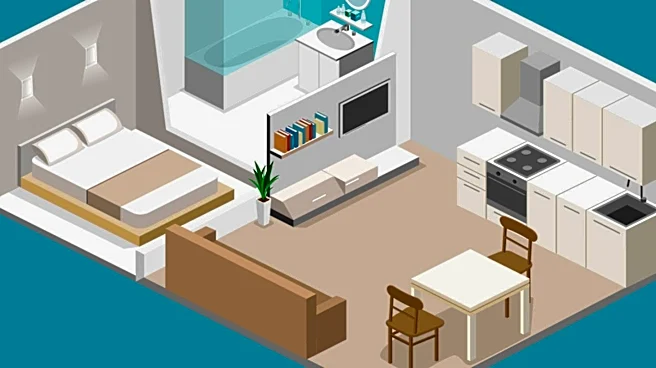
Taskrabbit, a home services platform, has observed a significant increase in demand for home organization services. Data collected from January through July indicates a 188% year-over-year surge in apartment organization requests. This trend extends to
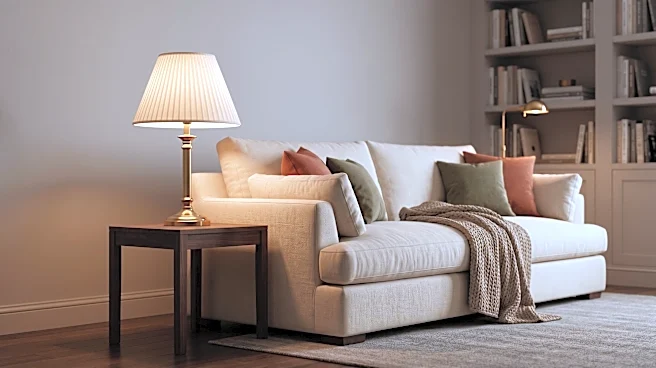
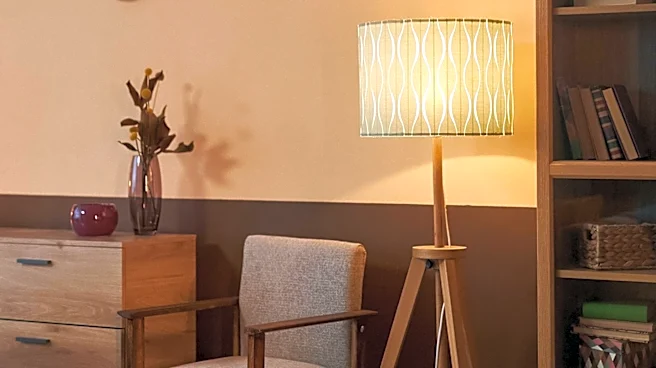
other areas of the home, with bathroom organization requests rising by 91% and kitchen organization requests increasing by 71%. The platform's analysis suggests that individuals in smaller living spaces, such as apartments, are particularly driving this demand, likely due to limited square footage making clutter more noticeable and functional space more critical. The need for professional assistance in implementing effective storage solutions is highlighted as a key factor behind the surge. Beyond organization, Taskrabbit also noted increased interest in ambient lighting solutions, with under-cabinet lighting and plug-in sconces seeing a 98% rise, and wall decor services like temporary wallpaper installation (up 50%) and wall decal additions (up 39%).
Why It's Important?
This surge in home organization requests reflects a broader shift in consumer priorities towards creating more functional and aesthetically pleasing living environments, especially in urban areas where space is often at a premium. For the home services industry, this trend signifies a growing market for professional organizers and related service providers, potentially leading to increased job opportunities and specialized business growth. The emphasis on apartment organization underscores the challenges faced by urban dwellers in managing clutter within confined spaces, suggesting a sustained demand for innovative storage solutions and expert guidance. The parallel rise in requests for ambient lighting and wall decor indicates a holistic approach to home improvement, where organization is part of a larger effort to enhance comfort and visual appeal. This trend could influence product development in the home goods sector, with a greater focus on space-saving, multi-functional, and aesthetically integrated organizational tools.
What's Next?
The continued demand for home organization services is likely to drive further innovation within the home services sector. We can anticipate an increase in specialized offerings from platforms like Taskrabbit, potentially including subscription-based organization plans or partnerships with interior designers. For consumers, this means more accessible and diverse options for professional help in decluttering and optimizing their living spaces. The home goods market may also see a proliferation of products designed for small-space living, such as modular furniture, vertical storage solutions, and smart organizational tools. Furthermore, as more people seek professional help, there could be a rise in educational content and workshops focused on DIY home organization strategies, empowering individuals to tackle smaller projects themselves while reserving professional services for more extensive needs. This trend could also influence real estate markets, with organized and functional spaces becoming a more significant selling point for apartments and smaller homes.
Beyond the Headlines
The growing emphasis on home organization extends beyond mere tidiness; it reflects a deeper societal shift towards mindfulness, well-being, and efficiency in daily life. A clutter-free environment is often associated with reduced stress and improved mental clarity, suggesting that consumers are investing in organization as a form of self-care. This trend also highlights the evolving relationship between individuals and their living spaces, particularly in an era where homes often serve as offices, gyms, and entertainment hubs. The demand for professional organizers points to a recognition that effective organization requires specialized skills and time, which many individuals may lack. Ethically, this trend could raise questions about consumerism and the constant acquisition of goods, prompting a re-evaluation of what truly constitutes a 'well-organized' home versus one that simply accommodates more possessions. Culturally, it signifies a move towards more intentional living, where every item has a purpose and a designated place, fostering a sense of control and calm in an increasingly chaotic world.