






What's Happening?
The automotive industry is increasingly focusing on decarbonizing its manufacturing processes, moving beyond just reducing tailpipe emissions. This shift is driven by the growing expectations of customers, regulators, investors, and business partners
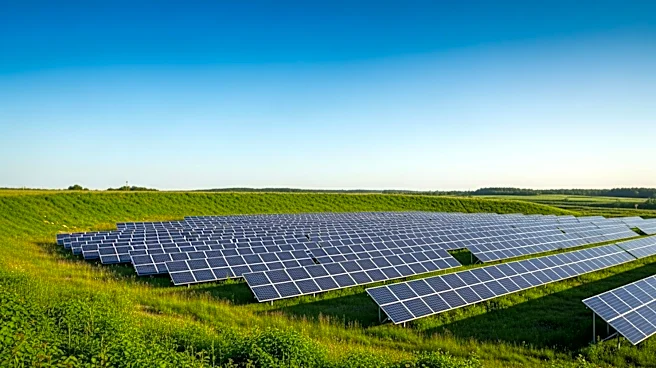
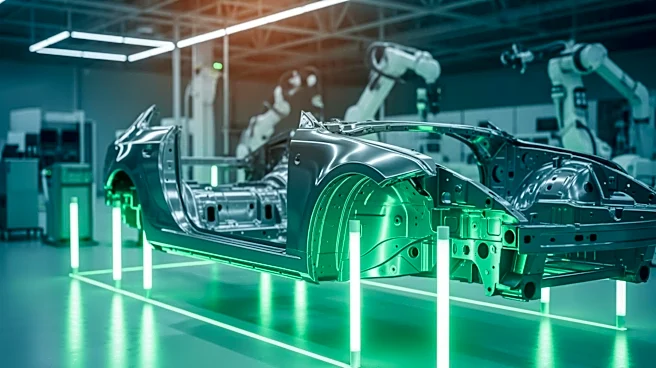
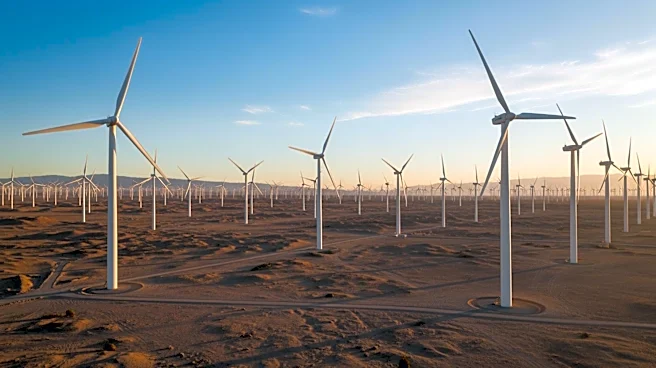
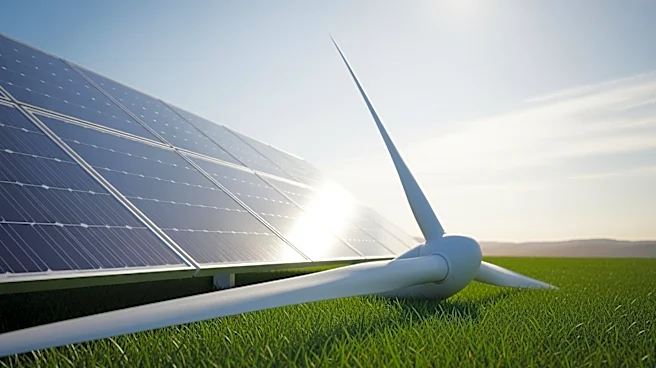
for a comprehensive approach to sustainability. The industry is now considering the entire production and supply chain, including how vehicles are made, the energy sources powering plants, and the carbon footprint embedded across the value chain. The approach involves addressing emissions across three scopes: direct emissions from on-site fuel use (Scope 1), purchased electricity and heat (Scope 2), and upstream and downstream emissions from materials and logistics (Scope 3). Manufacturers are adopting strategies such as improving energy efficiency, transitioning to renewable energy sources, and implementing smart factory designs to reduce emissions.
Why It's Important?
This shift in focus is significant as it represents a broader commitment to sustainability within the automotive industry, which is a major contributor to global carbon emissions. By addressing emissions across the entire production process, the industry can significantly reduce its environmental impact. This move is also crucial for meeting regulatory requirements and aligning with global climate targets, such as those set by the Paris Agreement. Companies that successfully implement these changes can enhance their reputation, meet consumer demand for sustainable products, and potentially gain a competitive advantage. However, the transition requires substantial investment in new technologies and processes, which could impact profitability in the short term.
What's Next?
The automotive industry is expected to continue its efforts towards decarbonization by adopting a mix of clean electricity, optimized processes, and design choices that reduce material intensity and waste. Companies will likely focus on setting clear emissions boundaries, consistent methodologies, and independently validated targets to ensure their decarbonization efforts are credible and measurable. The success of these initiatives will depend on the industry's ability to translate strategy into measurable operational progress across plants, processes, and supply chains. Stakeholders will closely monitor these efforts to assess their alignment with global sustainability frameworks.