






What's Happening?
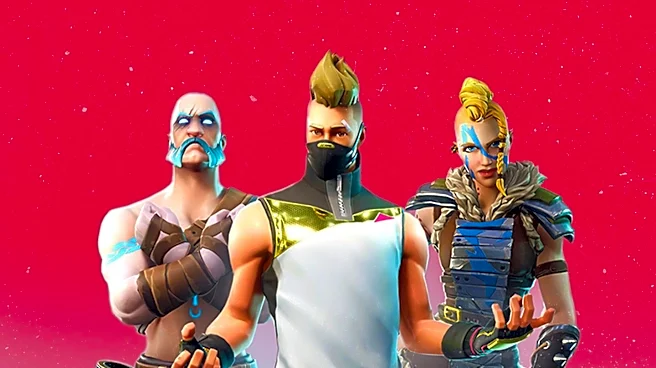
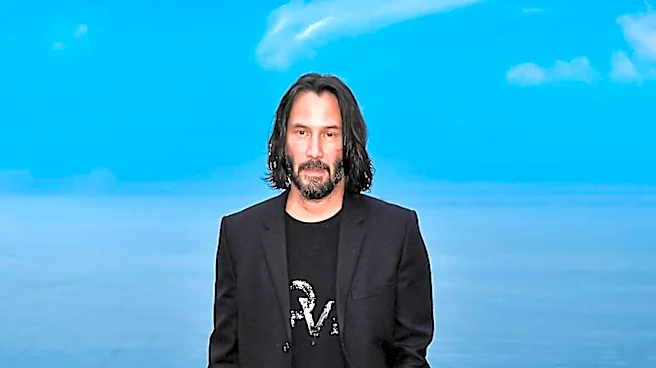
Actor Ben Affleck recently disclosed on the "New Heights" podcast that he frequently engages in trash talk with children online while playing the popular multiplayer game Fortnite. Affleck, who is promoting his crime-thriller film "Animals," shared that he often
finds himself outmatched by younger players, leading to taunts and arguments in the game's chat. He recounted instances where 12-year-olds would defeat him and then verbally abuse him, to which he would respond defensively, asserting his adult status. Affleck also mentioned that the costumes, or 'skins,' in his new film were inspired by those found in Fortnite, highlighting the game's cultural impact. He noted the high cost of some exclusive in-game skins, which his son has requested for Christmas.
Why It's Important?
Ben Affleck's candid admission sheds light on the pervasive and often unfiltered nature of online gaming communities, particularly in popular titles like Fortnite, where players of all ages interact. His experience underscores the challenges adults face when engaging with younger, often more skilled, and sometimes aggressive players in competitive online environments. This phenomenon raises questions about online etiquette, parental supervision in gaming, and the psychological impact of such interactions on both children and adults. Furthermore, Affleck's comments about Fortnite's influence on his film's costume design illustrate the growing crossover between video game culture and mainstream entertainment, demonstrating how games are increasingly shaping broader artistic and cultural trends. The discussion about expensive in-game skins also highlights the significant economic model of free-to-play games, where virtual cosmetics drive substantial revenue, influencing consumer behavior and parental spending.
What's Next?
Ben Affleck's comments are likely to spark further discussion among parents, gamers, and cultural commentators regarding online behavior and the dynamics of intergenerational interaction in digital spaces. His experience may encourage more open conversations about managing online interactions, particularly for younger players, and the role of parents in monitoring their children's online gaming activities. For the gaming industry, such high-profile anecdotes can draw attention to the need for robust reporting mechanisms and community guidelines to foster more respectful online environments. The continued influence of games like Fortnite on other media, as seen in Affleck's film, suggests a future where gaming aesthetics and narratives will increasingly permeate mainstream culture, leading to more collaborations and cross-promotional opportunities between the entertainment and gaming sectors. The demand for expensive in-game items will likely continue, prompting ongoing debates about value and virtual economies.
Beyond the Headlines
Affleck's experience transcends a simple celebrity anecdote, touching upon deeper societal implications of digital interaction. The anonymity and competitive nature of online gaming can often lead to a breakdown of traditional social norms, fostering environments where aggressive communication is common. This raises ethical questions about the responsibility of game developers to moderate content and promote positive player behavior, as well as the broader societal challenge of teaching digital citizenship. The blurring lines between virtual and real-world economies, exemplified by the high cost of digital skins, also prompts reflection on consumerism in the digital age and the psychological value placed on virtual possessions. Moreover, the cultural impact of Fortnite, influencing everything from film costumes to everyday conversations, signifies its role not just as a game, but as a significant cultural touchstone that shapes contemporary youth culture and beyond.