






What's Happening?
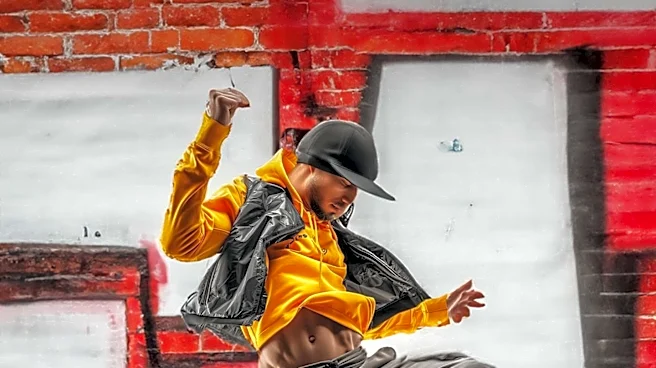
Hip-hop culture, originating in New York City's urban communities during the 1970s, has transformed into a global phenomenon impacting music, art, fashion, and language. Its foundational artistic elements include DJing, MCing (rapping), breaking, and graffiti
writing, which collectively fostered a space for self-expression, community, and competition. Raptology, a platform dedicated to documenting hip-hop history, emphasizes that while rap music is a prominent component, hip-hop encompasses a broader spectrum of art forms, communities, histories, and social practices. The culture continues to evolve, with new artists and trends constantly emerging, demonstrating its dynamic nature and enduring influence beyond its commercial visibility.
Why It's Important?
The evolution of hip-hop culture is significant due to its profound impact on American society and global cultural landscapes. It provided a vital outlet for creative expression within urban communities, offering a voice and platform for narratives that might otherwise have been unheard. Its influence extends across various industries, from music and fashion to visual arts and language, shaping trends and creating substantial economic opportunities. The continuous innovation within hip-hop ensures its relevance and ongoing contribution to cultural discourse, highlighting its role as both a collection of artistic practices and a continually evolving cultural movement. Understanding its origins and development is crucial for appreciating its lasting legacy and future trajectory.
What's Next?
The future of hip-hop culture is poised for continued evolution and innovation. As new artists and trends emerge, the culture will likely explore new forms of expression and adapt to changing social and technological landscapes. Platforms like Raptology will continue to play a role in preserving its history and documenting its ongoing development, ensuring that the stories of its pioneers and the nuances of its artistic elements are not lost. The interplay between its commercial success and its roots in community-based artistic practices will remain a key dynamic, influencing how hip-hop continues to reinvent itself and maintain its cultural impact.
Beyond the Headlines
Beyond its commercial success and mainstream recognition, hip-hop culture carries deeper implications related to identity, social commentary, and artistic innovation. It has consistently served as a powerful medium for addressing social conditions, challenging norms, and fostering a sense of belonging among diverse communities. The emphasis on competition within elements like battle rap also highlights a unique aspect of its cultural fabric, promoting skill development and creative rivalry. The ongoing preservation of hip-hop history, including the stories of its originators and the social conditions that birthed it, is crucial for understanding its ethical and cultural dimensions, ensuring that its authentic spirit continues to inspire future generations.