







What's Happening?
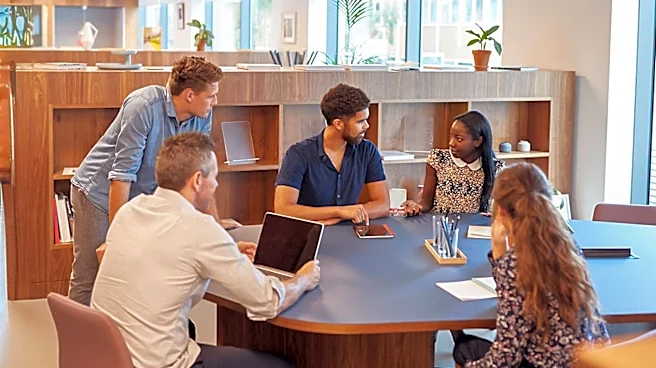
Modern meeting rooms are evolving beyond traditional presentation spaces to become multipurpose hubs for various business activities, including content creation. Companies are increasingly repurposing these rooms into small-format production studios to meet the rising
demand for video content in corporate communications, marketing, and training. These redesigned spaces are equipped with features like good acoustics, proper lighting, and recording equipment, enabling organizations to produce professional-quality videos, podcasts, executive updates, and internal announcements efficiently and cost-effectively. This shift reduces the need for external studio rentals and maximizes the utility of existing real estate investments. Additionally, these flexible meeting rooms are also being adapted for hybrid brainstorming, employee training, client engagement, and even employee wellness activities, reflecting a broader trend in optimizing workplace environments.
Why It's Important?
The transformation of meeting rooms into content creation studios signifies a significant shift in how U.S. businesses approach internal and external communication. This trend allows companies to enhance their digital presence and marketing efforts without incurring substantial external costs, directly impacting their operational budgets and marketing strategies. For industries heavily reliant on digital content, such as tech, media, and e-learning, this internal capability fosters greater agility and control over their messaging. It also creates new opportunities for technology providers specializing in audio-visual equipment, collaboration tools, and room management services. Furthermore, the emphasis on hybrid work and employee wellness within these spaces reflects a growing recognition of the importance of flexible work models and employee well-being, which can lead to increased productivity and employee retention across various sectors.
What's Next?
The trend of repurposing meeting rooms is expected to continue, with more organizations investing in flexible designs and advanced technology to support diverse functions. This will likely drive further innovation in integrated meeting room solutions, including more sophisticated audio-visual systems, interactive displays, and AI-powered collaboration tools. Companies may also explore specialized training programs for employees on content creation and multimedia production to fully leverage these new capabilities. The focus on data-driven insights from room usage will become more prevalent, allowing businesses to continually optimize their spaces based on employee feedback and utilization patterns. This evolution could also lead to new service offerings from workplace experience partners, providing consultancy, integration, and managed services to help organizations adapt their physical spaces to dynamic business needs.
Beyond the Headlines
This evolution of meeting spaces points to a deeper cultural shift in corporate environments, where creativity and collaboration are becoming increasingly integrated into daily operations. The ability to produce high-quality content in-house democratizes content creation, empowering more employees to contribute to a company's narrative and brand identity. This could foster a more dynamic and engaging workplace culture, encouraging innovation and cross-departmental collaboration. Ethically, it raises questions about data privacy and content ownership, especially as more sensitive internal communications are produced and stored. Legally, companies may need to review their policies regarding intellectual property and content usage. Ultimately, this trend underscores the growing importance of digital literacy and multimedia skills across all levels of an organization, shaping the future of work and corporate communication.