




What's Happening?
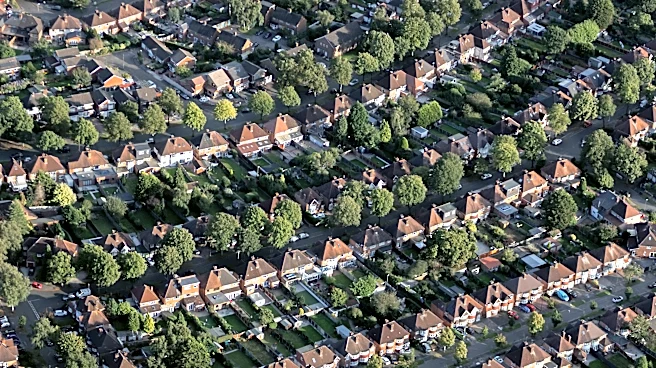
Suburban areas are increasingly being recognized as strategic buffers against urban overtourism, particularly for multi-generational family travelers. According to the 2026 Virtuoso Luxe Report, there is a growing trend towards 'Slow Tourism,' where travelers seek
less crowded, more immersive experiences. This shift is evident in places like Alexandria, Virginia, which offers historical and cultural attractions without the congestion of major urban centers. The Courtyard Alexandria Old Town exemplifies this trend by providing amenities that cater to both business and family travelers, including spacious accommodations and wellness facilities. This development reflects a broader recalibration of travel priorities, emphasizing relaxation and cultural engagement over traditional sightseeing.
Why It's Important?
The emergence of suburban enclaves as preferred travel destinations highlights a significant change in consumer behavior within the tourism industry. As travelers increasingly prioritize comfort and cultural immersion over crowded urban experiences, destinations like Alexandria are poised to benefit economically. This shift could lead to increased investment in suburban hospitality infrastructure, creating new business opportunities and potentially revitalizing local economies. Additionally, this trend may influence urban planning and tourism strategies, encouraging cities to develop sustainable tourism models that balance visitor influx with quality of life for residents. The focus on 'Slow Tourism' also aligns with broader societal trends towards mindfulness and sustainability.
What's Next?
As the trend towards suburban travel destinations continues, hospitality providers in these areas are likely to expand their offerings to meet the growing demand. This could include the development of more family-friendly amenities and cultural experiences that cater to diverse traveler needs. Additionally, local governments may invest in infrastructure improvements to support increased tourism, such as enhanced public transportation and community events. The success of suburban enclaves as travel destinations could also prompt urban centers to reevaluate their tourism strategies, potentially leading to initiatives aimed at reducing congestion and enhancing visitor experiences. This ongoing evolution in travel preferences will likely shape the future of the tourism industry.