





What's Happening?
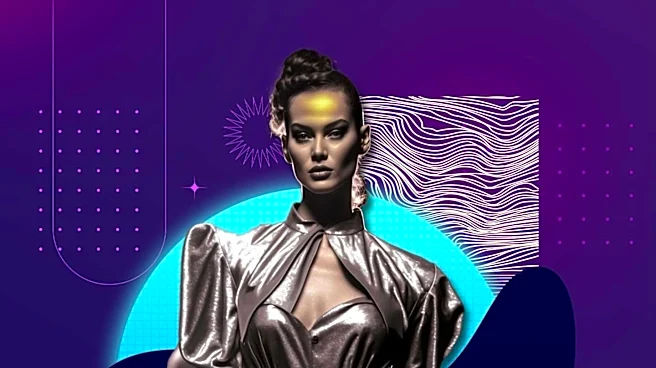
The fashion industry is undergoing a significant transformation with the emergence of digital fashion event models. These virtual representations of brands' and designers' collections utilize advanced technologies to showcase clothing in digital spaces.
This innovative approach allows for remote accessibility, enabling audiences worldwide to experience fashion shows. Digital models also introduce interactive elements, fostering more immersive engagement with collections. Furthermore, this method offers a sustainable alternative to traditional fashion events by reducing environmental impact. The creation of these models involves 3D modeling software for realistic garment replicas, motion capture technology to mimic lifelike movements, and Virtual Reality (VR) and Augmented Reality (AR) applications for immersive audience experiences. Digital fashion event models collaborate closely with designers to ensure accurate and appealing garment representation, contributing to a cohesive brand vision.
Why It's Important?
The rise of digital fashion event models is reshaping marketing strategies and creative processes within the fashion industry. Brands can now reach a global audience through online streaming, overcoming geographical limitations of physical events. This digital shift also provides opportunities for data analytics, allowing brands to collect insights on viewer engagement to better tailor future collections to market demands. For designers, digital models offer unprecedented creative freedom, enabling them to experiment with fantastical environments and showcase garment versatility in ways impossible in physical settings. This evolution also presents significant cost-effectiveness by reducing expenses associated with venue rentals, travel, and logistics, alongside promoting environmental sustainability through a lower carbon footprint compared to traditional shows. This shift impacts the entire supply chain, from design and production to marketing and consumer engagement.
What's Next?
The integration of digital fashion event models is expected to continue expanding, leading to further innovations in how fashion is presented and consumed. While traditional models and events will likely coexist, the digital realm will increasingly offer new avenues for brand engagement and creative expression. Future developments may include more sophisticated interactive experiences, personalized virtual showrooms, and enhanced integration with e-commerce platforms. The industry will likely see continued investment in VR and AR technologies to create even more immersive and realistic digital fashion experiences. Brands and designers will need to adapt to these technological advancements, potentially investing in new skill sets and digital infrastructure to remain competitive. The evolution will also prompt discussions around intellectual property in digital fashion and the standardization of virtual garment representation.
Beyond the Headlines
The shift towards digital fashion event models extends beyond mere technological adoption; it signifies a broader cultural and economic transformation within the industry. Ethically, it raises questions about the future of human models and the potential for job displacement, while also opening new opportunities for digital artists and technologists. Legally, the creation and ownership of digital garments and avatars will necessitate new frameworks for intellectual property rights and digital asset management. Culturally, it challenges traditional notions of fashion exclusivity and accessibility, potentially democratizing fashion by making high-end collections available to a wider, global audience. This evolution could also lead to long-term shifts in consumer behavior, with a growing preference for virtual experiences and sustainable consumption, ultimately redefining the very essence of fashion as both an art form and a commercial enterprise.