








What's Happening?
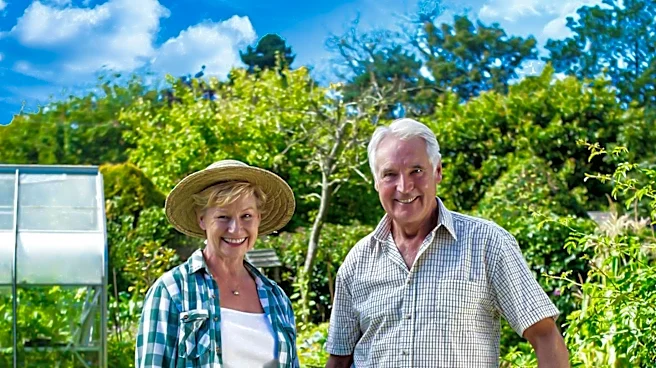
Gardening is recognized as a significant leisure activity for older adults, offering numerous health benefits including stress relief, physical exercise, and cognitive protection. Studies indicate that gardening can improve focus, boost overall health and happiness,
promote positive aging, and potentially reduce the risk of dementia by up to 36%. However, as individuals age, they may encounter mobility, functional, and physical limitations that necessitate adaptations to their gardening practices. To mitigate these challenges, experts recommend breaking tasks into shorter 20-30 minute increments, changing body positions frequently, warming up with stretches before gardening, and taking regular breaks. Utilizing tools like garden benches, long-handled hoes, and ergonomic hand tools can reduce strain. Raised beds and container gardening are also highly recommended as they minimize bending and stretching, making gardening more accessible and less physically demanding for seniors. These adaptations help ensure that older adults can continue to enjoy the therapeutic and physical advantages of gardening safely and effectively.
Why It's Important?
The emphasis on adaptive gardening techniques for older adults is crucial for promoting active and healthy aging within the U.S. population. With a growing senior demographic, activities that support physical and mental well-being are increasingly vital. Gardening provides a low-impact form of exercise that can be tailored to individual capabilities, helping to maintain strength, flexibility, and cardiovascular health. Beyond the physical, the cognitive benefits, such as improved focus and reduced dementia risk, highlight gardening's role in brain health. Socially, gardening can combat isolation, as it often involves community interaction or shared experiences. By providing practical strategies for seniors to continue gardening, this guidance supports a higher quality of life, reduces healthcare burdens associated with sedentary lifestyles, and fosters a sense of purpose and accomplishment among older adults. This approach benefits individuals by extending their independence and contributes to public health by encouraging sustained physical and mental activity.
What's Next?
As awareness of the benefits of gardening for older adults grows, there is a foreseeable trend towards increased development and promotion of adaptive gardening resources and programs. Community gardens and senior centers may expand their offerings to include workshops on ergonomic gardening, raised bed construction, and tool selection tailored for seniors. Horticultural therapy programs, which already utilize gardening for rehabilitation and well-being, could see increased demand and integration into elder care facilities. Manufacturers of gardening tools and equipment are likely to innovate further, developing more lightweight, ergonomic, and assistive devices to meet the specific needs of an aging population. Additionally, public health initiatives might incorporate gardening as a recommended activity for seniors, providing educational materials and support to encourage participation. The focus will likely shift towards creating more inclusive and accessible gardening environments, ensuring that individuals of all ages and physical abilities can partake in this beneficial activity.
Beyond the Headlines
Beyond the immediate health benefits, the promotion of adaptive gardening for older adults touches upon broader societal implications concerning ageism and the value placed on senior contributions. By enabling seniors to continue engaging in productive and enjoyable activities like gardening, society reinforces the idea that older individuals remain active, capable, and valuable members of the community. This can challenge stereotypes about aging and promote intergenerational connections, as gardening often becomes a shared activity across different age groups. Environmentally, encouraging senior gardening can lead to more localized food production, increased green spaces, and greater biodiversity in urban and suburban areas. Ethically, ensuring accessibility to such beneficial activities for all age groups reflects a commitment to inclusive community design and public health equity. The long-term shift could see gardening evolve from a mere hobby into a recognized component of holistic elder care and community planning, fostering healthier, more connected, and age-friendly environments.