






What's Happening?
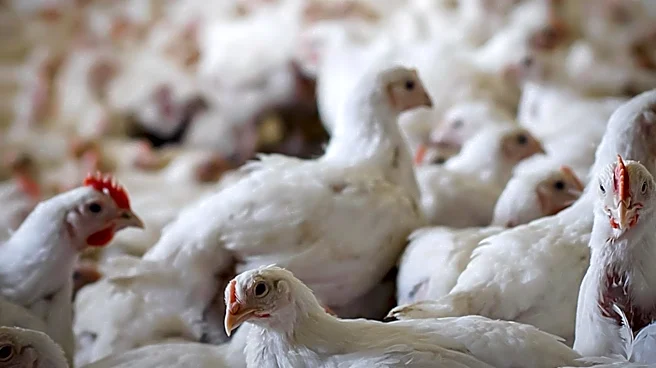
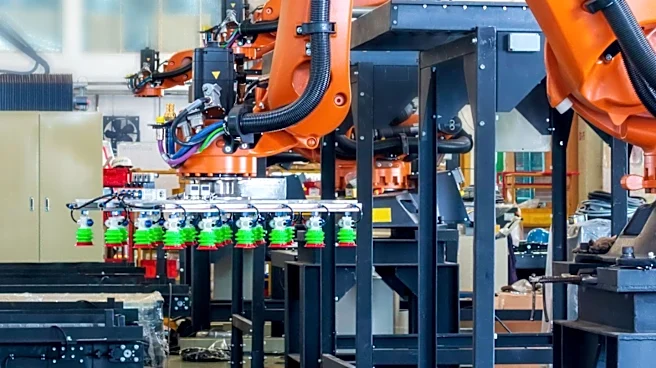
Oman's poultry industry is undergoing a significant transformation through the adoption of robotics and automation. This shift is driven by the need to address high operational costs, particularly for feed and energy, and to meet stringent biosecurity
and animal welfare regulations. Modernization efforts include automated climate-controlled housing, robotic feeding systems, and data monitoring for flock health. These technologies are crucial for improving efficiency, increasing yield, and ensuring compliance with food safety standards. The Omani government's food security strategy is a key driver, pushing for increased local poultry production and investment in modern farming infrastructure. This focus on advanced technology aims to reduce reliance on imports and enhance the competitiveness of local producers against international markets. The integration of automation also helps in reducing labor costs and improving consistency in production, which are vital factors for the Omani market.
Why It's Important?
The adoption of robotics and automation in Oman's poultry farming sector holds significant importance for the U.S. agricultural technology industry and global food security. As Oman seeks to achieve national food self-sufficiency, it creates a substantial market for U.S. manufacturers and suppliers of advanced agricultural equipment and software. This trend highlights a global movement towards precision livestock farming, where continuous individual-animal monitoring through sensors, RFID tags, cameras, and software is becoming standard. U.S. companies specializing in these technologies stand to gain from increased export opportunities and partnerships. Furthermore, the challenges faced by Oman, such as high operational costs and the need for stringent biosecurity, are common across many agricultural regions, making successful technological implementations in Oman a potential blueprint for other markets. The emphasis on reducing labor costs and improving efficiency through automation also reflects a broader economic trend that U.S. agricultural businesses can leverage to enhance their own operations and market offerings.
What's Next?
The future of poultry farming in Oman will likely see continued and accelerated investment in advanced agricultural technologies. This includes further integration of automated feeding, watering, and climate control systems, as well as sophisticated data-driven farm management solutions. Suppliers looking to enter or expand in the Omani market will need to prioritize equipment designed for hot climates, with robust cooling and ventilation, and ensure compliance with GCC certification standards. The Omani government is expected to continue offering incentives, such as subsidized loans and infrastructure support, to local producers to encourage technology adoption and boost domestic production. This will create ongoing demand for innovative solutions that can reduce operational costs, enhance biosecurity, and improve overall farm profitability. Collaborations between Omani poultry producers and international technology providers, including those from the U.S., are anticipated to grow as the industry seeks to optimize its operations and meet national food security goals.
Beyond the Headlines
Beyond the immediate economic and efficiency gains, the widespread adoption of robotics and automation in Oman's poultry industry has deeper implications for labor markets and environmental sustainability. While automation reduces labor costs, it also necessitates a shift in the workforce towards more skilled roles in technology management and maintenance, potentially creating new job opportunities in specialized fields. Environmentally, advanced manure removal systems and data-driven management can significantly reduce the ecological footprint of poultry farming by optimizing resource use and minimizing waste. This aligns with global efforts towards sustainable agriculture and could position Oman as a leader in environmentally responsible food production in the region. The integration of technology also raises ethical considerations regarding animal welfare, as automated systems can provide more consistent and controlled environments, but also require careful monitoring to ensure the well-being of the animals. This technological evolution could set new benchmarks for agricultural practices, influencing policy and investment decisions in other countries facing similar challenges.