


What's Happening?
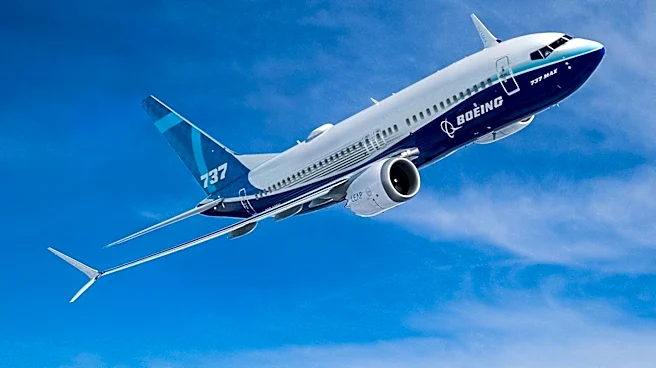
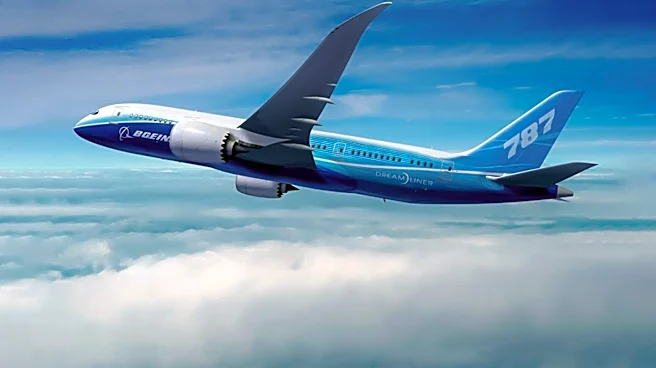
Boeing and Korean Air have finalized an order for 103 aircraft, valued at $36.2 billion at list prices. This significant commitment includes 20 777-9s, 25 787-10s, 50 737-10s, and eight 777-8 freighters. The order is intended to support Korean Air's fleet
expansion following its integration with Asiana Airlines, with approximately 80% of the aircraft slated to replace existing planes. While the list price is substantial, industry estimates, such as those from IBA, suggest the actual value after typical discounts is closer to $12.6 billion. This deal adds considerable visibility to Boeing's commercial backlog, which had already reached over 6,200 aircraft worth $596.7 billion as of June 30, up from $567.3 billion at the end of 2025. Despite this strong demand, Boeing continues to face manufacturing bottlenecks, including wing-supply problems affecting 737 MAX production and slower-than-targeted 787 production rates. Only the 787 in the order is currently certified, with the 777-8 Freighter still under development.
Why It's Important?
This order is crucial for Boeing as it reinforces its long-term delivery pipeline and strengthens its position with a major Asian carrier across narrowbody, widebody, and freighter segments. The commitment provides demand visibility at a time when Boeing's primary constraint is production capacity rather than customer interest. The 737 backlog alone exceeds 4,000 aircraft, extending into the 2030s, and the Korean Air order adds another 50 737-10s to this pipeline. However, the immediate financial benefit is tempered by ongoing execution risks. Boeing's inability to stabilize 737 MAX production at 47 aircraft per month and maintain 787 production at the targeted 10 per month due to supply chain issues means that monetizing this record backlog remains a challenge. Delays in the 777-9 and 777-8F programs could further push revenue and cash flow into the future, impacting Boeing's free-cash-flow expectations, which were already reduced for 2026.
What's Next?
Boeing's immediate focus will be on addressing the manufacturing bottlenecks and stabilizing production rates for its key aircraft programs, particularly the 737 MAX and 787. The company has added its Everett North Line to expand capacity and improve production stability, but the effectiveness of these measures in converting the substantial backlog into deliveries will be closely watched. The development and certification of new aircraft, such as the 777-8 Freighter, are critical for realizing the full value of orders like Korean Air's. The aviation industry will also monitor how Boeing manages its supply chain issues, especially regarding wing supplies for the 737 MAX. The successful integration of these new aircraft into Korean Air's fleet, particularly as it merges with Asiana Airlines, will also be a key indicator of the order's long-term impact and Boeing's ability to support its customers effectively.
Beyond the Headlines
The Korean Air order highlights a broader trend in the aviation industry where strong demand for new aircraft is clashing with persistent manufacturing and supply chain challenges. This dynamic could lead to extended delivery timelines across the industry, potentially impacting airlines' fleet modernization and expansion plans. For Boeing, the situation underscores the delicate balance between securing large orders and the operational realities of production. The reliance on future aircraft models, like the uncertified 777-8 Freighter, also introduces an element of risk, as any further development delays could affect both Boeing's financial performance and customer satisfaction. The competitive landscape with Airbus, which is also facing production constraints, suggests that the ability to efficiently deliver aircraft will be a key differentiator in the coming years, influencing market share and long-term profitability for both manufacturers.