


What's Happening?
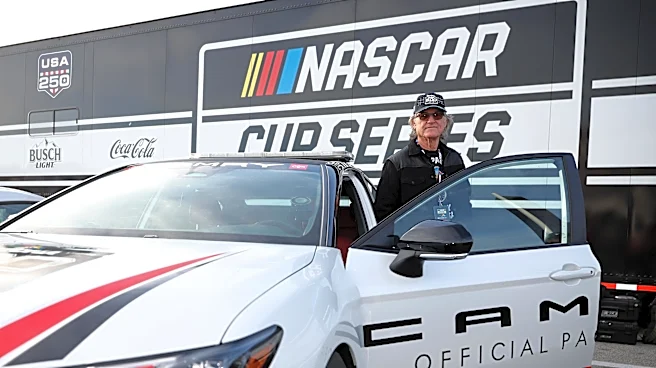
Kenny Wallace, a former Cup Series driver and long-time NASCAR observer, has publicly pushed back against claims that NASCAR's financial foundation is crumbling. Wallace, speaking on X, highlighted continued investments in the sport by prominent figures
like Dale Earnhardt Jr., Kelley Earnhardt Miller, Jimmie Johnson, and Roger Penske as evidence of its underlying health. He questioned why these individuals would commit significant resources to NASCAR if the business model were truly broken. Wallace pointed to Dale Jr.'s expanding media ventures through Dirty Mo Media and JR Motorsports' Cup Series debut in 2025, as well as Johnson's decision to take majority control of Legacy Motor Club. He also cited Roger Penske's half-century commitment to racing, integrating it into his broader commercial strategy, which includes hundreds of dealerships and other transportation interests. Wallace's comments come after a period of public scrutiny regarding NASCAR's financial structure, including a charter dispute that led to a federal antitrust lawsuit involving 23XI Racing and Front Row Motorsports, which was later settled.
Why It's Important?
Wallace's defense of NASCAR's business model is significant because it offers a counter-narrative to ongoing criticisms about the sport's financial viability. His perspective, rooted in decades of experience within NASCAR, suggests that the sport continues to attract substantial investment from established figures who see long-term value. This challenges the perception that team owners are struggling universally and that the sport is in decline. The involvement of figures like Dale Earnhardt Jr. in media expansion and Jimmie Johnson in team ownership indicates a belief in the sport's future and its potential for growth beyond traditional racing operations. Roger Penske's integrated business approach demonstrates how NASCAR can serve as a valuable platform within a larger commercial ecosystem, providing brand exposure and synergistic opportunities. This insider's view could influence public perception and investor confidence in NASCAR, potentially encouraging further investment and strategic partnerships within the industry.
What's Next?
The ongoing debate about NASCAR's financial health will likely continue, with stakeholders closely watching the impact of the revised charter structure. The settlement of the antitrust lawsuit, which included amendments to the charter framework, aims to provide teams with more economic security and influence. The success of these changes in fostering a more stable and profitable environment for team owners will be a key indicator of NASCAR's future trajectory. Further expansion of media ventures by figures like Dale Earnhardt Jr. and the growth of team ownership groups such as Legacy Motor Club will also be monitored as potential models for sustainable business within the sport. The ability of NASCAR to attract new sponsors and maintain existing commercial partnerships, particularly those that integrate racing into broader business strategies like Penske's, will be crucial for its long-term financial health.
Beyond the Headlines
Beyond the immediate financial discussions, Wallace's argument touches upon the deeper resilience and adaptability of NASCAR as a business entity. The continued investment by prominent figures suggests that the sport offers more than just race-day revenue; it provides a platform for brand building, media engagement, and strategic business integration. The evolution of JR Motorsports into a significant force in driver development and media, alongside Dale Jr.'s Dirty Mo Media, highlights a shift towards diversified revenue streams and brand leverage. This indicates a broader trend in sports where traditional competition is increasingly intertwined with media production, content creation, and fan engagement beyond the track. The ability of NASCAR to foster such entrepreneurial ventures among its key figures underscores its potential for long-term sustainability and growth, even amidst evolving media landscapes and economic pressures.