






What's Happening?
Current trends in studio apartment design are focusing on modern, open-concept floor plans that incorporate soaring ceilings and unique historical features. For instance, some available studio apartments highlight the preservation and refurbishment of
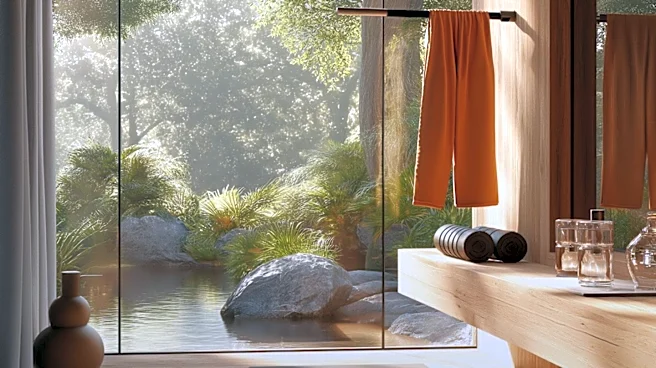
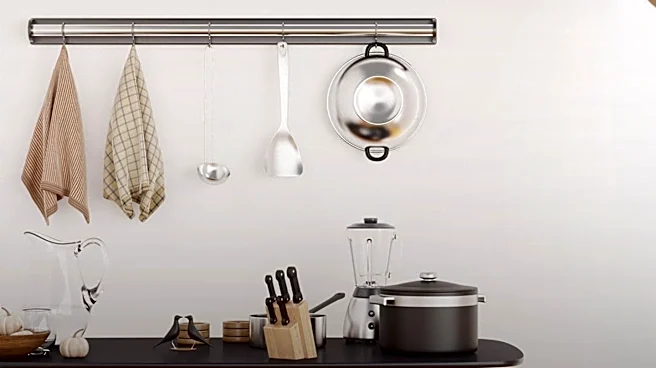
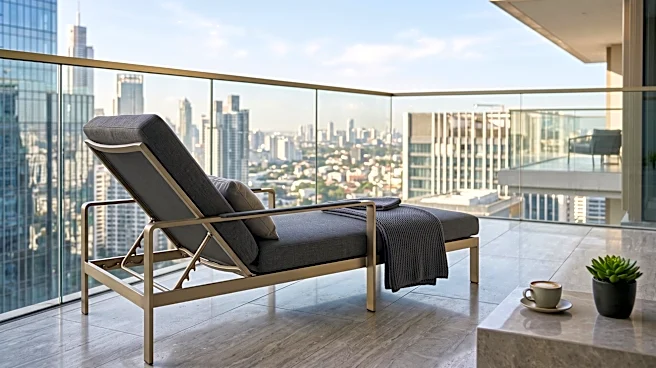
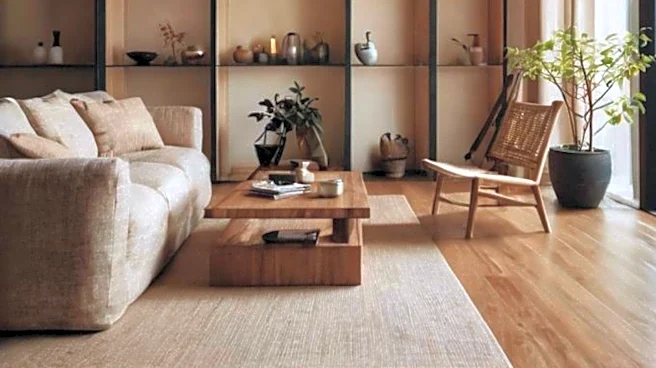
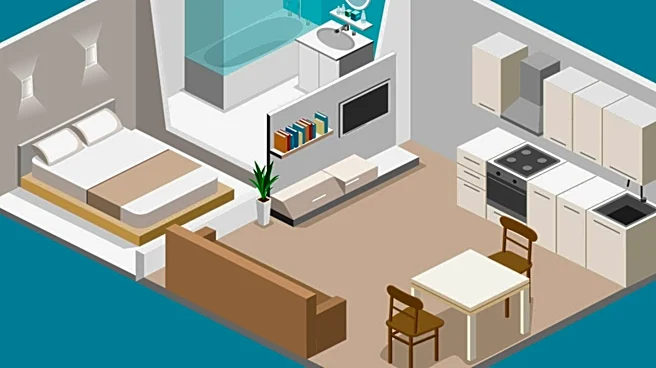
original warehouse structures, integrating these elements into contemporary living spaces. These designs often include state-of-the-art kitchens equipped with energy-efficient, stainless-steel appliances, sophisticated countertops, backsplash tiles, and diverse cabinet finishes. Bathrooms are frequently spa-inspired, featuring subway tiled floors and options for deep soaking tubs. Additionally, many units offer the convenience of in-home washer and dryers, with some even providing private patios or balconies. The emphasis is on creating functional yet aesthetically pleasing small living spaces that maximize both comfort and style, often seen in urban developments that repurpose older buildings.
Why It's Important?
This design approach is significant for the U.S. housing market, particularly in urban centers where space is at a premium and historical buildings are being revitalized. By blending modern amenities with preserved historical architecture, developers can appeal to a broader demographic, including young professionals and individuals seeking unique living environments. The focus on open-concept layouts and high ceilings in smaller units helps to create a sense of spaciousness, counteracting the limitations of a studio apartment. This trend also contributes to sustainable urban development by repurposing existing structures rather than solely relying on new construction. For residents, these designs offer a blend of historical charm and contemporary convenience, potentially enhancing their quality of life in compact living situations. The inclusion of high-end finishes and appliances also suggests a market demand for luxury in smaller footprints.
What's Next?
The continued demand for urban living and efficient use of space suggests that these design principles for studio apartments will likely persist and evolve. Future developments may see further integration of smart home technology and multi-functional furniture solutions to optimize small living areas. As more historical buildings are redeveloped, the preservation of unique architectural elements will remain a key selling point. We might also see an increase in customizable options for residents, allowing them to personalize their compact spaces to a greater extent. The success of these designs could also influence the development of larger apartment units, promoting open layouts and the incorporation of unique features across various housing types. Developers will likely continue to explore innovative ways to make small spaces feel luxurious and practical.
Beyond the Headlines
Beyond the immediate appeal of modern aesthetics and historical charm, this design trend reflects broader societal shifts towards minimalism and efficient living. As urban populations grow and housing costs rise, there's an increasing acceptance and even preference for smaller, well-designed living spaces. The emphasis on preserving historical features also speaks to a growing appreciation for architectural heritage and sustainable practices in urban planning. Ethically, this approach can contribute to community revitalization by breathing new life into old neighborhoods and buildings, fostering a sense of continuity between past and present. Legally, zoning laws and historical preservation guidelines will continue to play a crucial role in shaping how these developments proceed, balancing modernization with the protection of cultural assets. Culturally, these apartments represent a lifestyle choice that values experience and location over sheer square footage.